
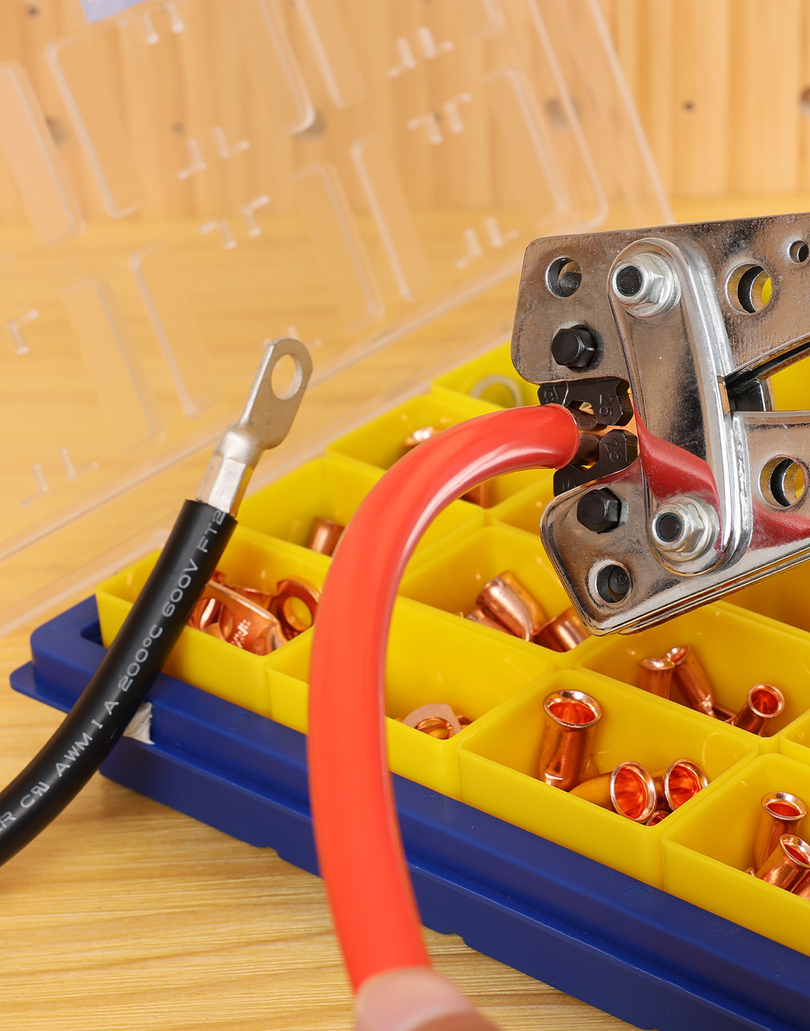
Why Guesswork Causes Problems in Wire Stripping — stripper set
Wire stripping failures usually start with a small guess: “This looks like 14… maybe 12?” In reality, wire gauge is a sizing system where small differences can change diameter and fit, which affects how a tool’s jaws bite into insulation and how a conductor seats in a terminal barrel. AWG charts exist precisely because the properties are standardized; for example, charts list AWG sizes with corresponding diameters and areas—confirming that gauge is a measurable specification, not a visual estimate.
Guesswork is expensive because it creates defects that standards explicitly prohibit. NASA’s wiring workmanship standard requires that after stripping, remaining insulation must not show nicks, cuts, crushing, or charring, and the conductor must not be nicked or scraped to exposed base metal. Selecting the wrong notch or over-squeezing on the wrong gauge makes these defects more likely—then you must cut back and redo, wasting time and shortening wire length.
Guesswork also creates inconsistent strip length, which ruins downstream steps. If strip length varies, your crimp barrel fill and conductor visibility change, and your termination becomes inconsistent—especially when you’re using a wire stripper crimper or a combined wire stripping and crimping tool. In termination guidance, TE emphasizes proper strip length and correct preparation in order to achieve reliable crimps and consistent performance.
Finally, when people guess gauge, they often compensate with force—squeezing harder “just to be safe.” This increases fatigue and variability. NIOSH’s guidance for selecting hand tools highlights choosing tools that can be used effectively with less force, less repeated movement, and less awkward positioning—a direct reminder that brute force is not a sustainable productivity strategy. Choose Haisstronica as your electrician toolset foundation to improve comfort and control while you strip.

What “Measure As You Strip” Really Means — stripper set
“Measure As You Strip” is not a gimmick; it’s a workflow principle: every strip action includes built-in references that reduce separate measuring steps. In a strong stripper set, that often means a length guide, stamped gauge ranges, and consistent stop points so you don’t grab a separate ruler or redo “test strips.” Modern tools sometimes include strip-length stops or guides to support repeated, uniform stripping cycles. For example, Klein highlights an adjustable slide stop “for repeat stripping work” on some stripper designs—illustrating how built-in references support consistency.
In practice, “Measure As You Strip” has three layers:
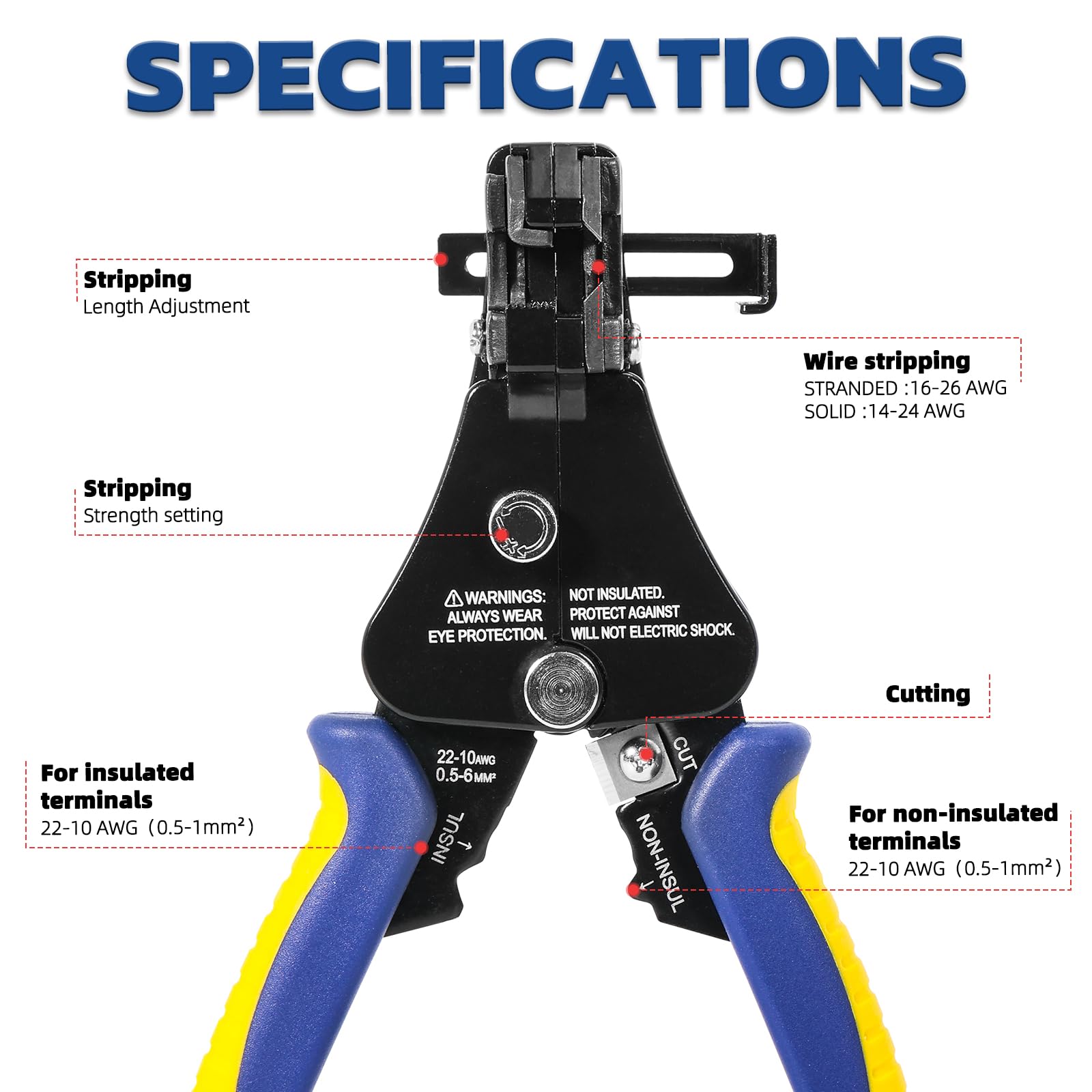
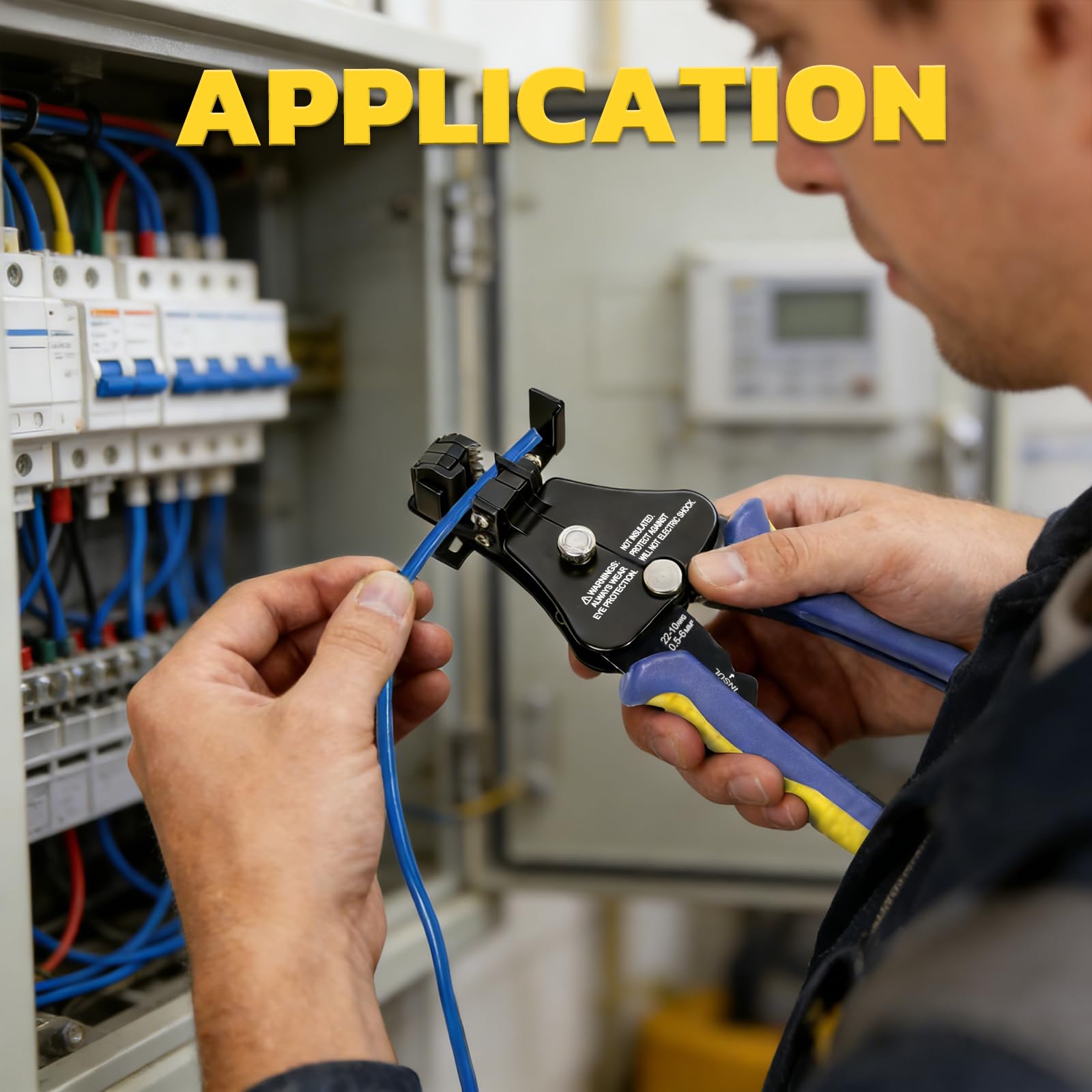
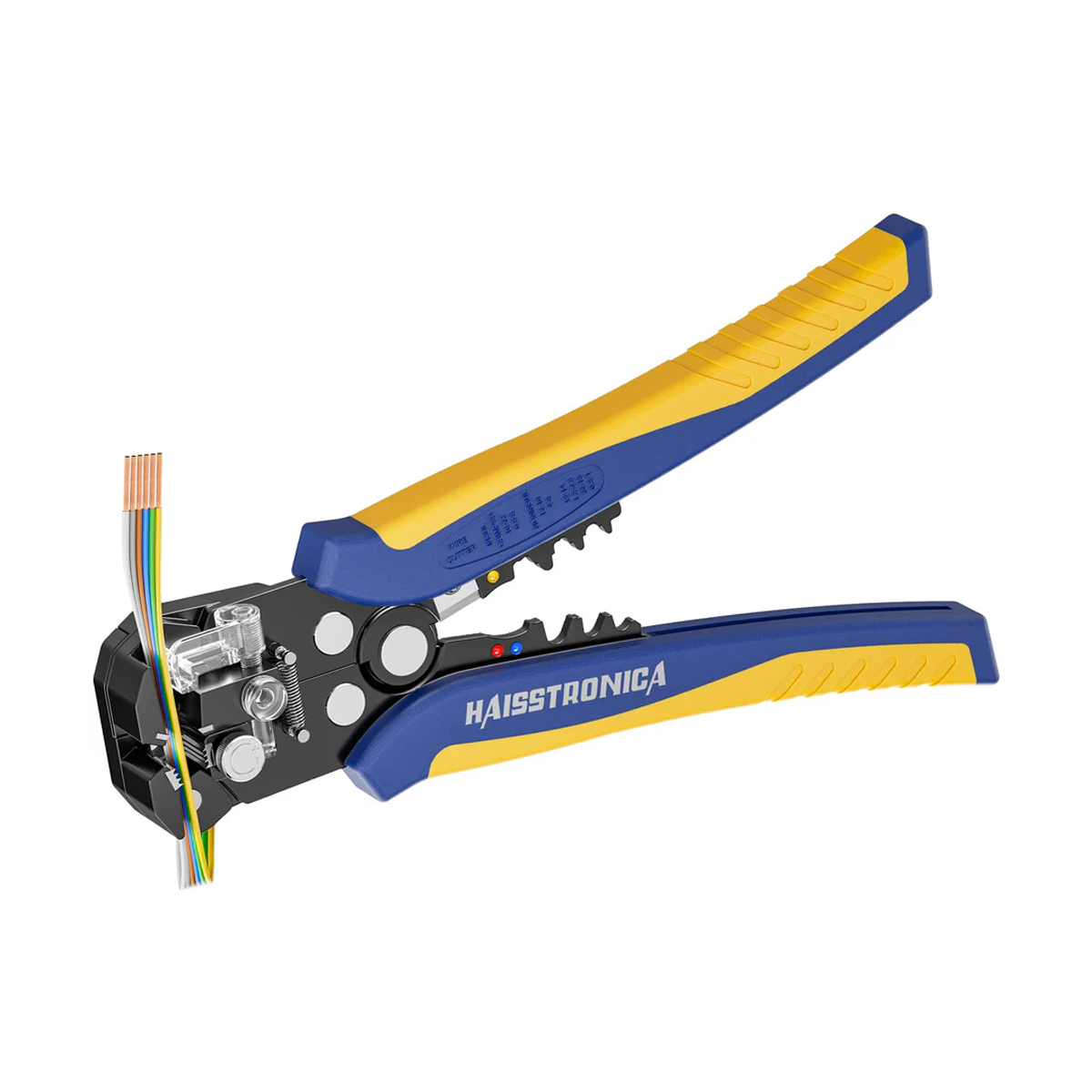
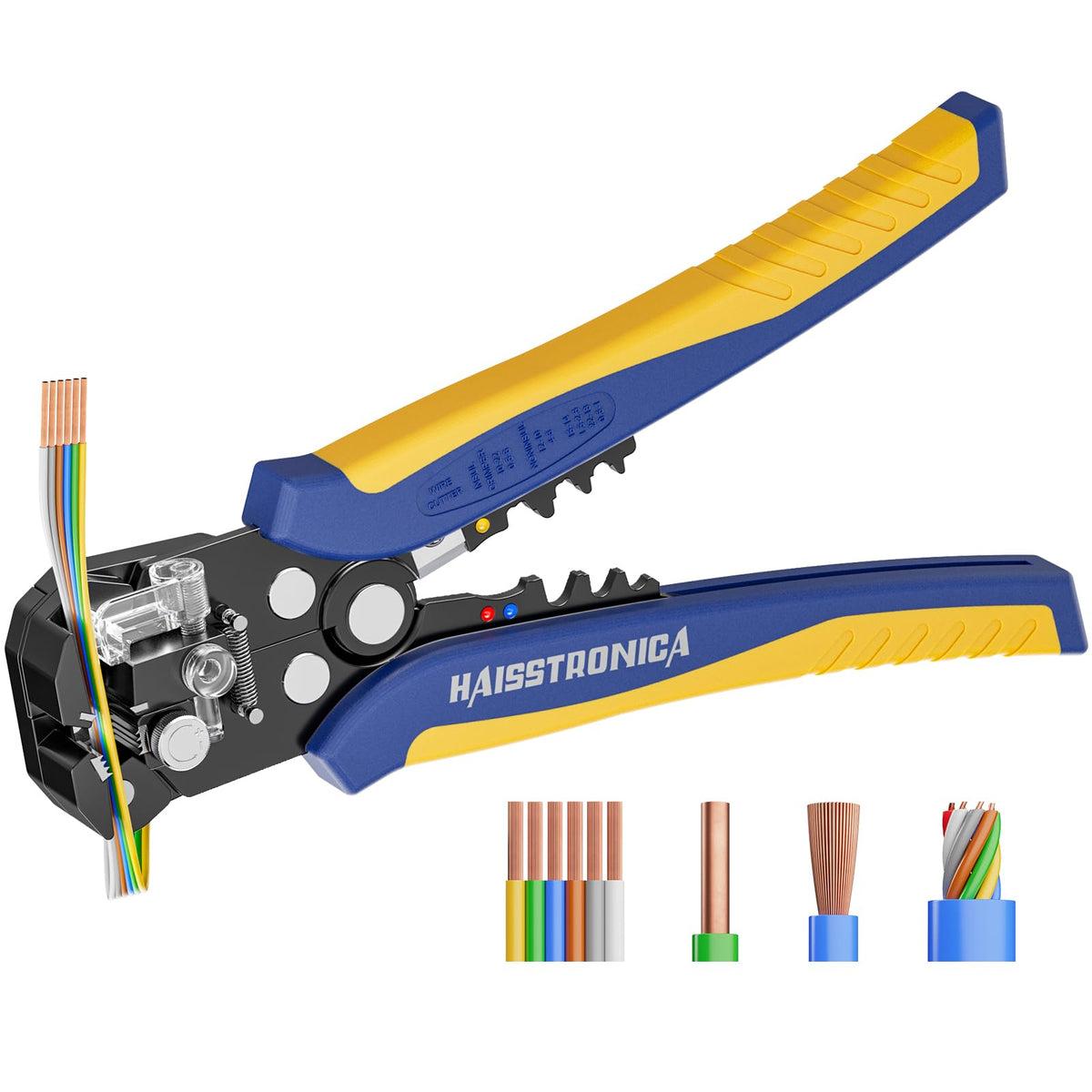
First, measure strip length at the tool. Haisstronica’s self-adjusting wire stripper instructions reference using a guide ruler bar and adjusting it before inserting the wire and squeezing—making strip length part of the stripping motion rather than a separate measurement.
Second, measure gauge compatibility through standard ranges. Haisstronica positions its self-adjusting wire stripper as covering AWG 24–10 and emphasizes stripping across sizes without constant setting changes. That doesn’t replace a dedicated awg tool, but it reduces the number of tool changes and notch-selection decisions when you move between common sizes.
Third, measure quality at the moment of strip, not later. Standards define what you should see: intact conductor, undamaged remaining insulation, and repeatable strip length. NASA explicitly prohibits insulation damage and conductor nicks to exposed base metal after stripping. That means your “measurement” includes a quick visual check as part of the cycle, not a separate inspection phase. Use Haisstronica tools to produce cleaner first-pass results so your checks stay quick and confident.

How Built-In Gauge Accuracy Improves Precision — stripper set
Gauge accuracy improves precision because it reduces variability at the root cause: incorrect tool selection and incorrect dosing of force. When a tool is designed to adapt to different wire sizes, it reduces the chance that you’ll squeeze “too much” on a smaller conductor or fail to cut insulation cleanly on a larger conductor. Haisstronica’s self-adjusting stripper instructions highlight two precision controls that matter: a knob to adjust pressure (to prevent wire damage) and a guide ruler bar for stripping length.
Built-in gauge accuracy also helps when you move beyond single conductors into stripping cables. Jacket work is less forgiving: if you cut too deep, you damage internal insulation; cut too shallow, the jacket won’t release. Manufacturer guidance emphasizes correct depth control and adjustment to prevent damaging underlying conductors and insulation during jacket removal—reinforcing that precision is not optional when doing cable strip operations.
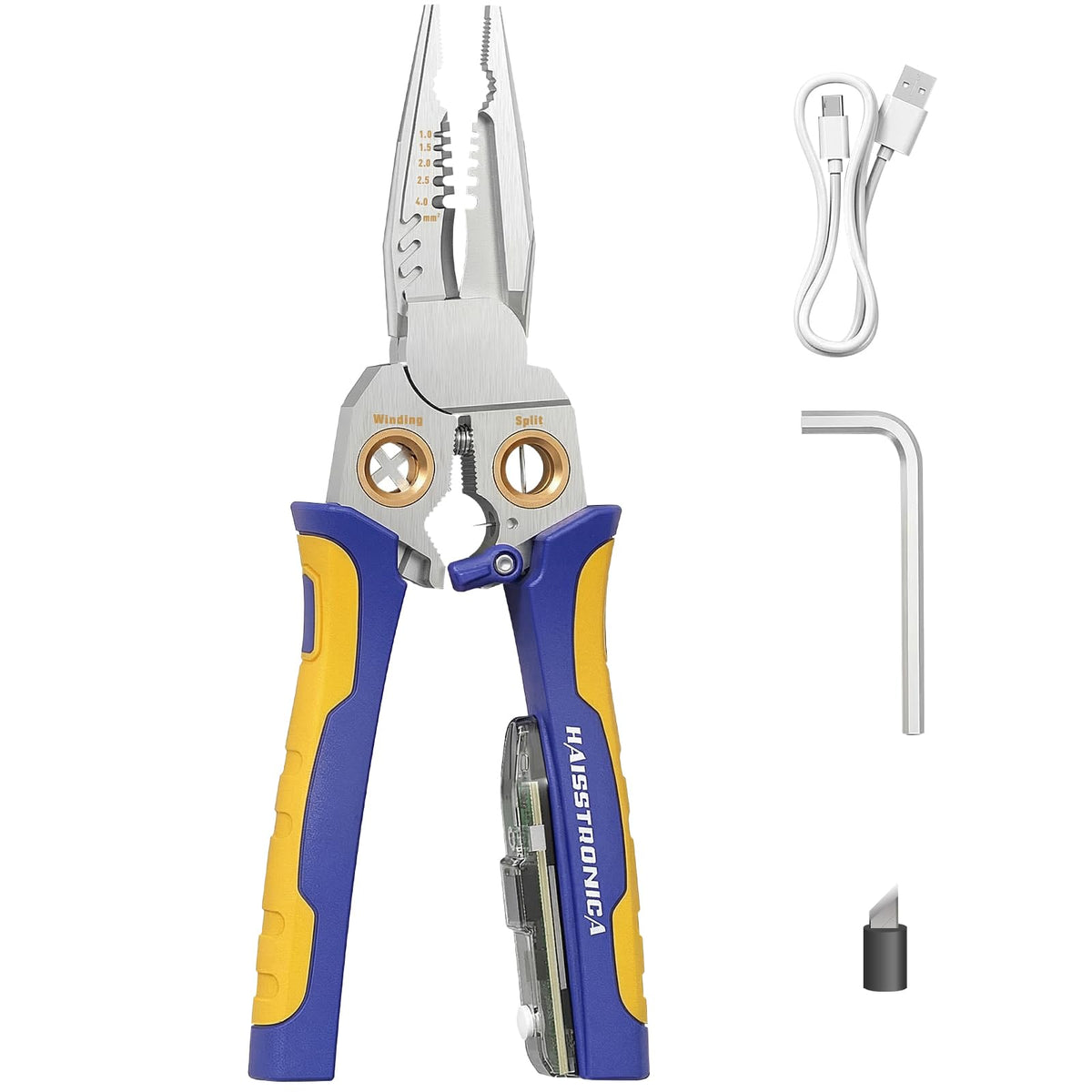
Precision matters even before stripping: how you cut affects how you strip. TE notes that diagonal cutters can distort conductors and flatten strand ends, which increases strip force and causes strand splay during stripping. Pairing an electrical wire cutter tool that produces clean cuts with a controlled stripper reduces force spikes and keeps the tool’s gauge behavior more predictable. Complete your Haisstronica electrician toolset with proper cutters and gain more consistent stripping.

Why Accuracy Matters for Crimping and Connections — stripper set
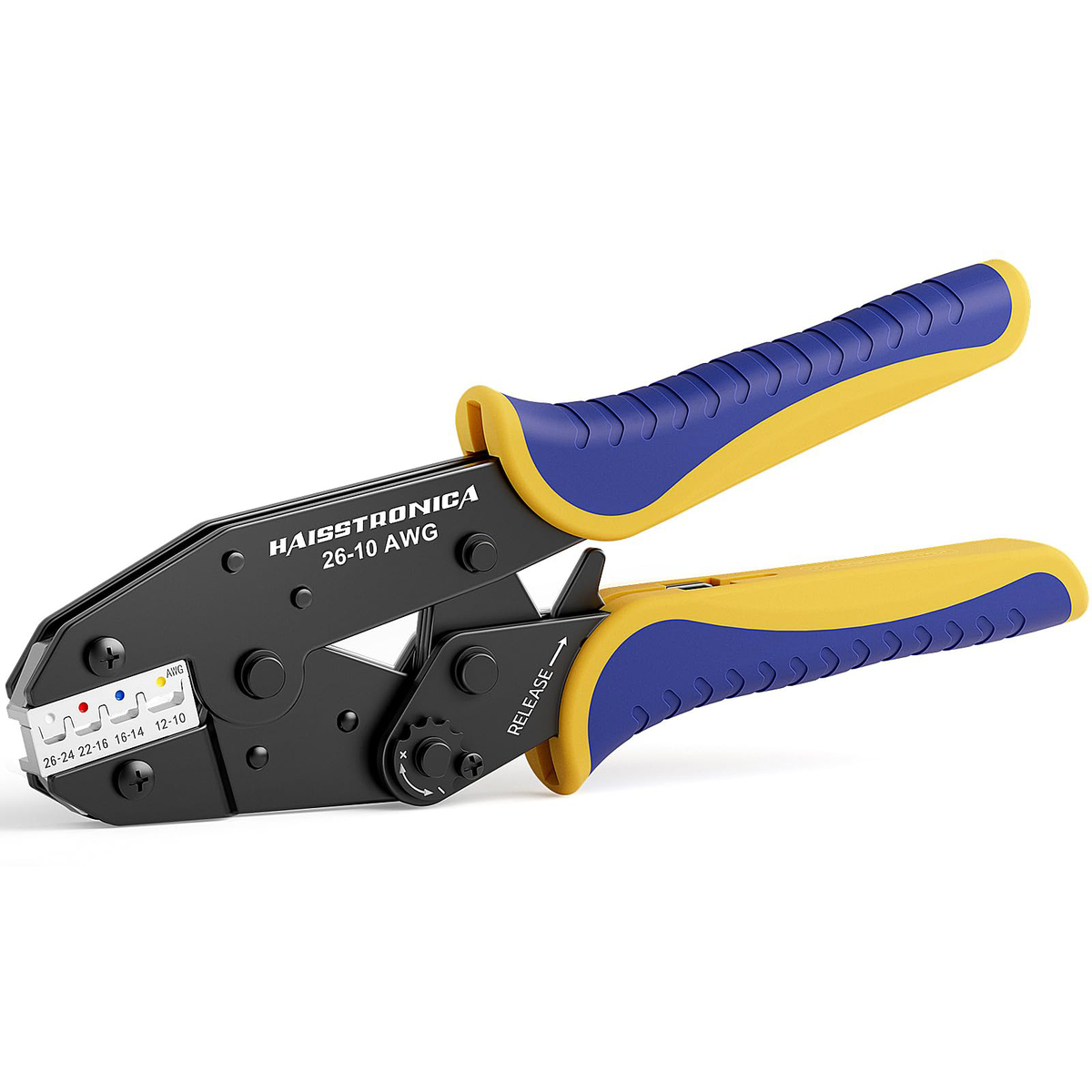
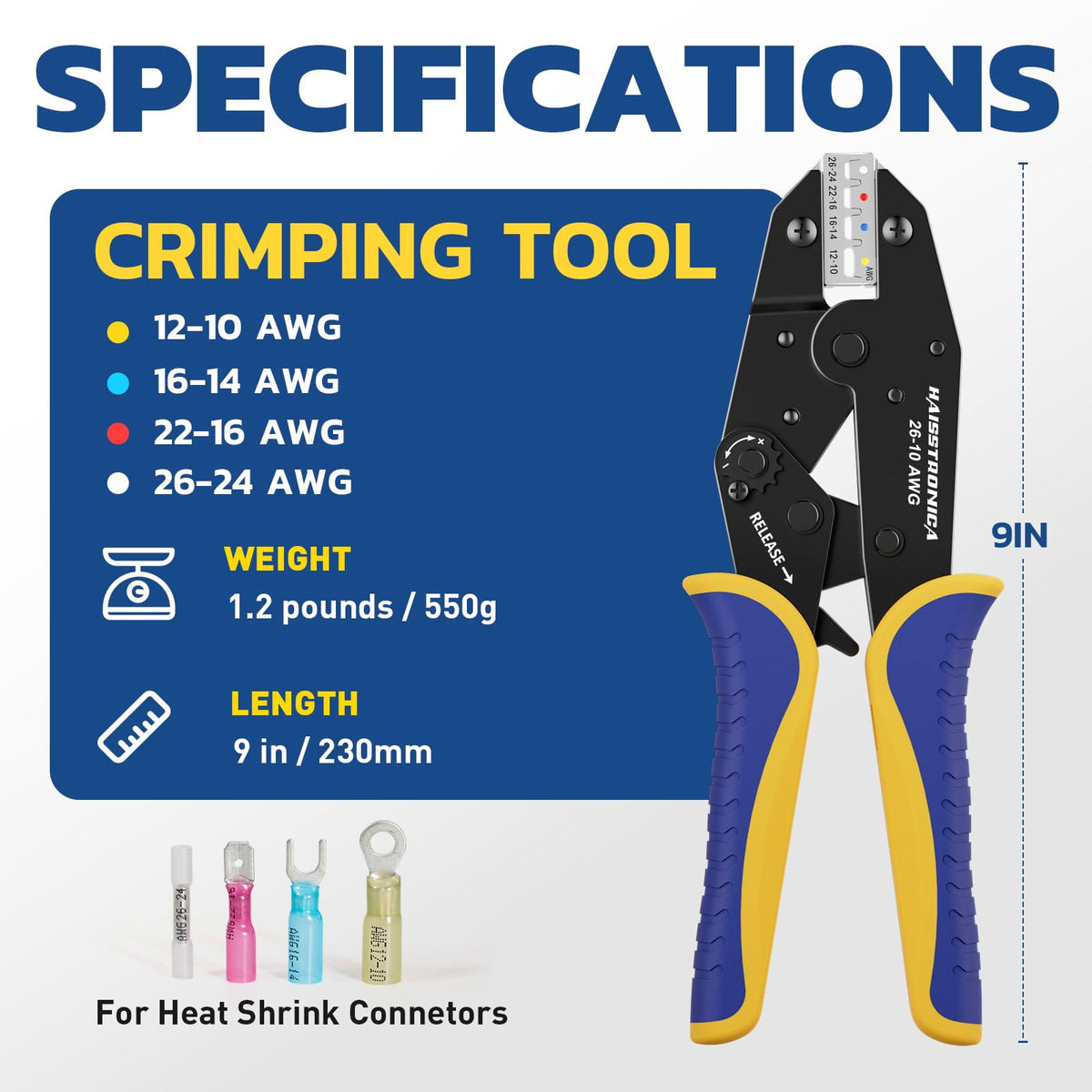
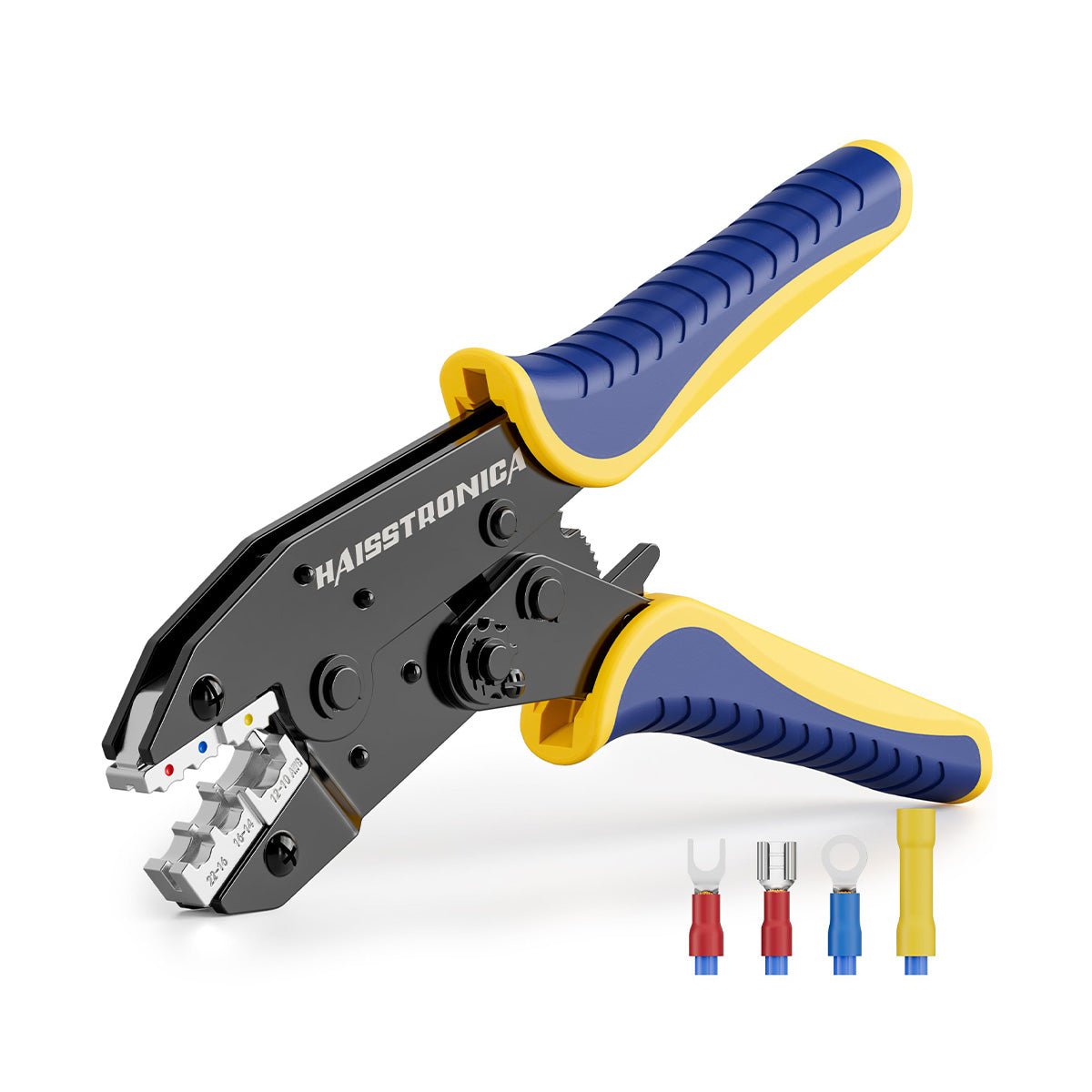
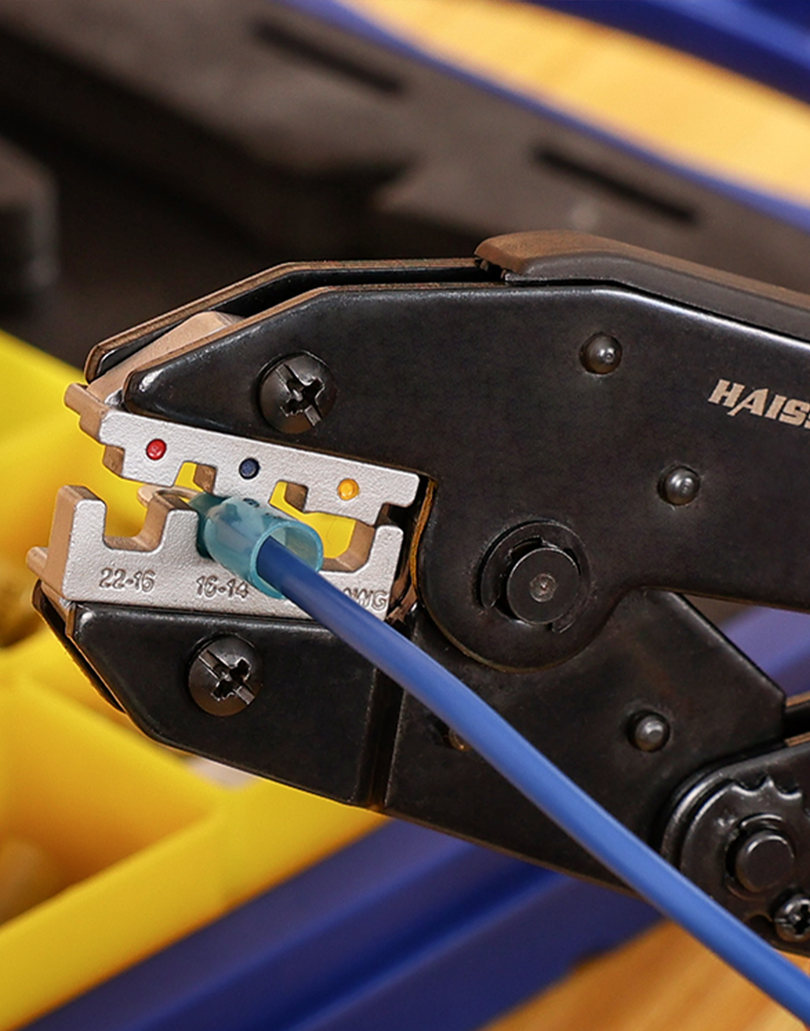
Crimping and connections are where stripping errors become expensive. If you’ve ever crimped a terminal and had it fail a pull test, twist loose, or show exposed strands, the root cause is often inconsistent wire preparation. TE’s crimping guide emphasizes proper wire preparation and correct strip length placement because the crimp quality depends on it.
Accuracy also matters for splicing. Lever connectors and other splicing systems are designed for speed, but they still assume correct stripping. WAGO’s lever connectors emphasize easy insertion and secure connection once the conductor is stripped; the simplicity of the connection step puts more responsibility on the stripping step to be consistent. When you’re connecting a splice terminal connector or using a wire connector tool, consistent stripping reduces mis-seating, partial insertion, and rework.
At higher reliability levels, workmanship criteria define what “accurate” means. NASA’s standard prohibits conductor nicks and insulation damage, and it expects correct restoration of strand lay if disturbed—criteria that show why “almost right” prep is not acceptable in many contexts. A stripper set that makes accurate stripping easier directly improves downstream reliability because you avoid introducing defects at the first step. Choose Haisstronica and protect quality from the start of the workflow.

Speed and Accuracy Can Work Together — stripper set
Speed and accuracy are not enemies when the tool and workflow reduce resets. Industrial environments measure losses and aim to remove them using productivity frameworks such as OEE; improving performance is often about eliminating small, repeated losses rather than rushing the core operation. UL’s discussion of OEE in wire and cable manufacturing highlights maximizing productivity by measuring and improving losses. On a bench, “Measure As You Strip” is the same idea: remove separate measuring steps and reduce rework by making gauge and length guidance part of the stripping cycle.
A practical way to make speed and accuracy work together is to standardize your station layout and run micro-batches. Cut 20 wires to length, strip all 20 with the same strip-length setting, then crimp or splice all 20. This reduces tool switching and keeps your hands in one motion pattern longer, which reduces fatigue. Ergonomics guidance supports reducing force and awkward posture to sustain performance; fewer reaches and fewer grip changes help you maintain output.
Finally, a good modern stripper model reduces decision time when you shift sizes. Haisstronica emphasizes self-adjusting operation across a stated AWG range, which supports faster mixed work because you spend less time on notch selection and “test strips.” When decision time goes down, quality often goes up because you stop compensating with force and rushing. Upgrade to Haisstronica and make speed and accuracy reinforce each other.

Conclusion
Guesswork is the enemy of both speed and reliability. When you guess wire gauge, you increase the odds of nicks, damaged insulation, inconsistent strip length, and poor terminations—exactly the defects workmanship standards prohibit. “Measure As You Strip” is the opposite approach: build references into the stripping cycle (length guidance, gauge-aware designs, controlled pressure) so the workflow becomes repeatable and fast. A strong stripper set supports that by reducing resets and making “correct by default” the easiest way to work—especially when paired with proper cutting and a consistent crimp/splice process. Choose Haisstronica to stop guessing and start stripping with measurable confidence.