

List projects & AWG
Measure insulation O.D.
Check shrink & adhesive
Inspect solder quality
Calculate color counts
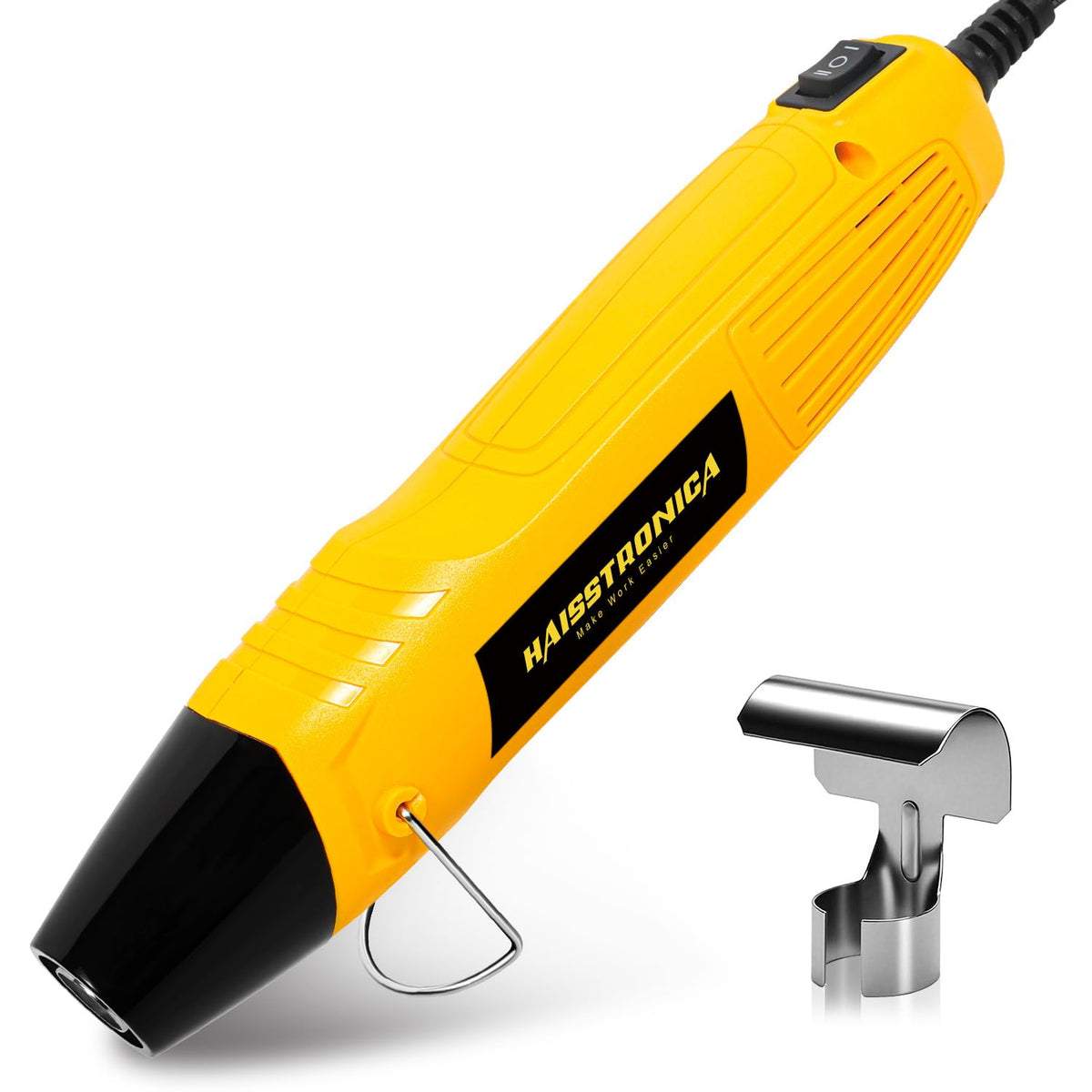
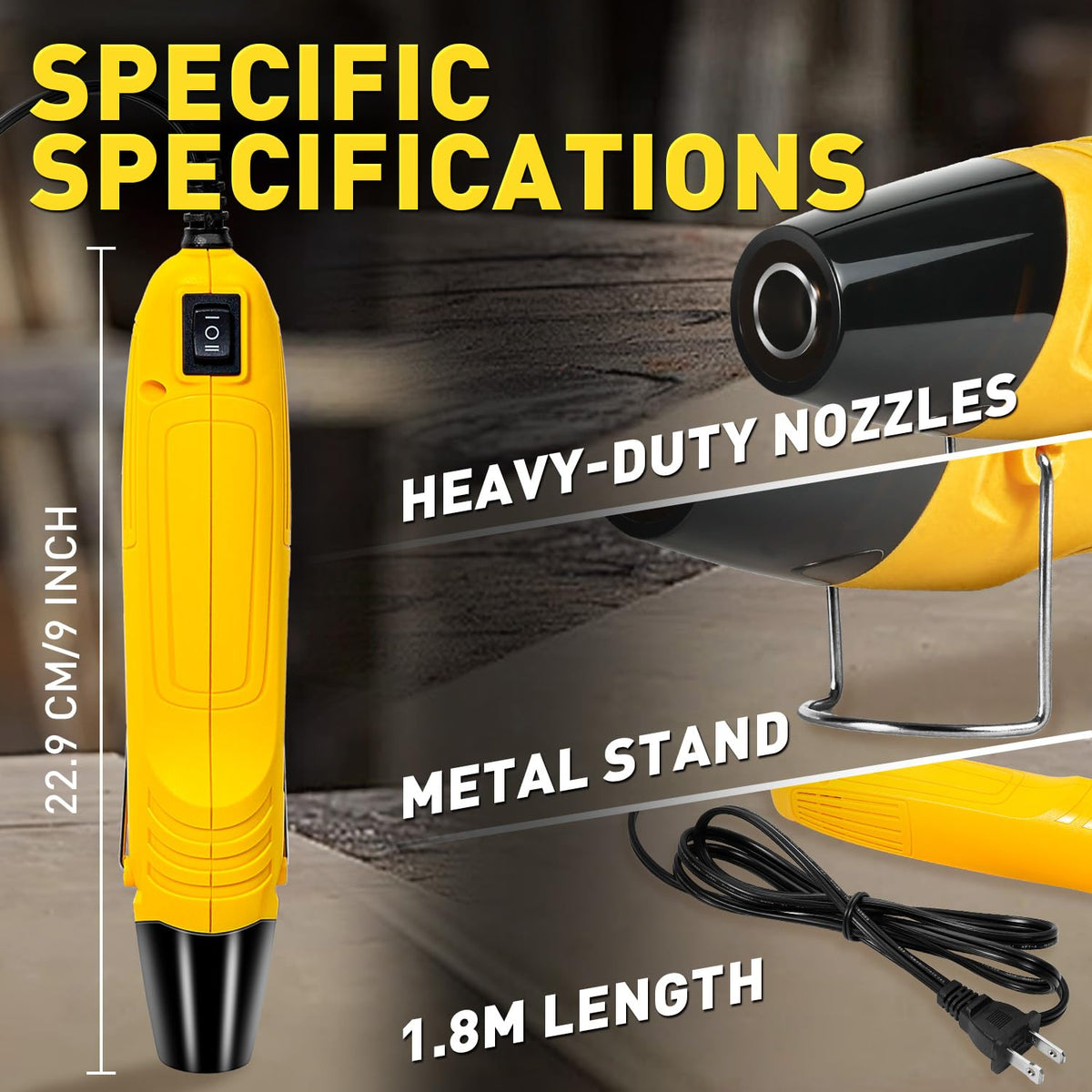
Choose kit + heat gun
Start here: the buyer decision table
Use this table before comparing piece counts. The best kit is the one that covers your recurring wire sizes and working environment without leaving you short on the color you use most.
| Your workload | Best starting point | Why | Shop |
|---|---|---|---|
| One or two repairs | Smaller mixed kit | Low commitment, several common gauges | Compare kits → |
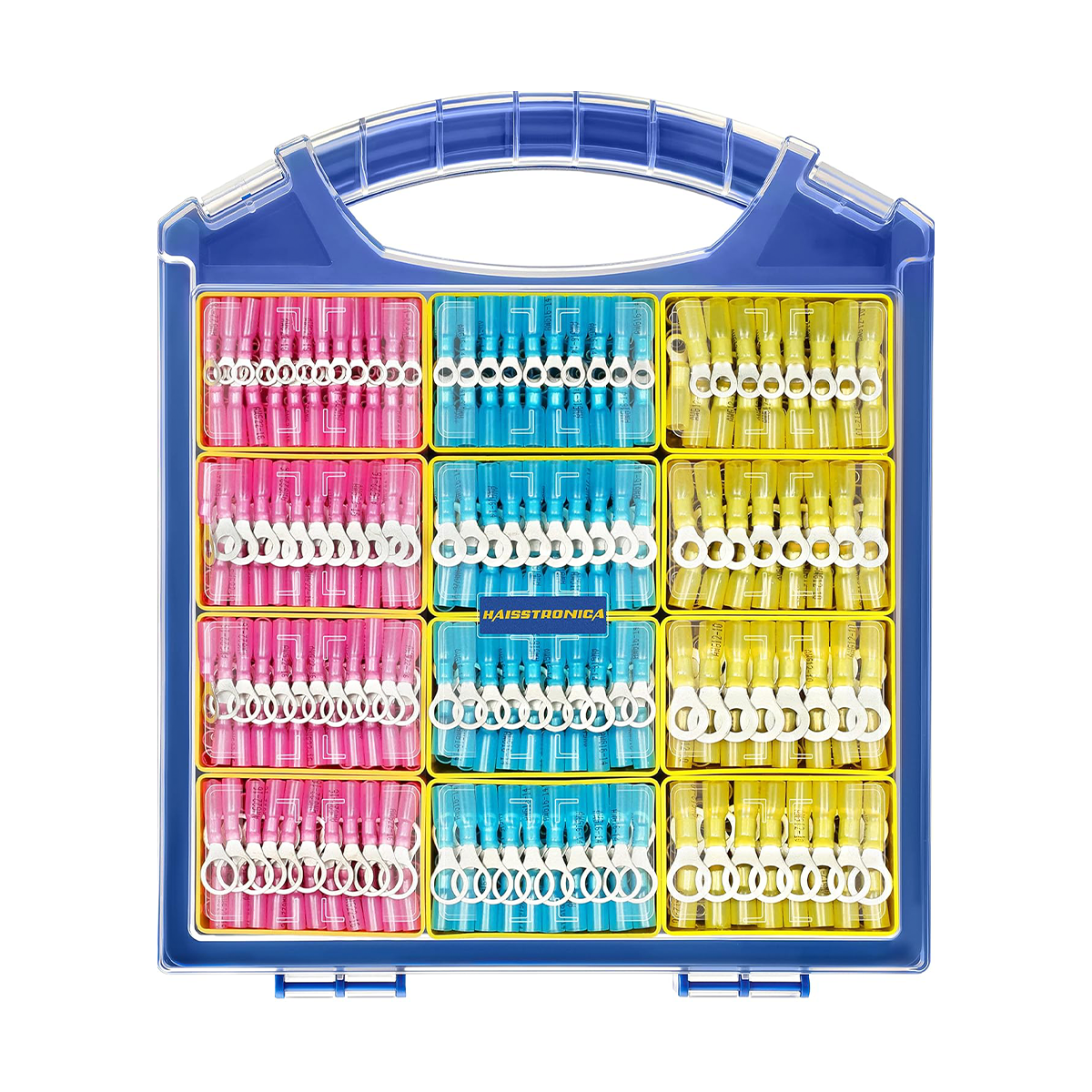
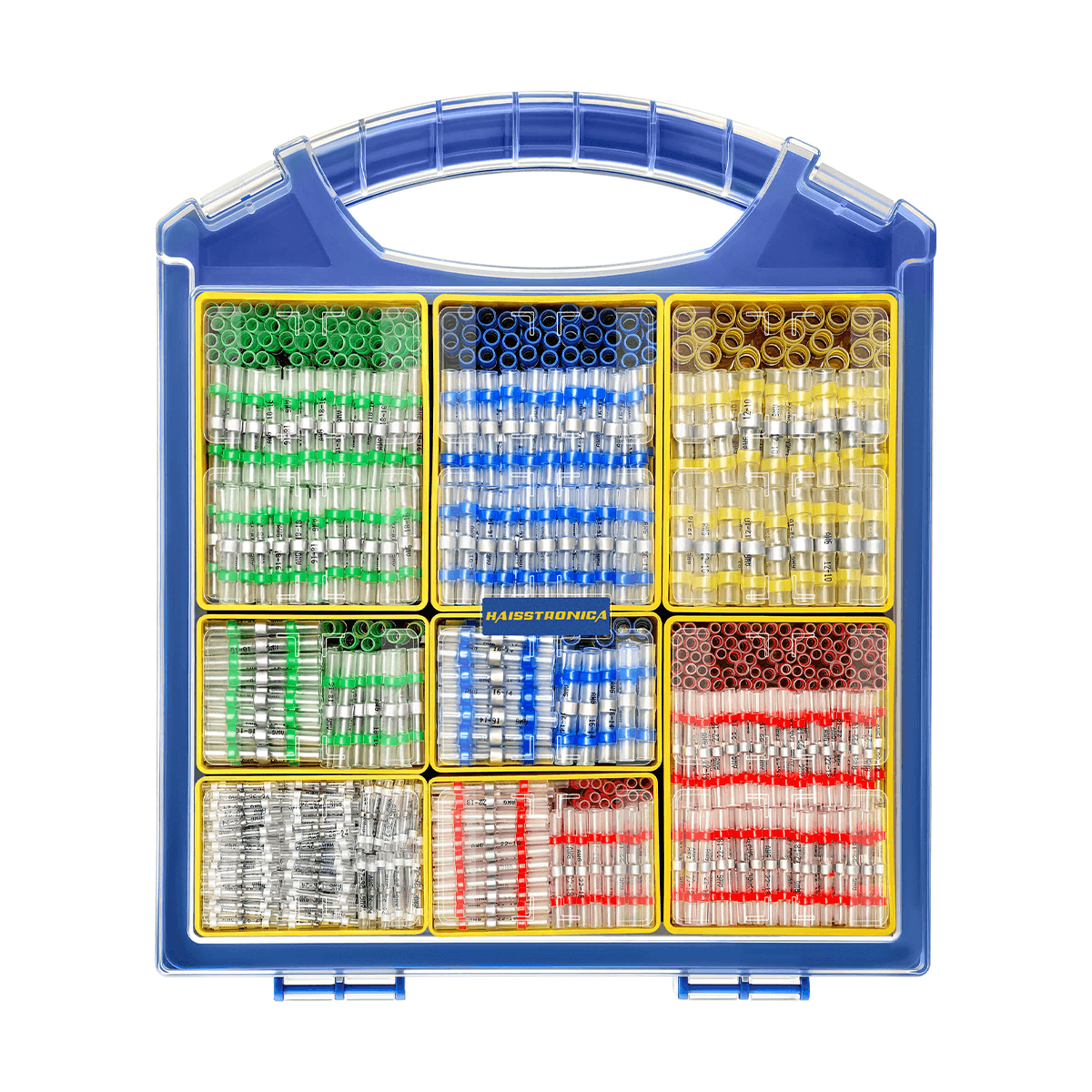
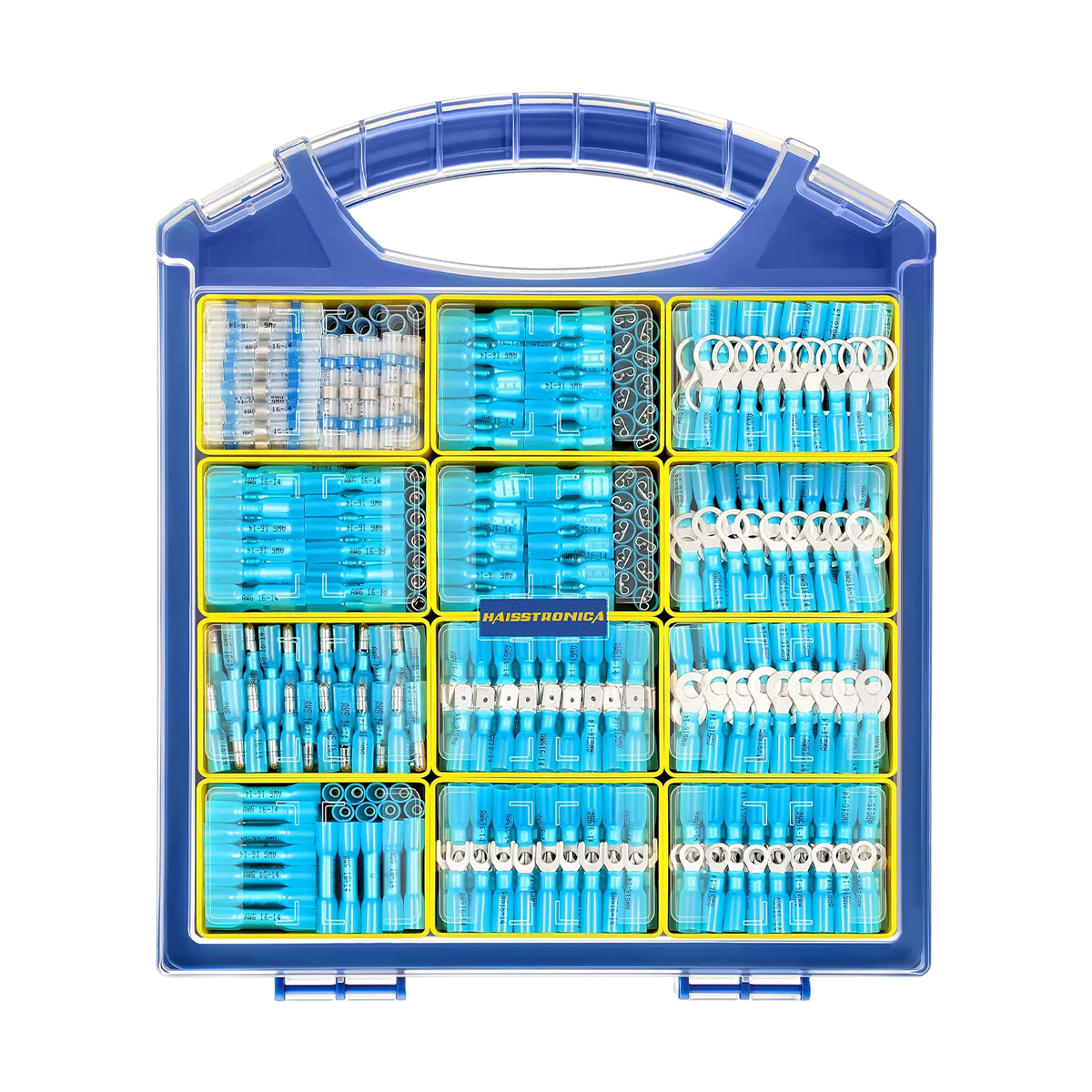
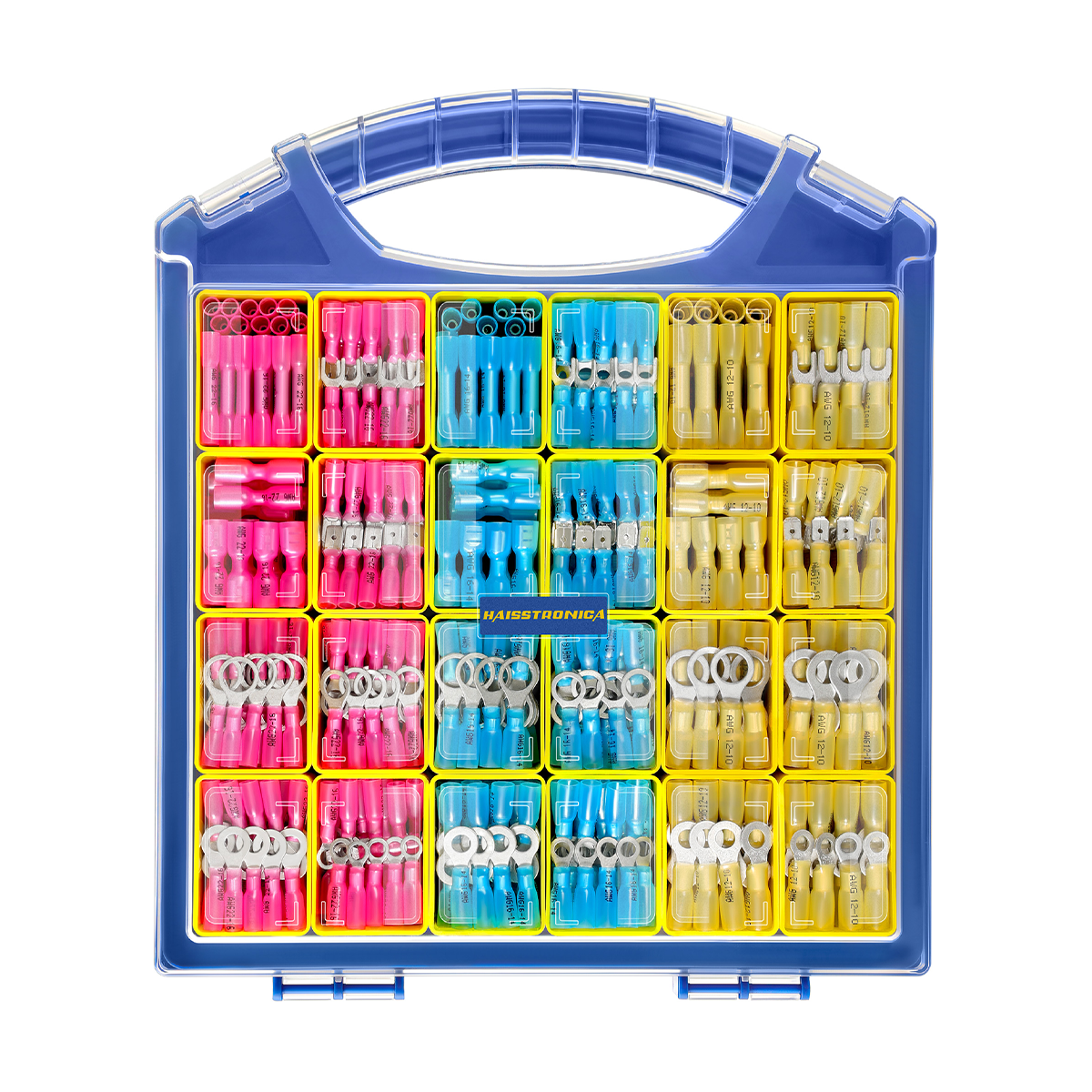
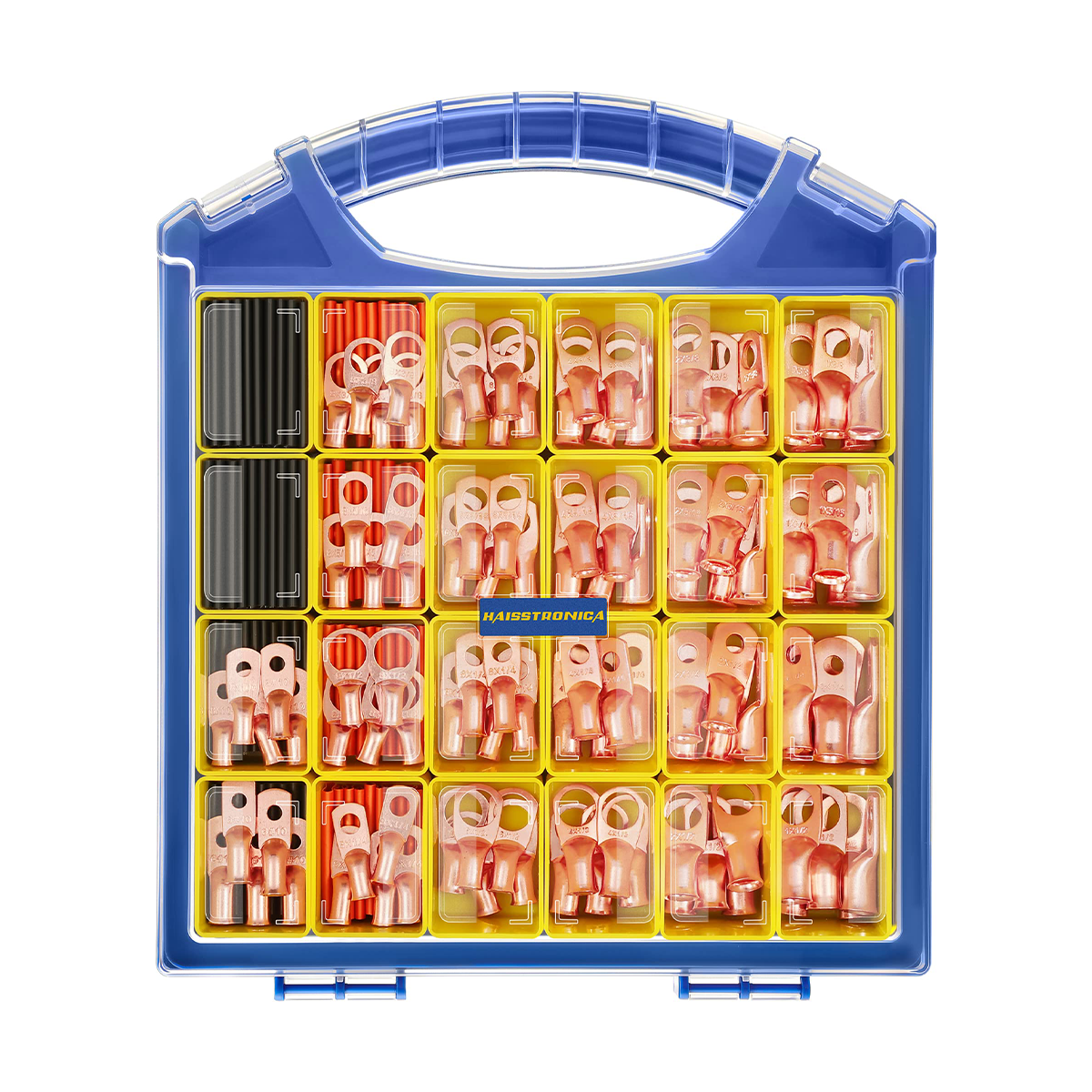
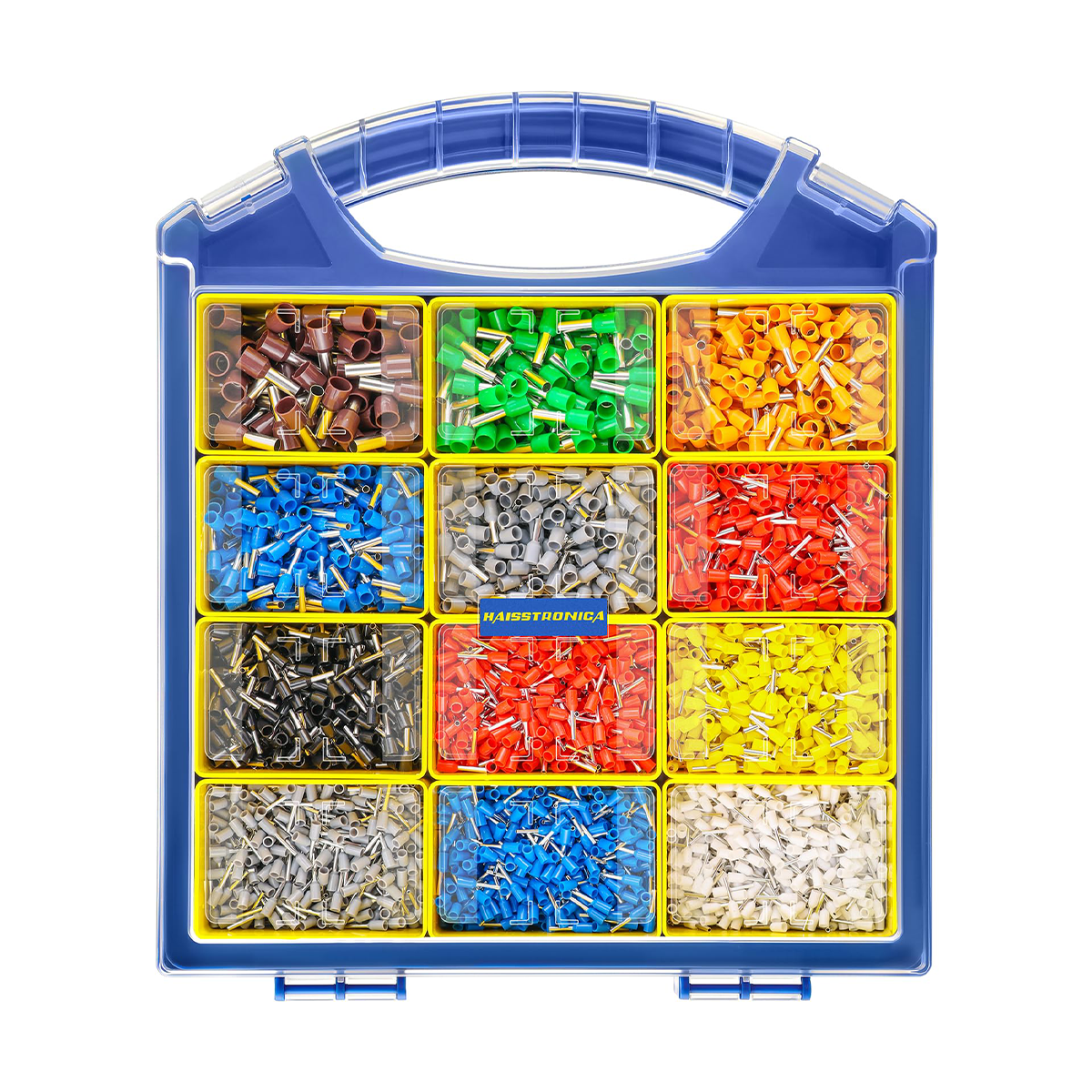
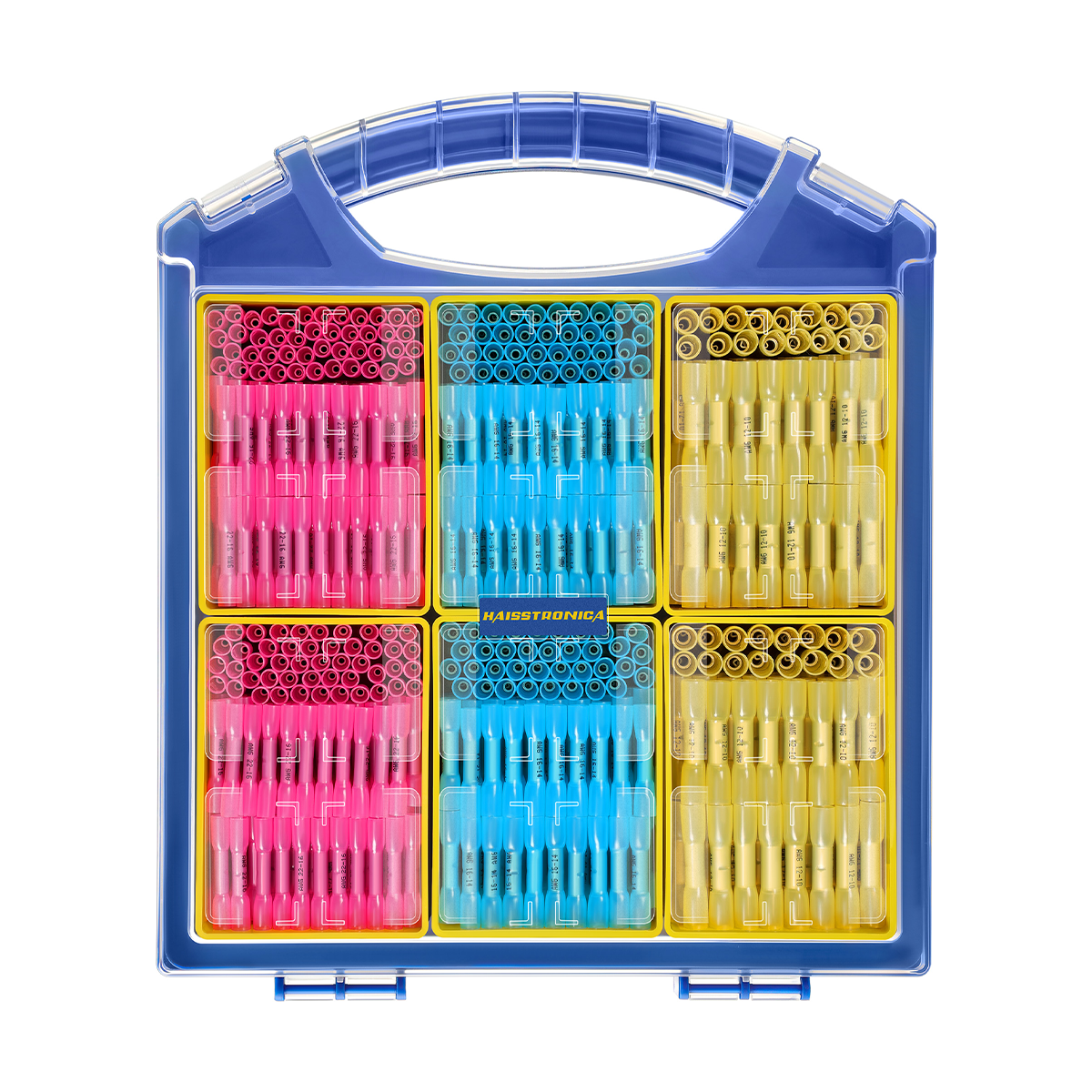
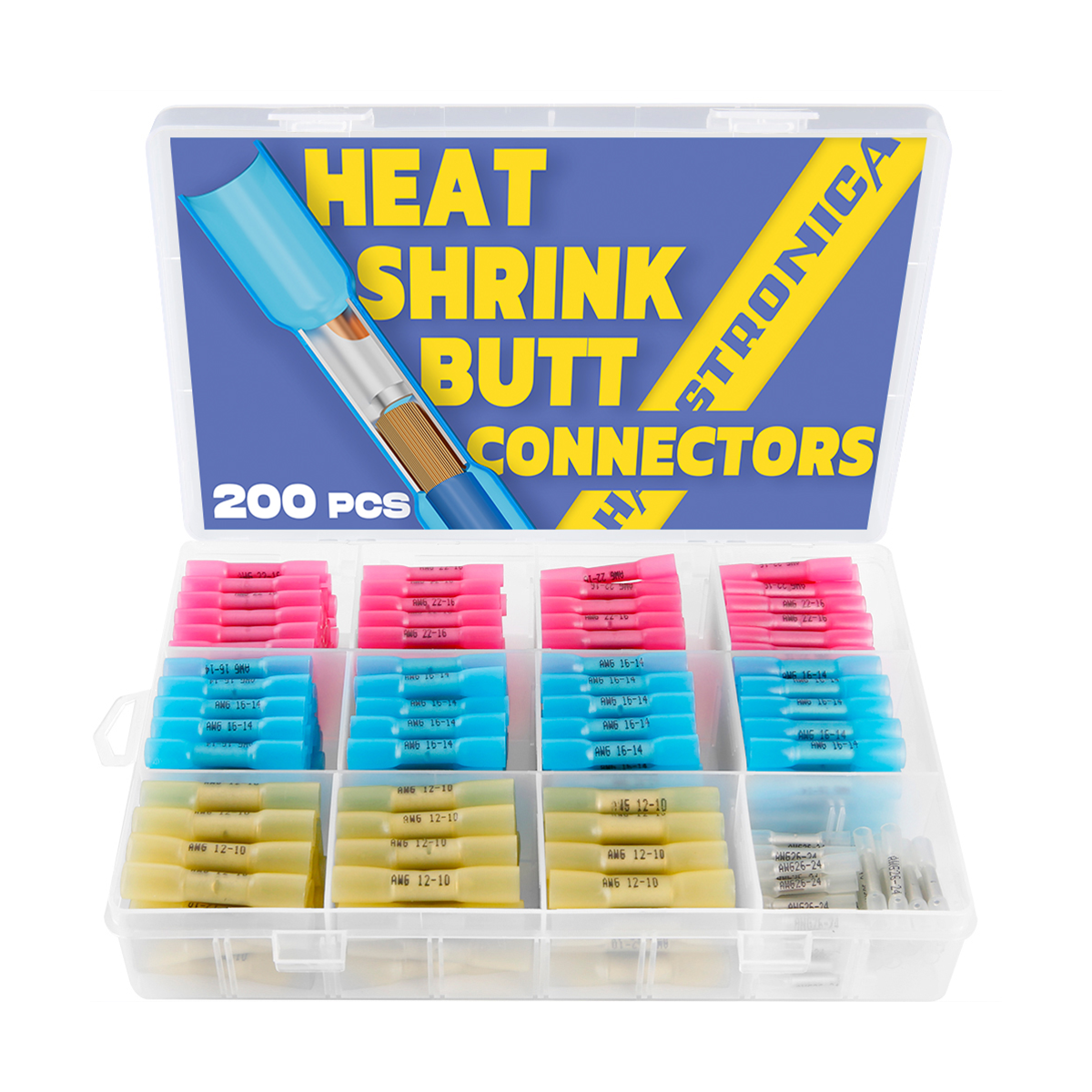
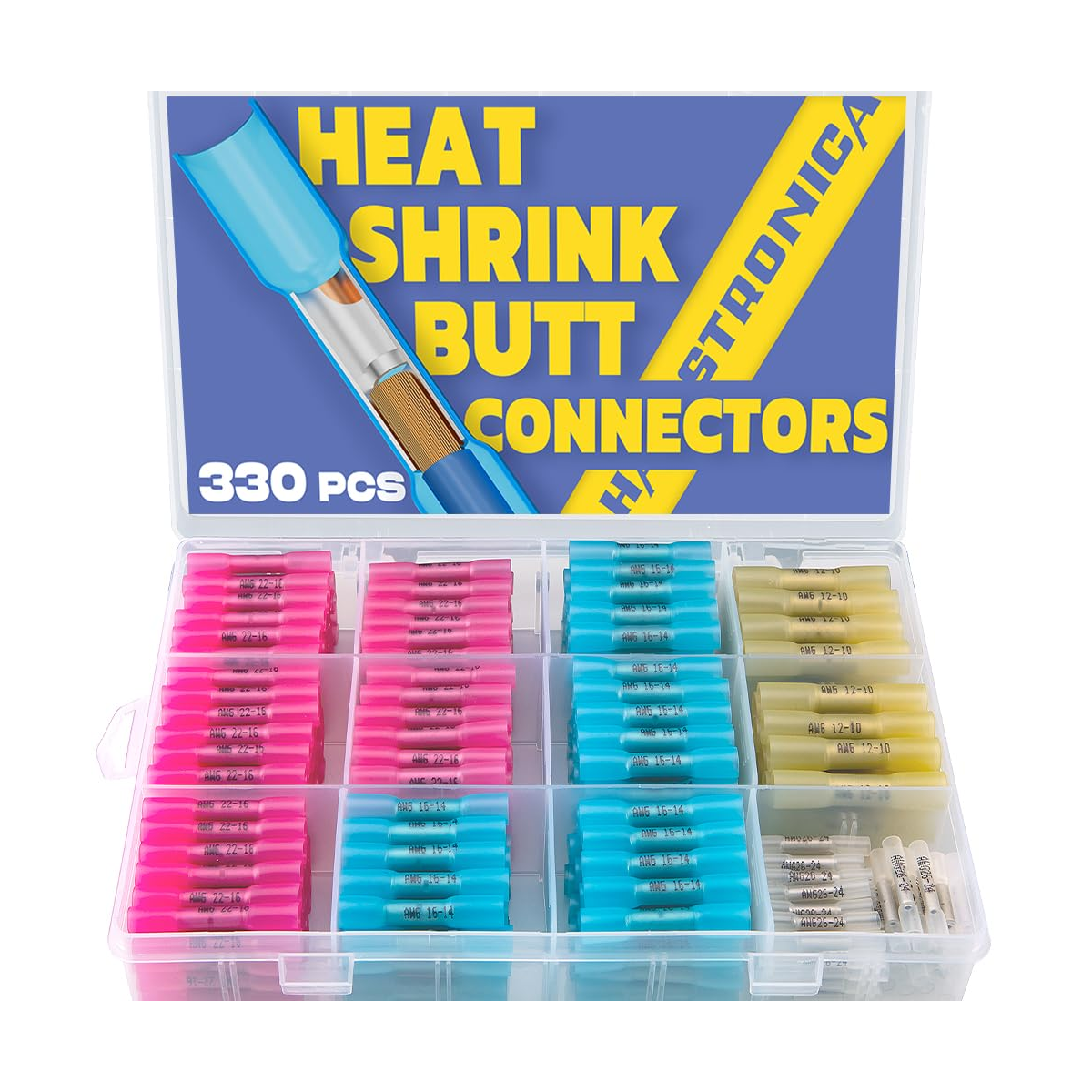
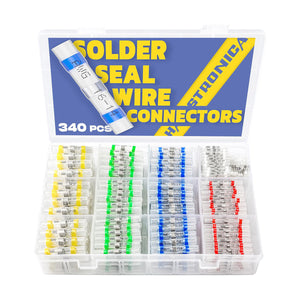
| Automotive, marine, trailer service | Premium mixed-gauge organizer | Fast color selection and field-ready storage | View 340PCS kit → |
| Repeated work in one gauge | Single-color bulk pack | Lower sorting time and predictable replenishment | Choose by AWG ↓ |
| No controlled heat gun | All-in-one heat-gun set | One matched purchase for prep, heating and sealing | View all-in-one set → |
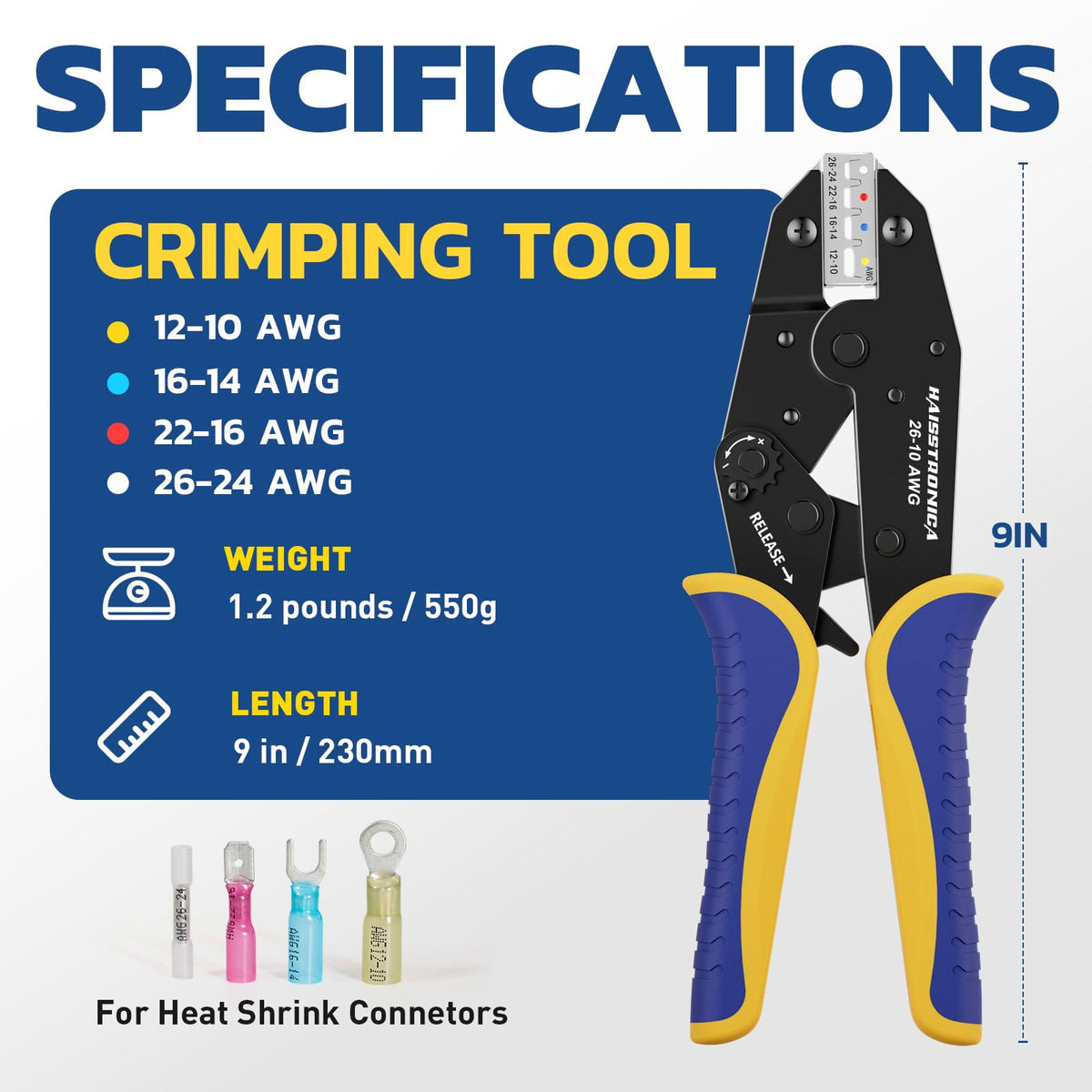
1. Match AWG, color and insulation O.D.
Read the conductor gauge first, then measure the outside diameter of the insulation. Color is a shortcut—not a substitute for the range printed on the sleeve or product page. Dry-fit one connector before committing to a bulk pack.
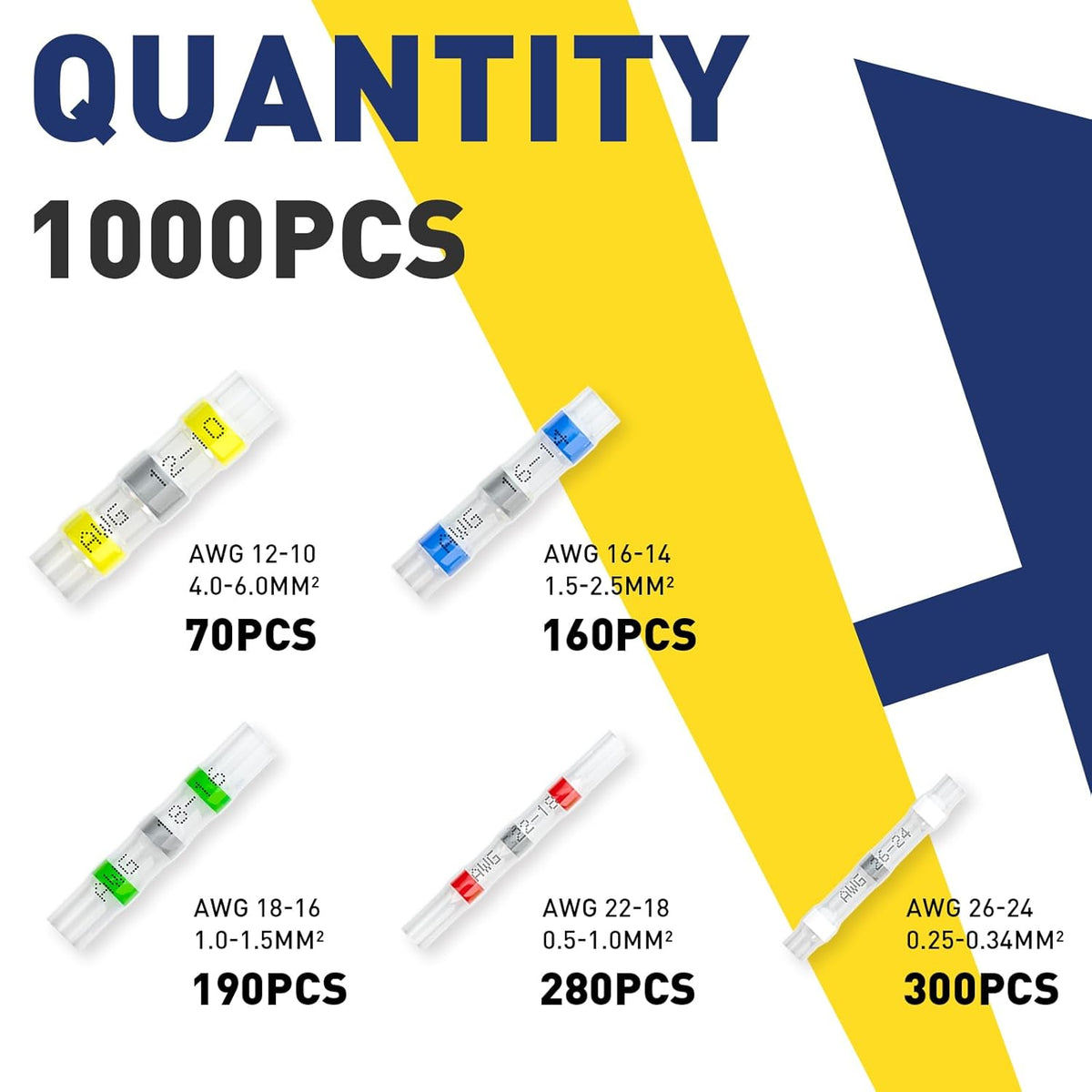
| Typical color | Wire range | Buying use | Direct option |
|---|---|---|---|
| White | AWG 26–24 | Fine signal and electronics leads | Shop white → |
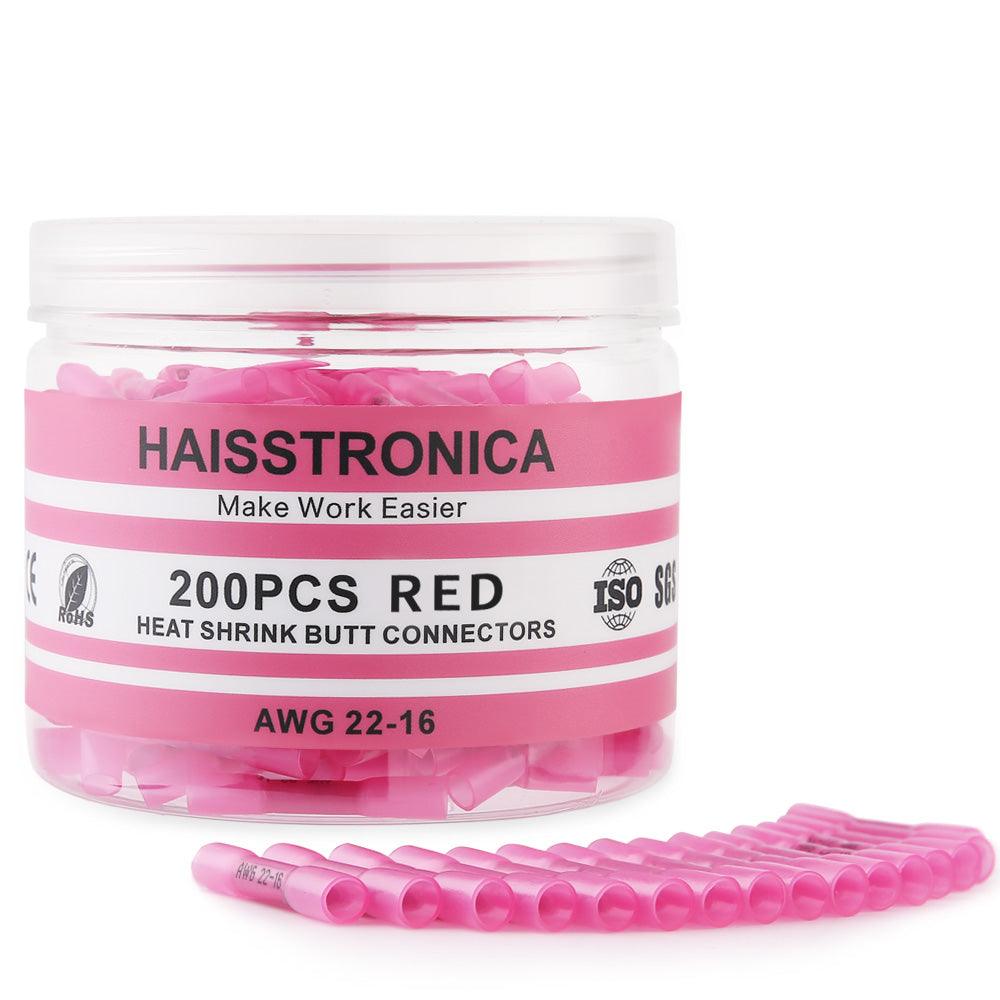
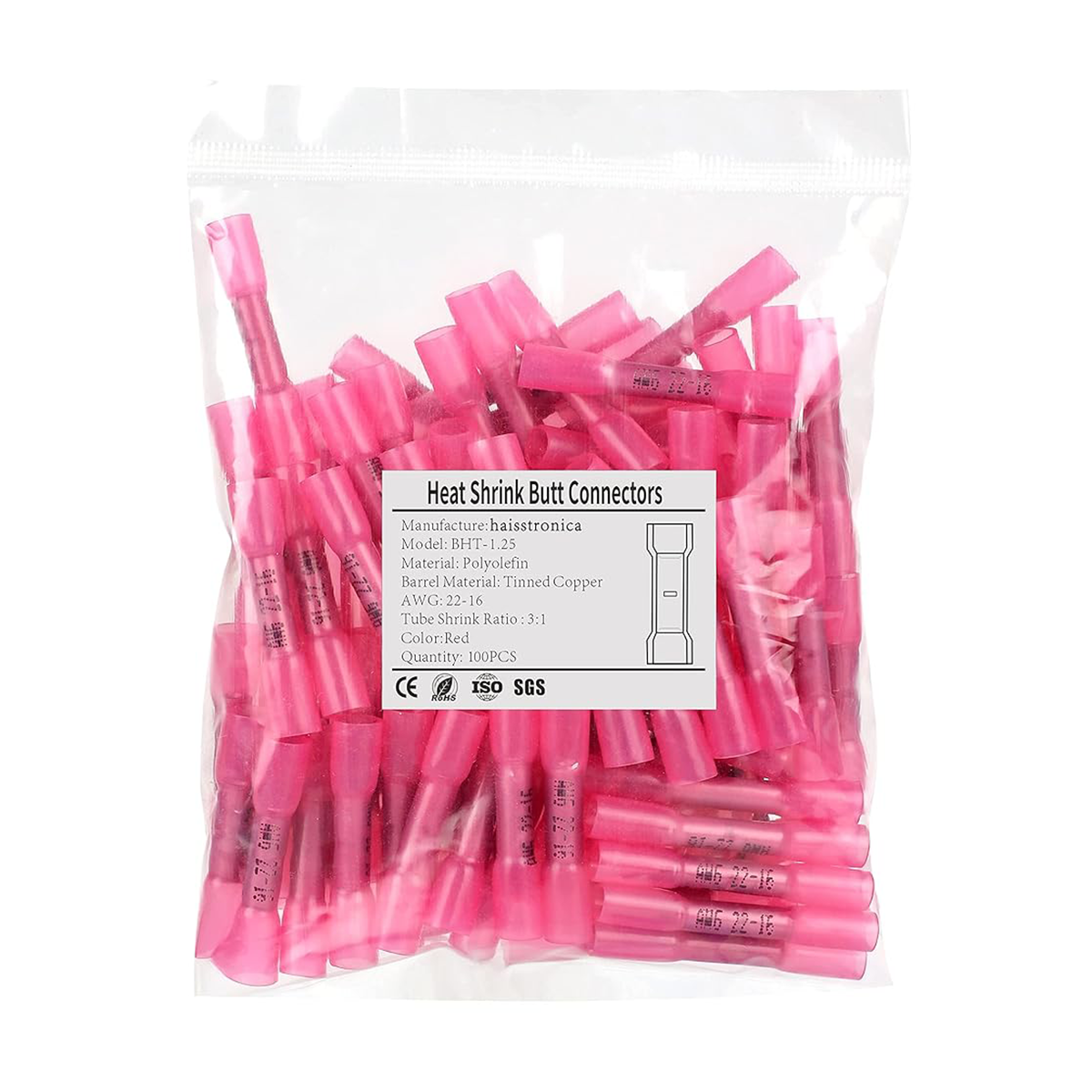
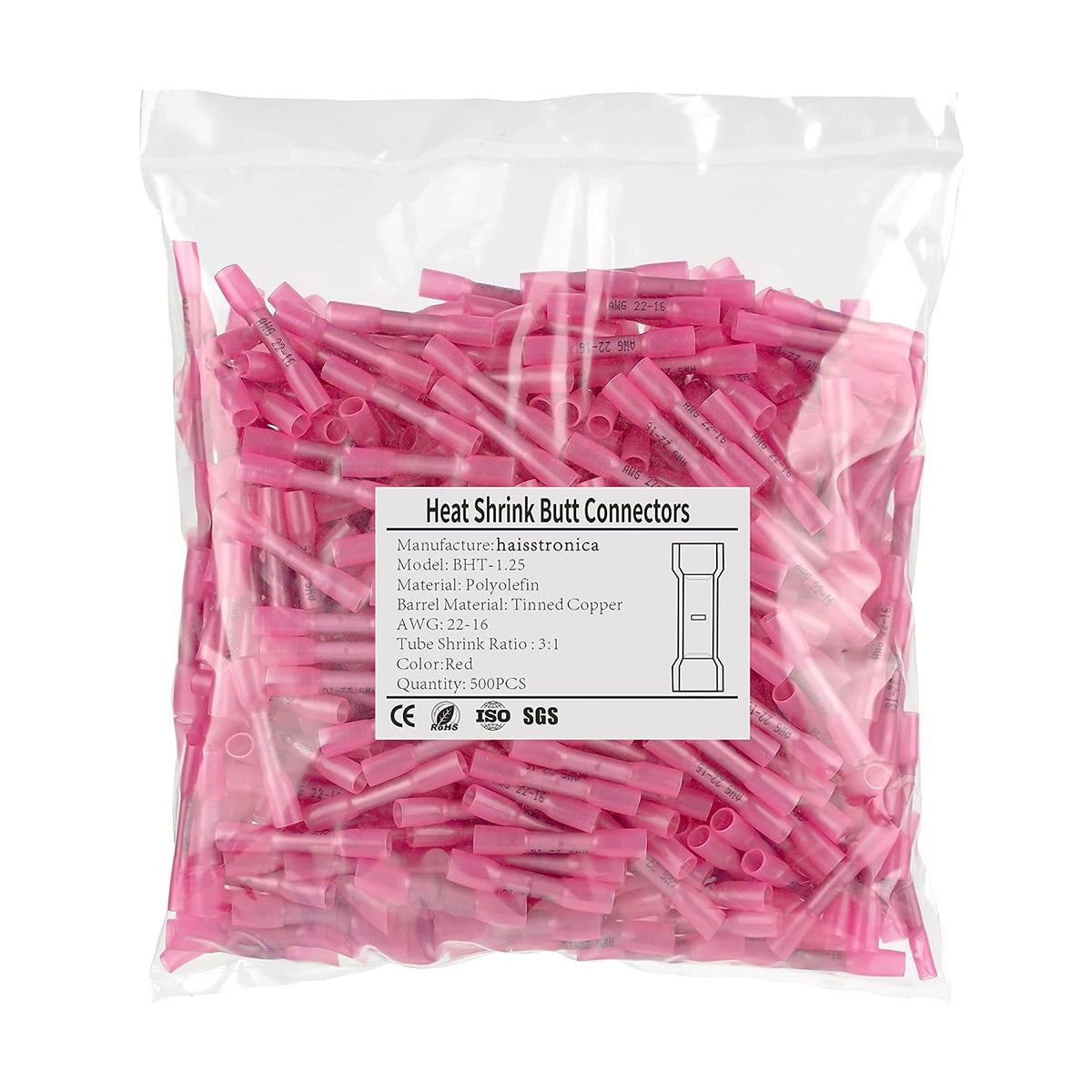
| Red | AWG 22–18 | Sensors and small accessory circuits | Shop red → |
| Green | AWG 18–16 | Intermediate harness sizes | Shop green → |
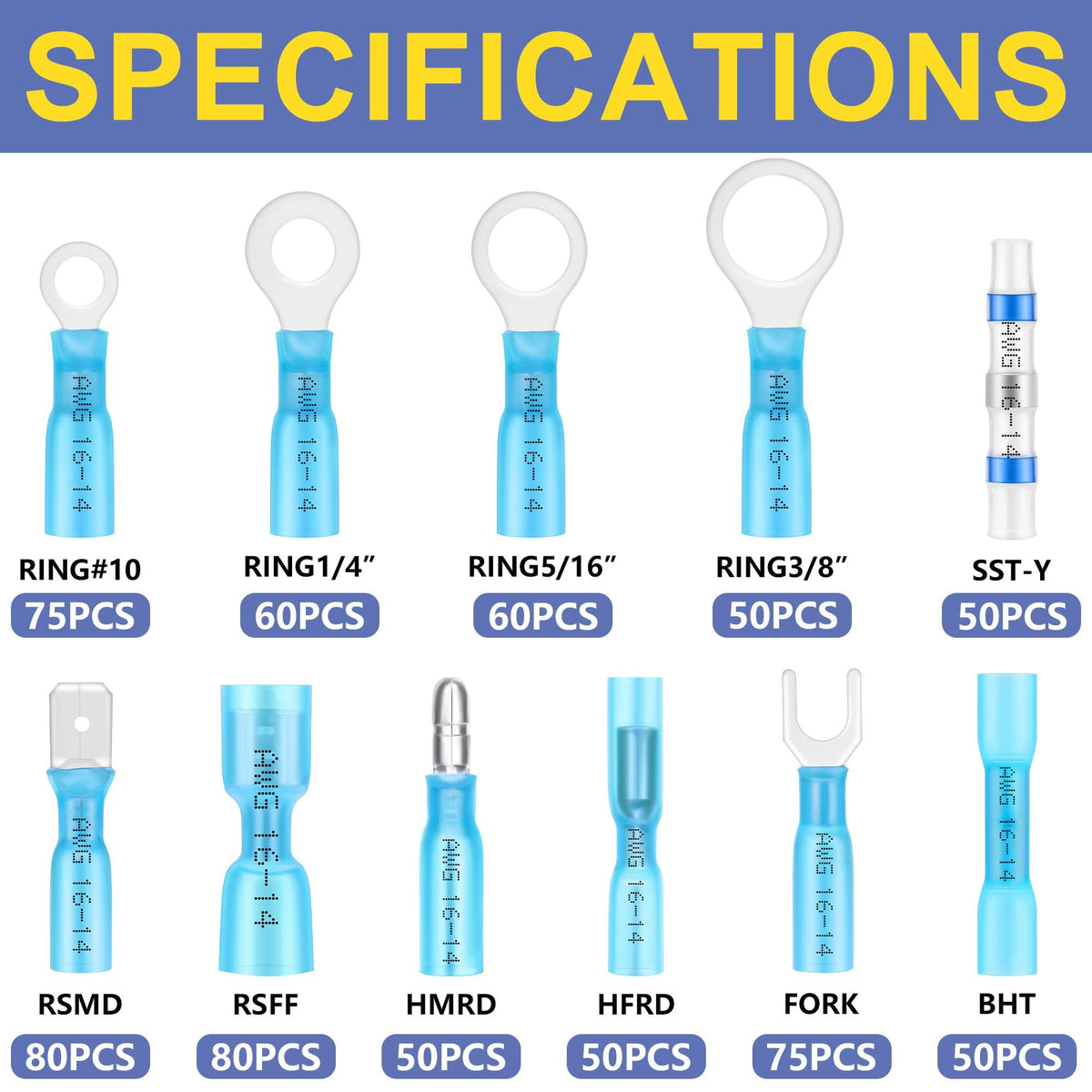
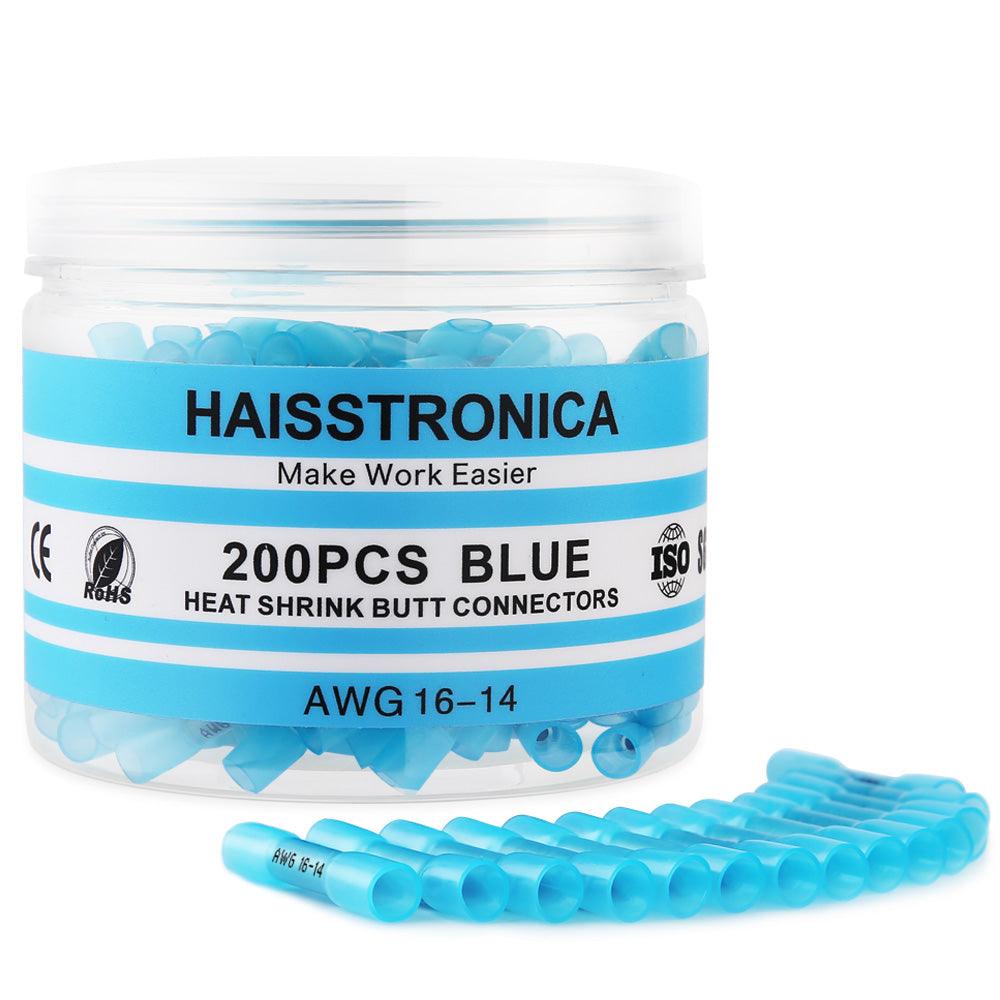
| Blue | AWG 16–14 | Lighting, pumps and common accessories | Shop blue → |
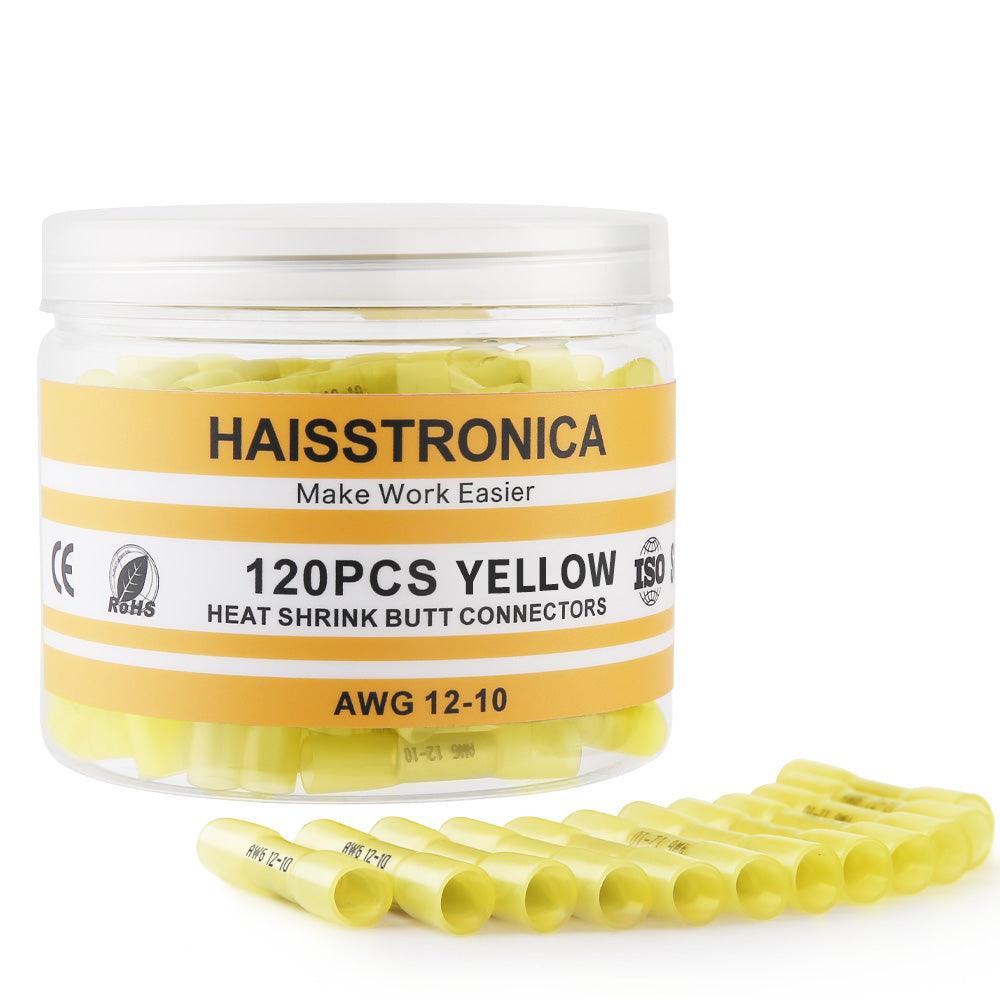
| Yellow | AWG 12–10 | Heavier low-voltage power leads | Shop yellow → |
2. Compare 2:1 and 3:1 recovery before buying
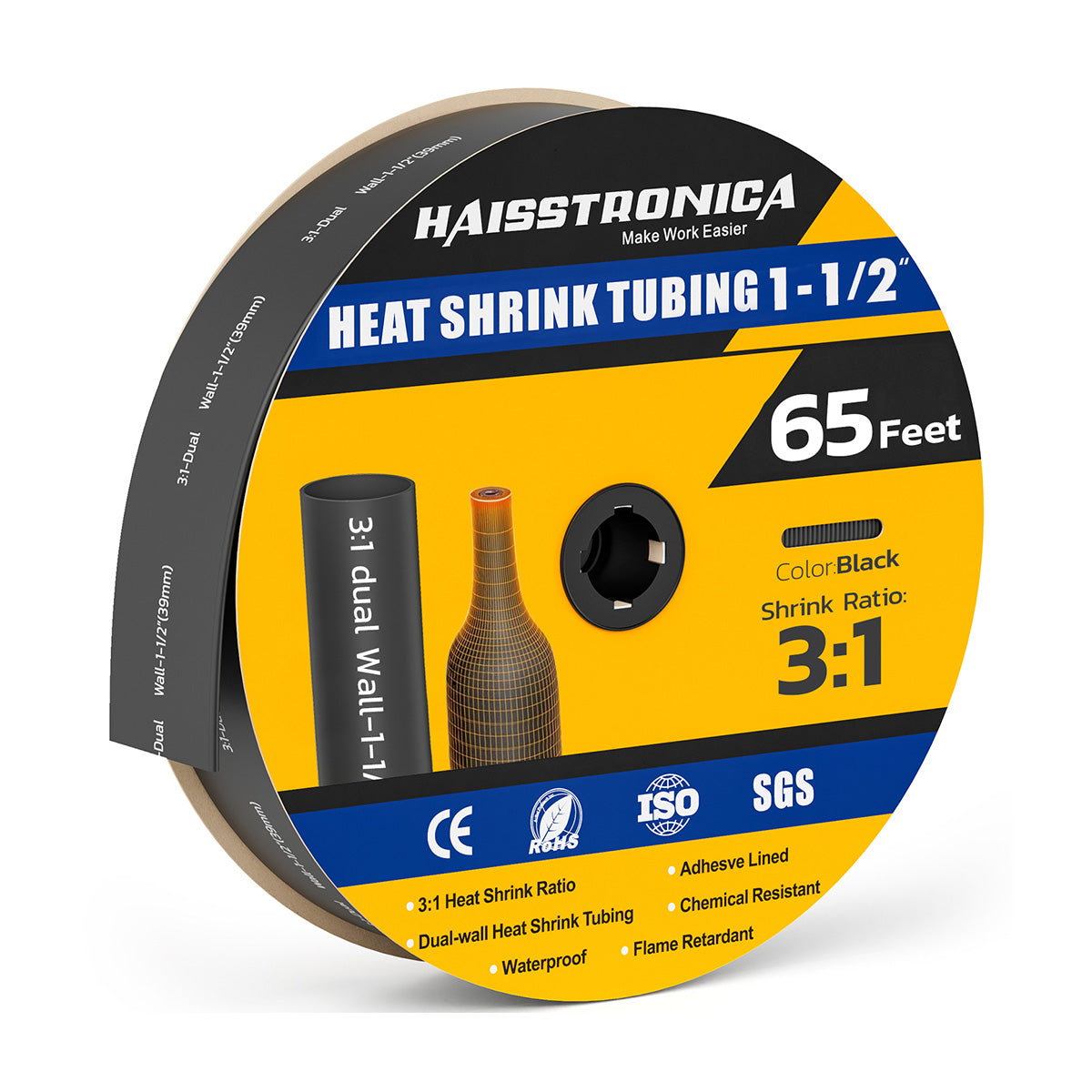
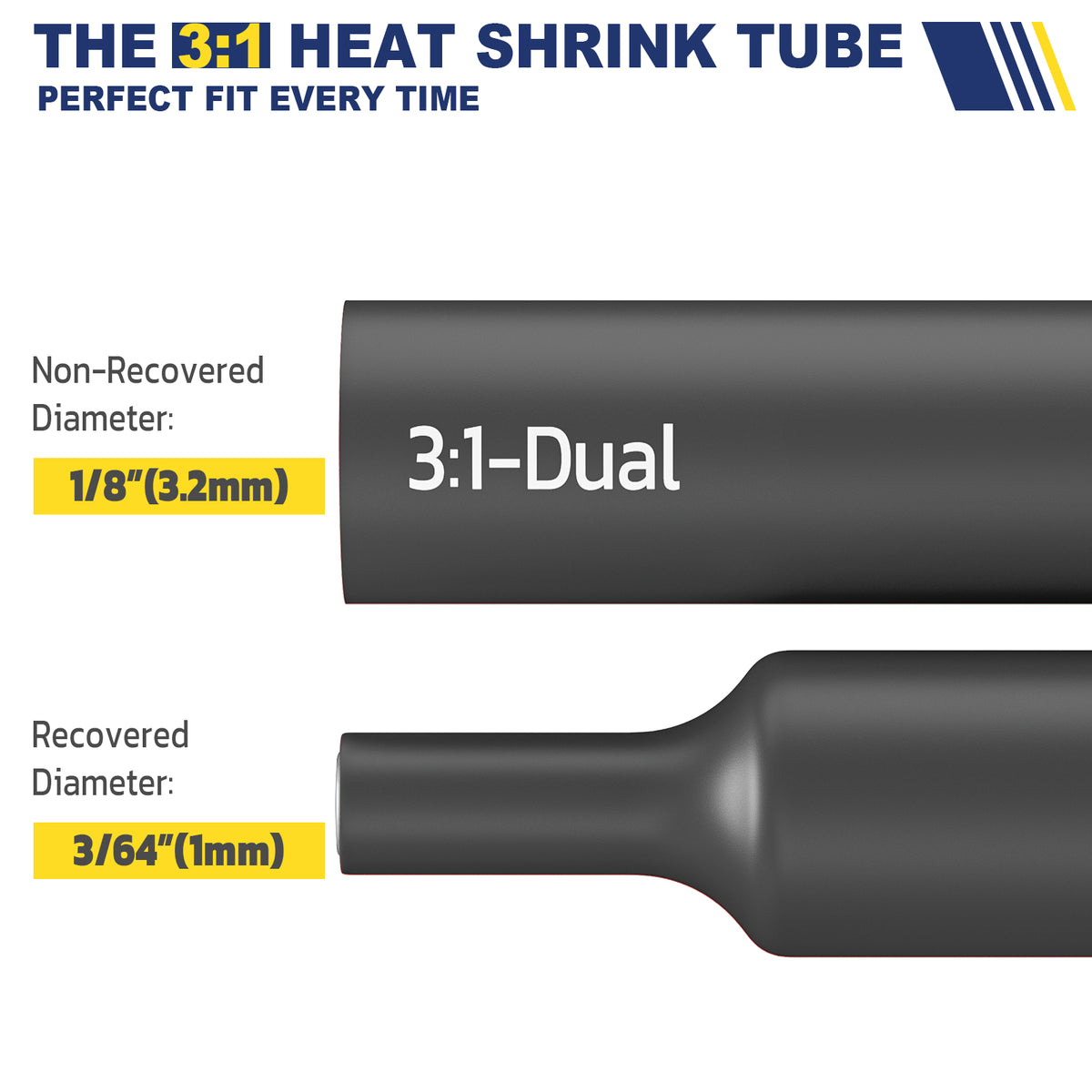
The ratio describes how much a tube can recover from its supplied diameter. A larger ratio is useful when the connector must pass over a thicker section and still recover tightly around a smaller jacket. Always confirm the finished connector’s published dimensions; a ratio alone does not guarantee fit.
| Choice | Best when | Watch for | Buying path |
|---|---|---|---|
| 2:1 | Jacket diameters are consistent | Less tolerance for large O.D. differences | Compare sleeves → |
| 3:1 | Mixed projects and uneven transitions | Verify recovered I.D. grips both sides | View 3:1 all-in-one set → |
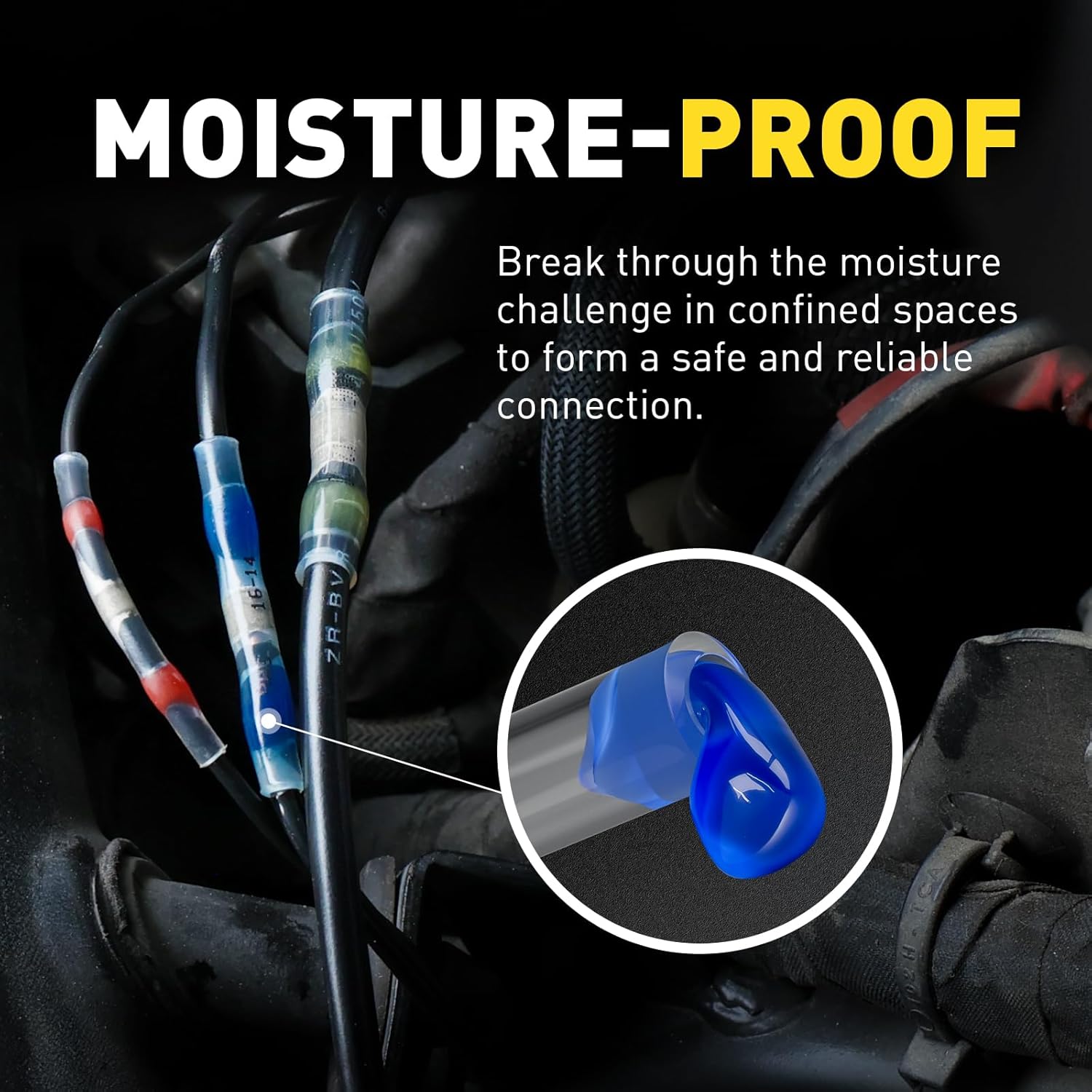
3. Check solder, flux and adhesive quality
Reduces setup error and lets you confirm the bare-wire overlap visually.
Look for a smooth melt and wetting around clean copper—not a grainy or scorched joint.
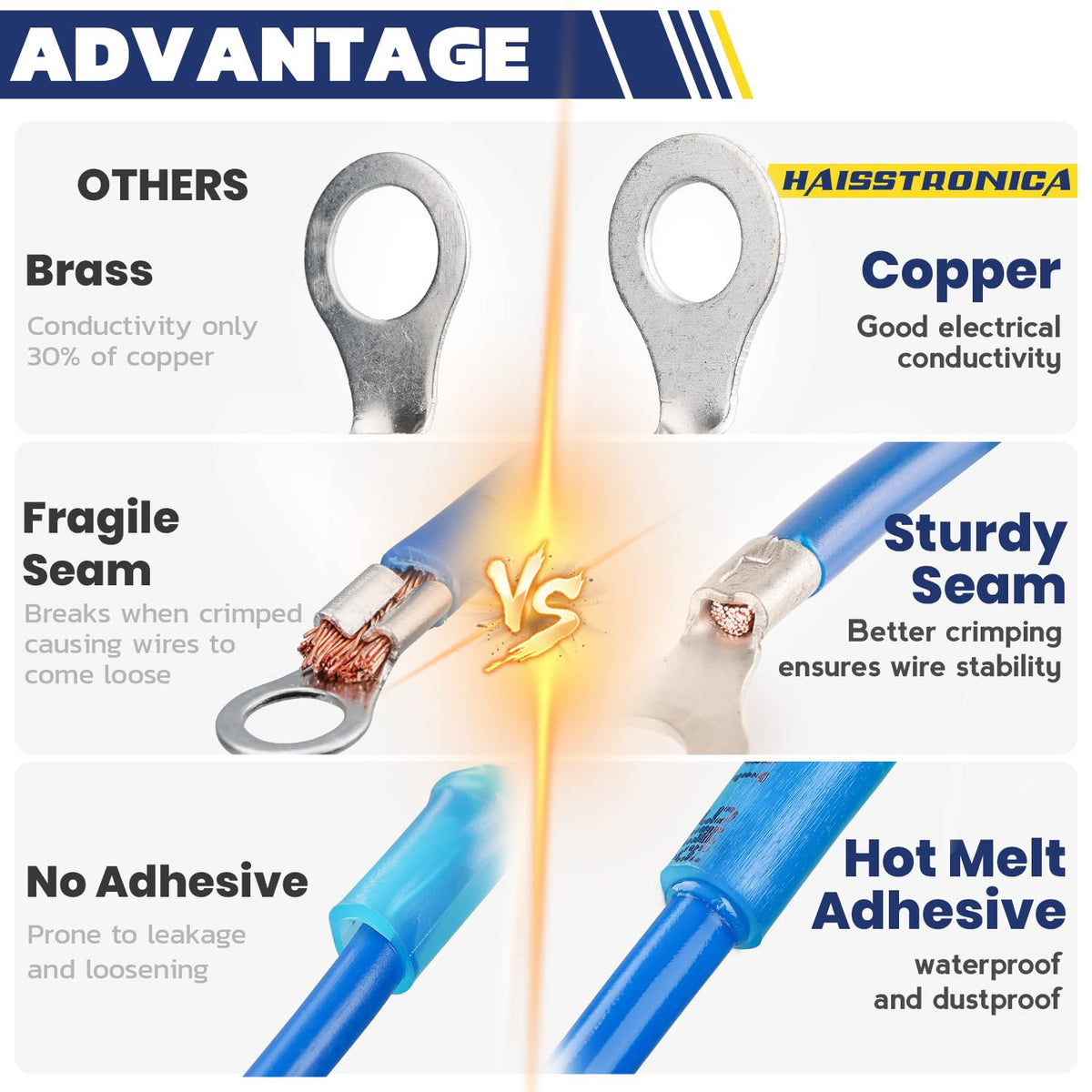
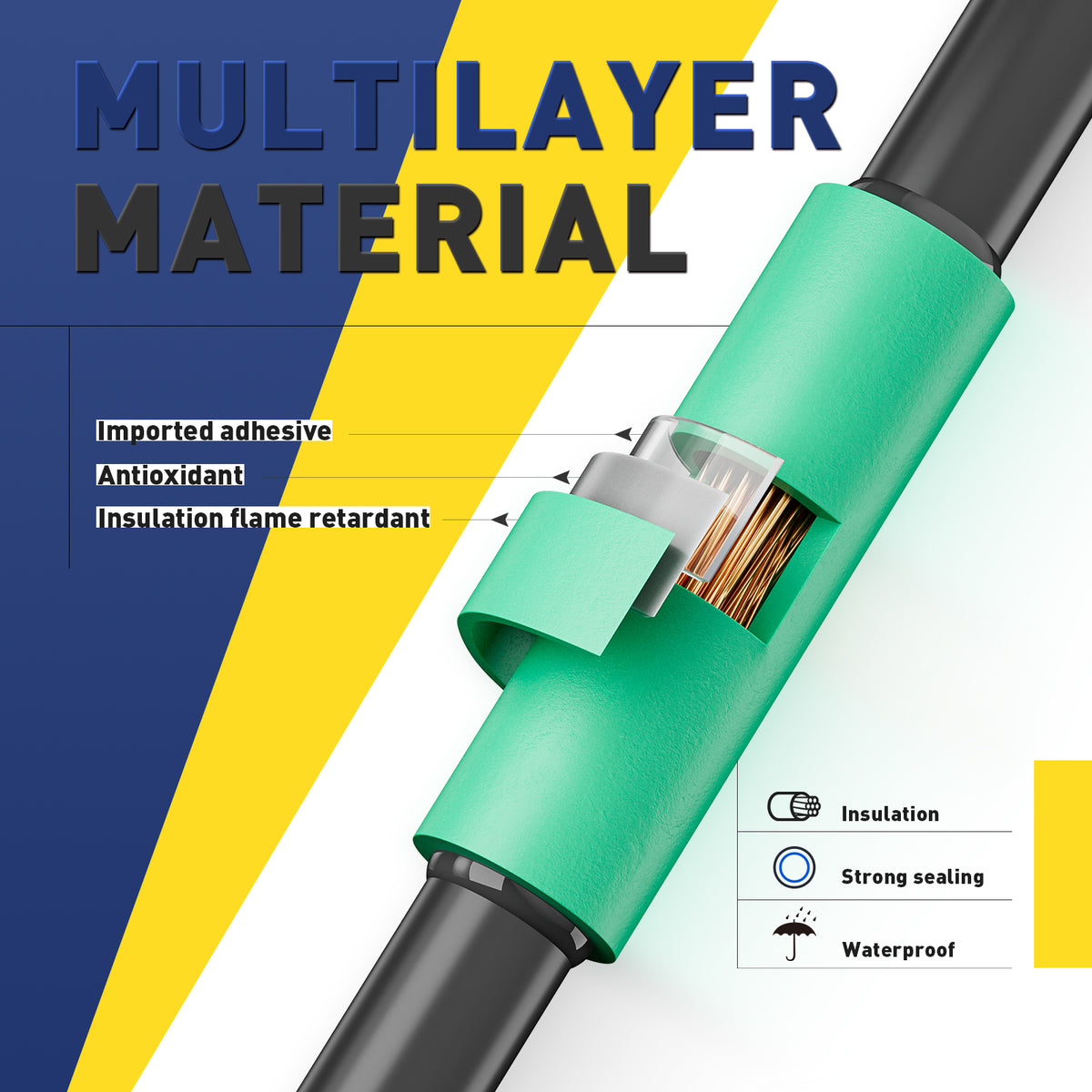
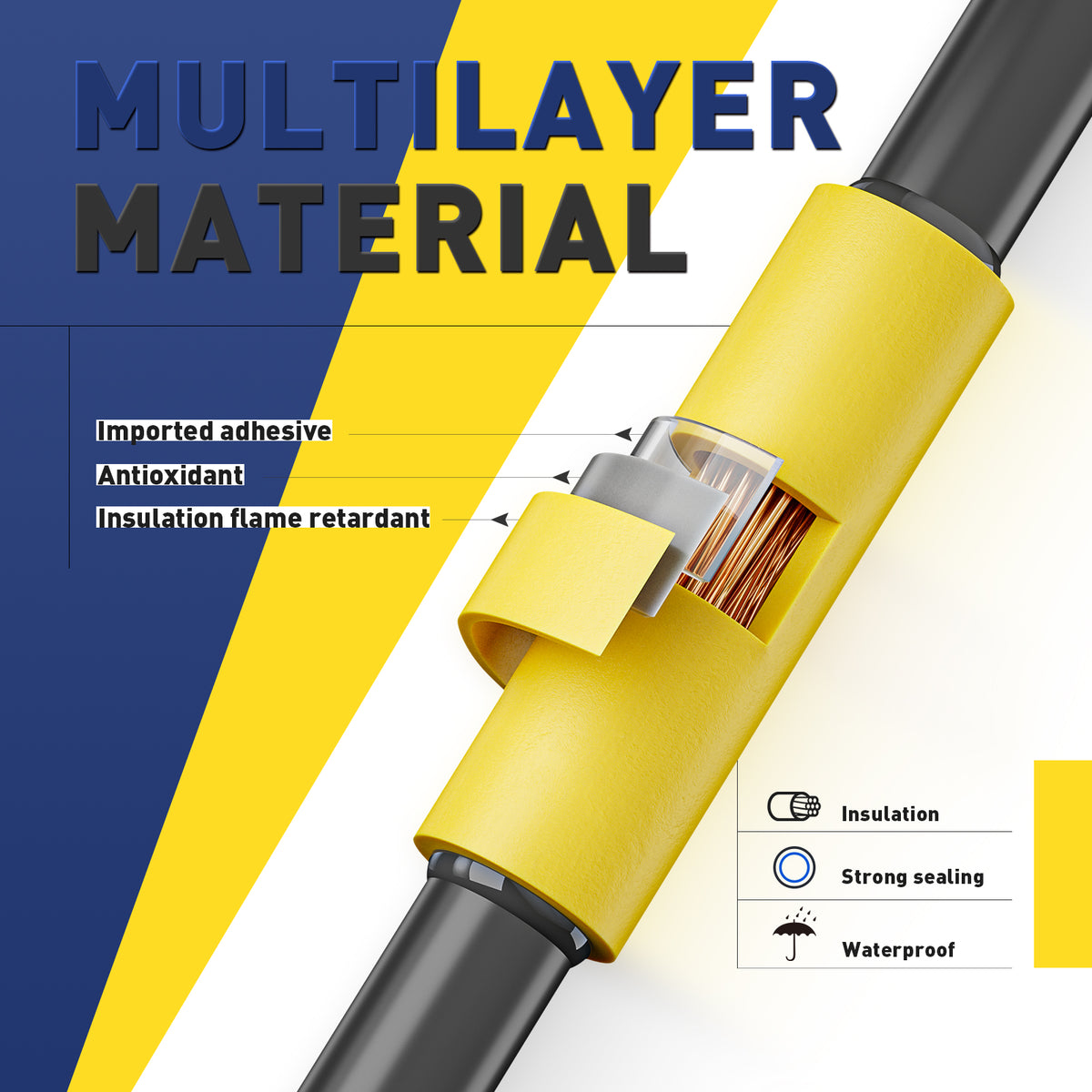
The adhesive should form continuous fillets at both jacket ends after heating.
4. Choose by environment, not marketing language
| Project | What matters most | Recommended kit path |
|---|---|---|
| Automotive accessories | Gauge coverage, compact splice, controlled heat | 340PCS mixed kit → |
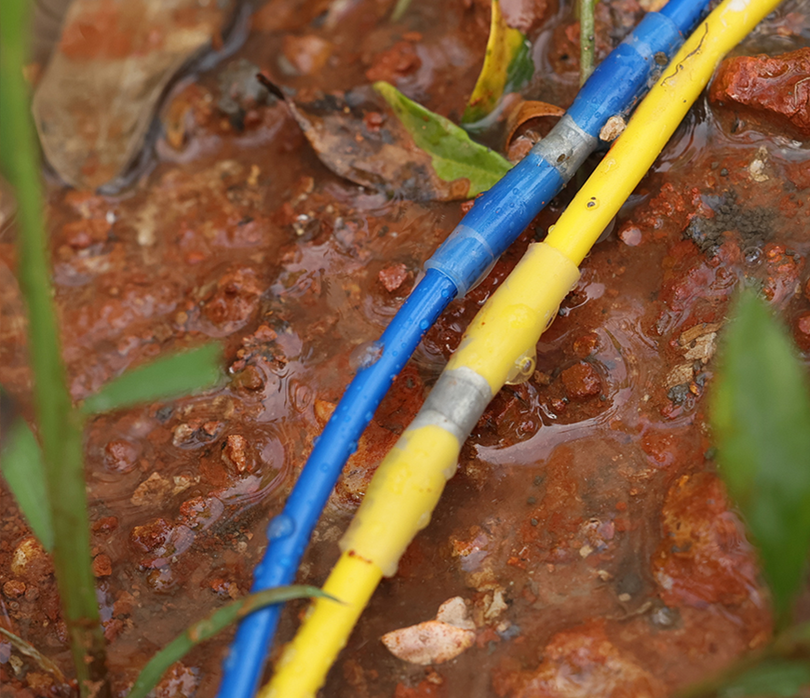
| Marine, trailer, outdoor | Full adhesive flow, sealed routing, corrosion control | Organizer all-in-one set → |
| Home and bench DIY | Right gauge, easy inspection, safe heat access | Heat gun + connector kit → |
5. Calculate the color quantities you will actually use
- List the next 3–5 projects and count each splice by wire gauge.
- Add 20–30% for test pieces, rework and field stock.
- If one color represents most of the total, buy that color in bulk and keep a smaller mixed kit for exceptions.
- For changing workloads, prioritize an organized mixed-gauge kit so replenishment is visible before a job starts.
Choose single-color bulk
Reduce sorting and replenish the exact AWG range you consume.
Choose a color and gauge ↑Choose a mixed-gauge organizer
Cover the common AWG range without guessing what the next harness will need.
View the premium mixed kit →
Final pre-purchase checklist
Frequently asked questions
Should I buy the kit with the largest piece count?
Not automatically. A smaller assortment that matches your common gauges can outperform a larger kit filled with sizes you rarely use.
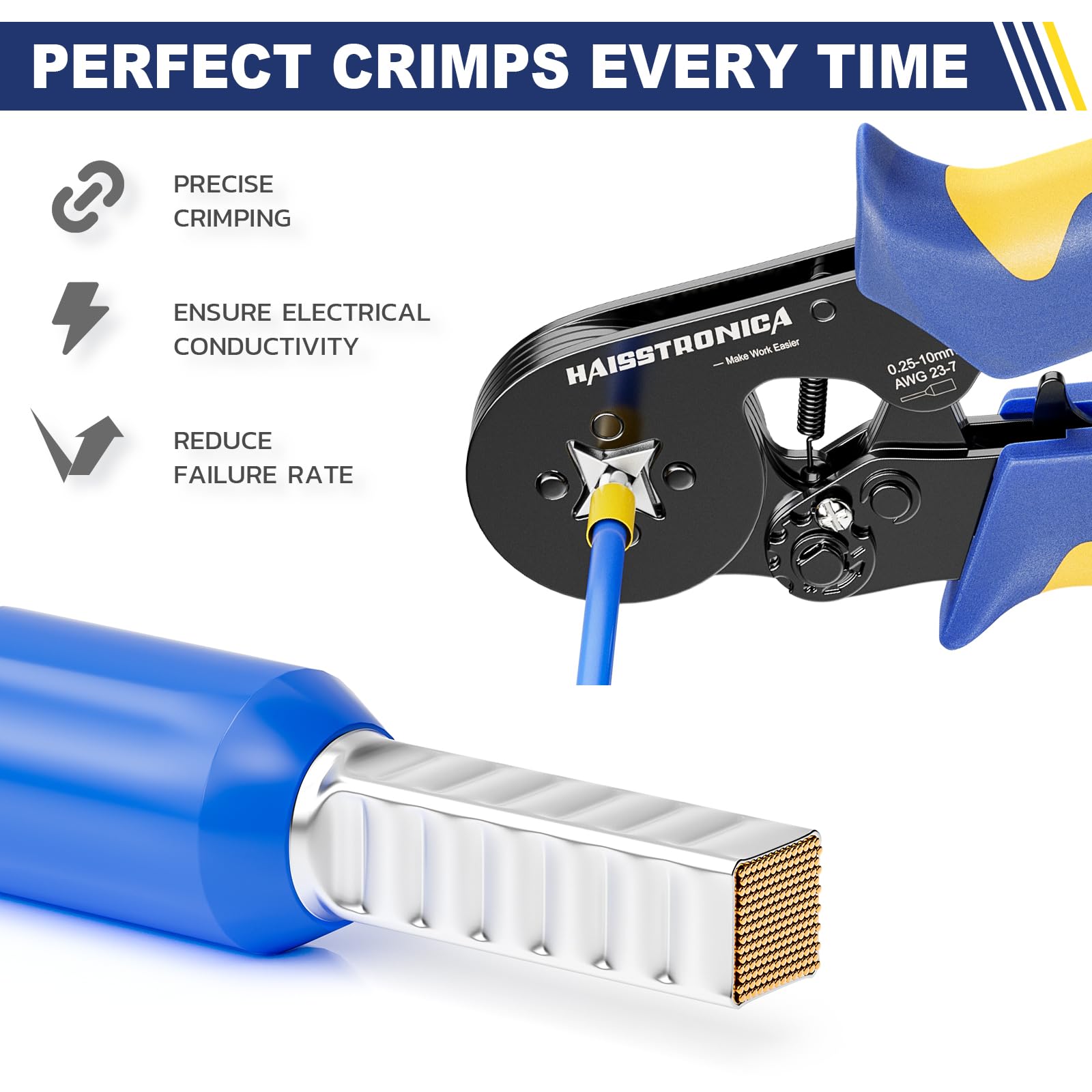
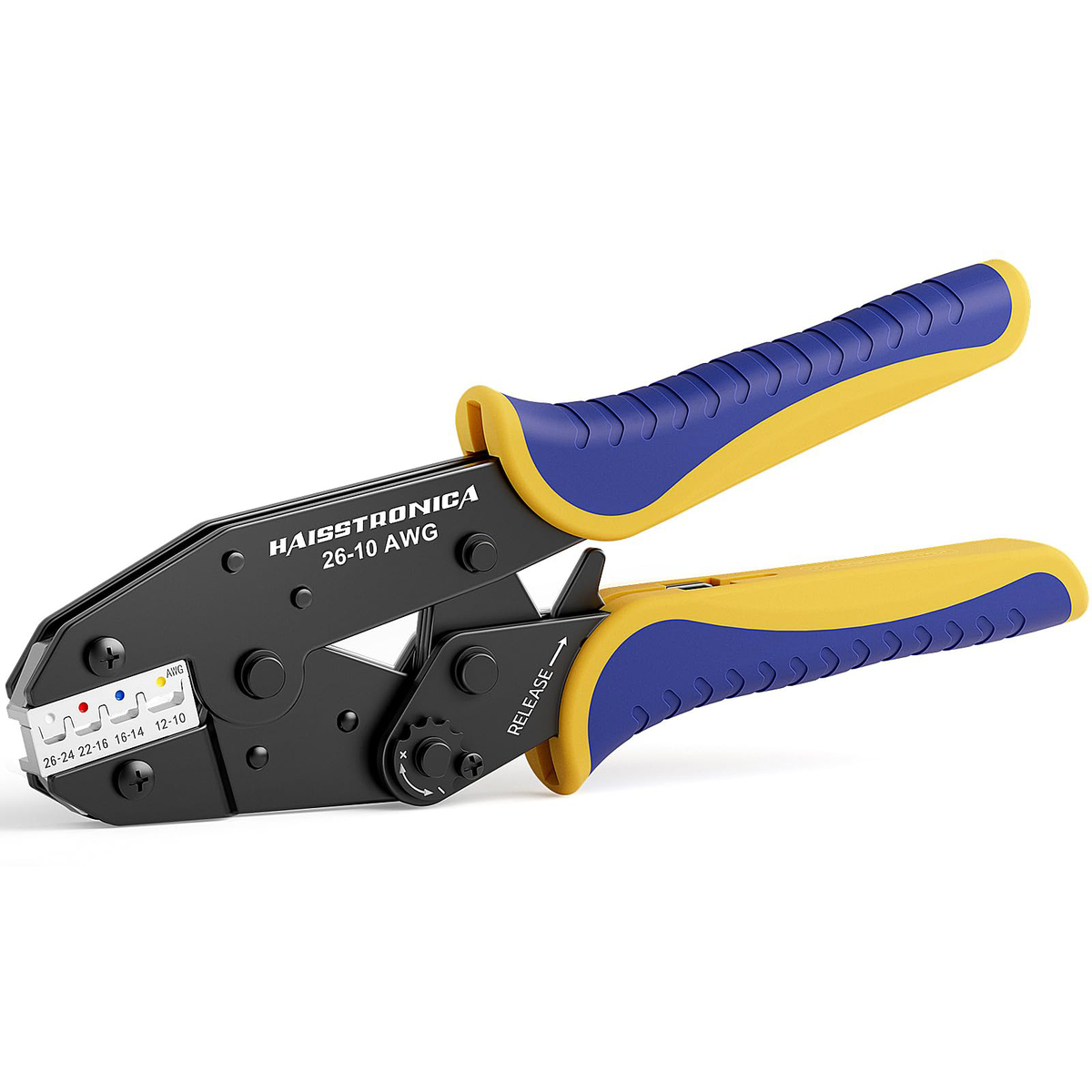
Do solder seal connectors require a crimper?
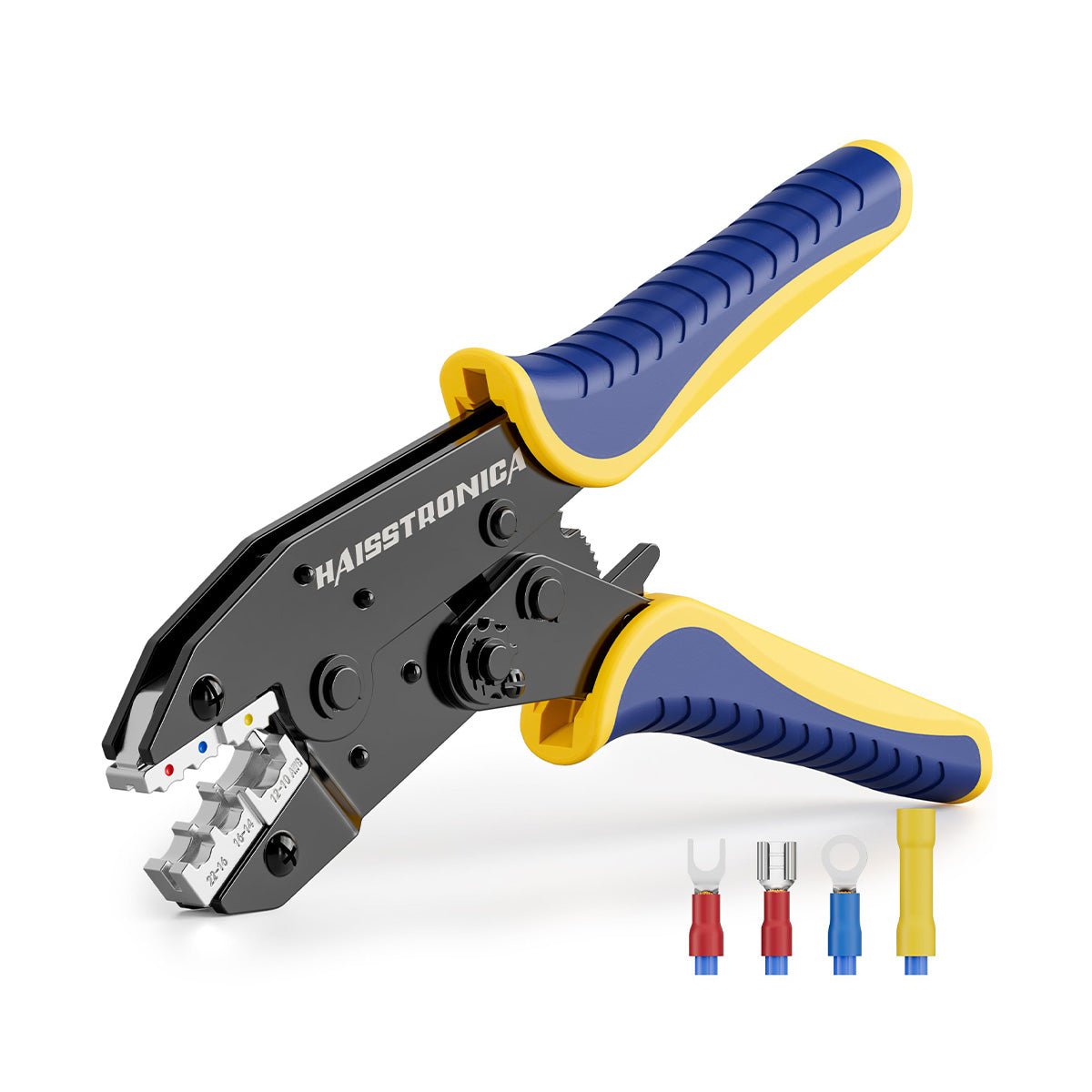
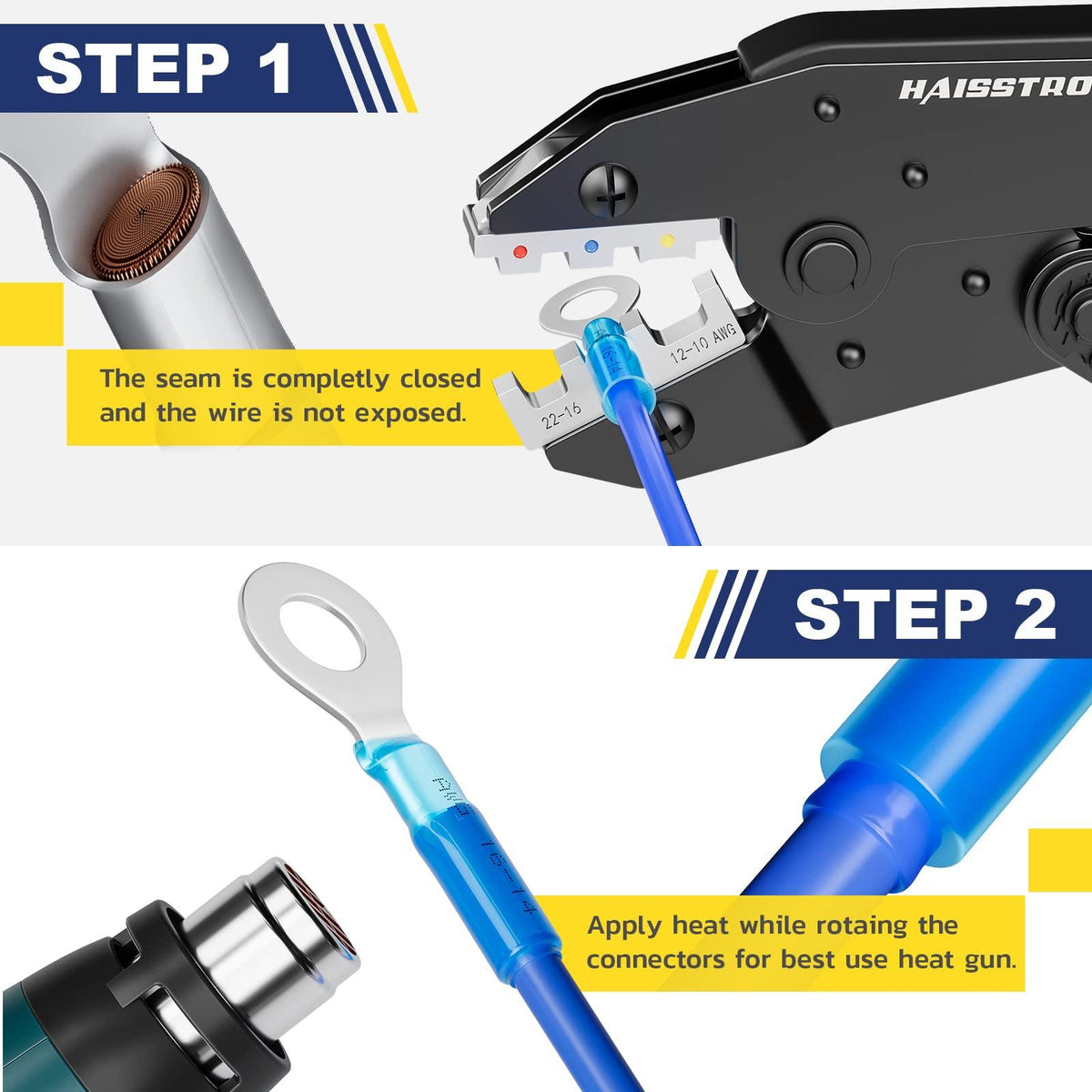
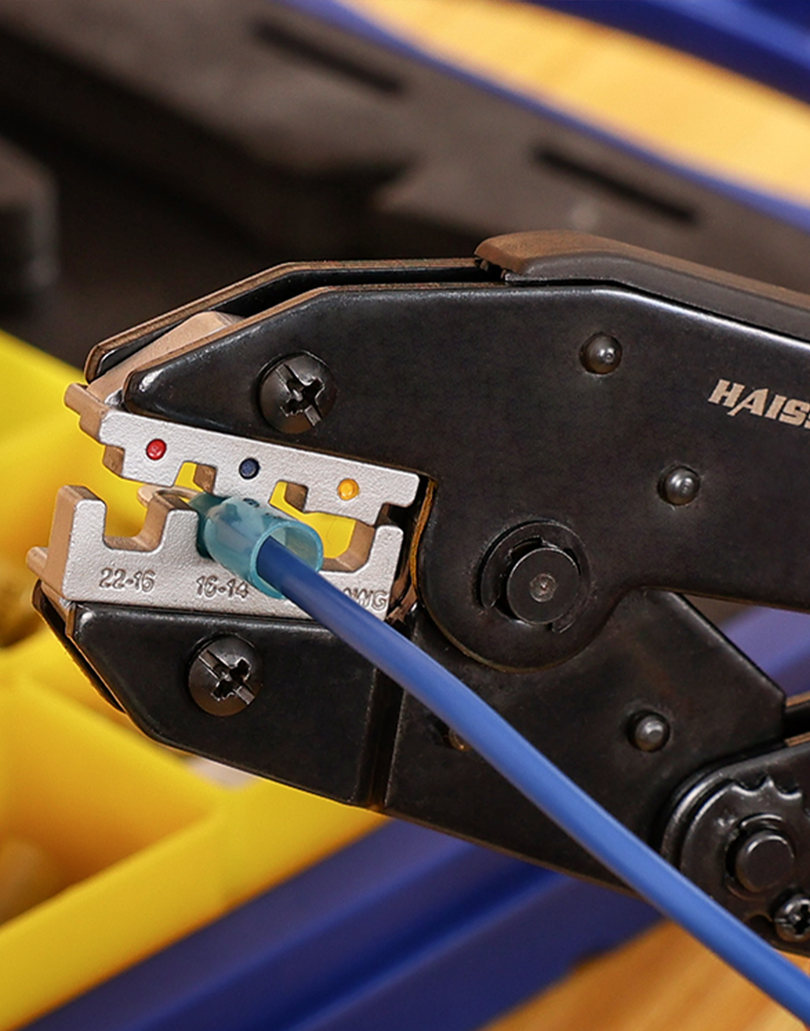
No. They require correct wire preparation and controlled, even heat. A separate crimper is not used on the solder sleeve body.
Is 3:1 always better than 2:1?
No. Choose the ratio and recovered dimensions that fit your insulation O.D. and transition. More recovery is helpful only when the product still matches the conductor range and application.
Can I use a lighter instead of a heat gun?
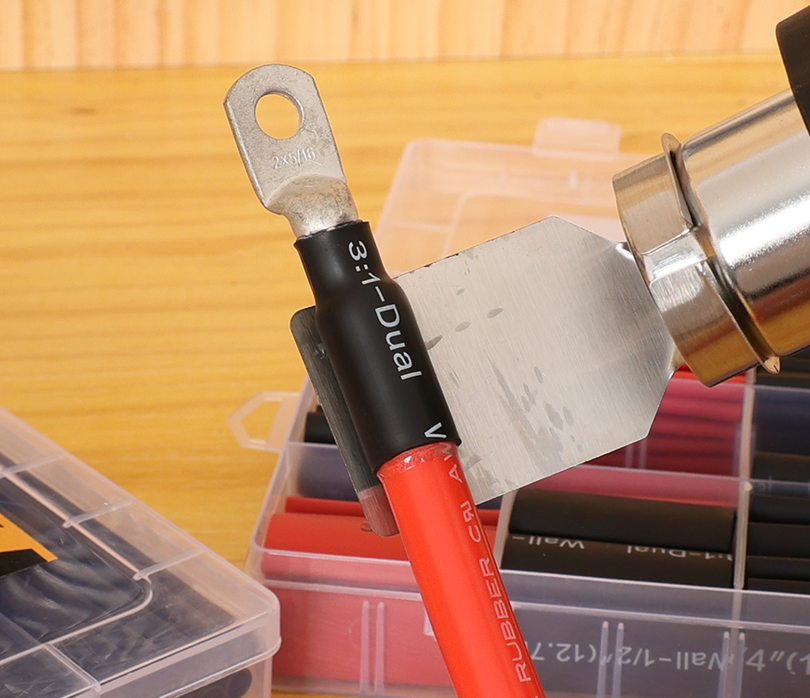
A controlled heat gun is the safer, more repeatable choice. Open flame can localize heat, scorch tubing and leave the solder or adhesive incompletely activated.