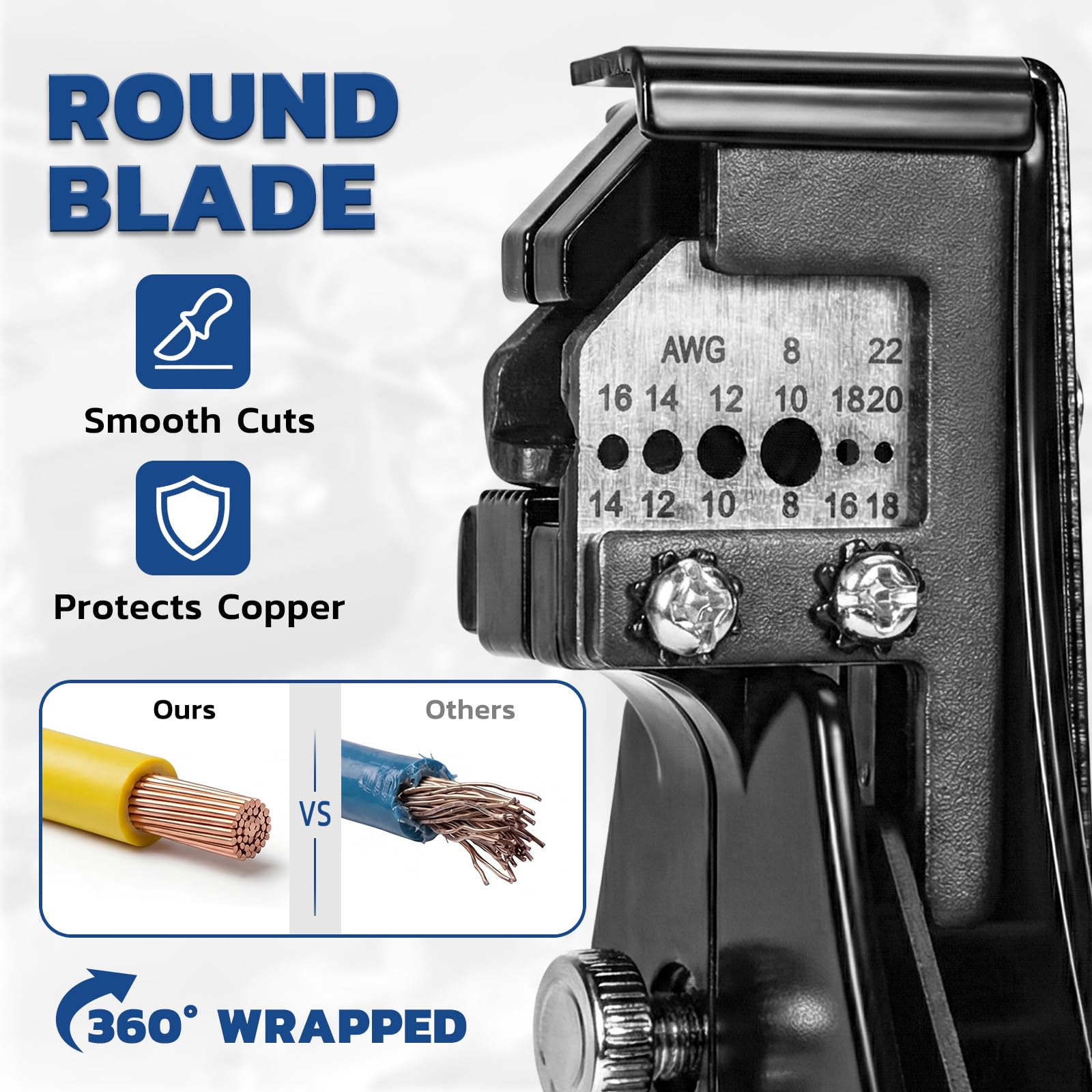
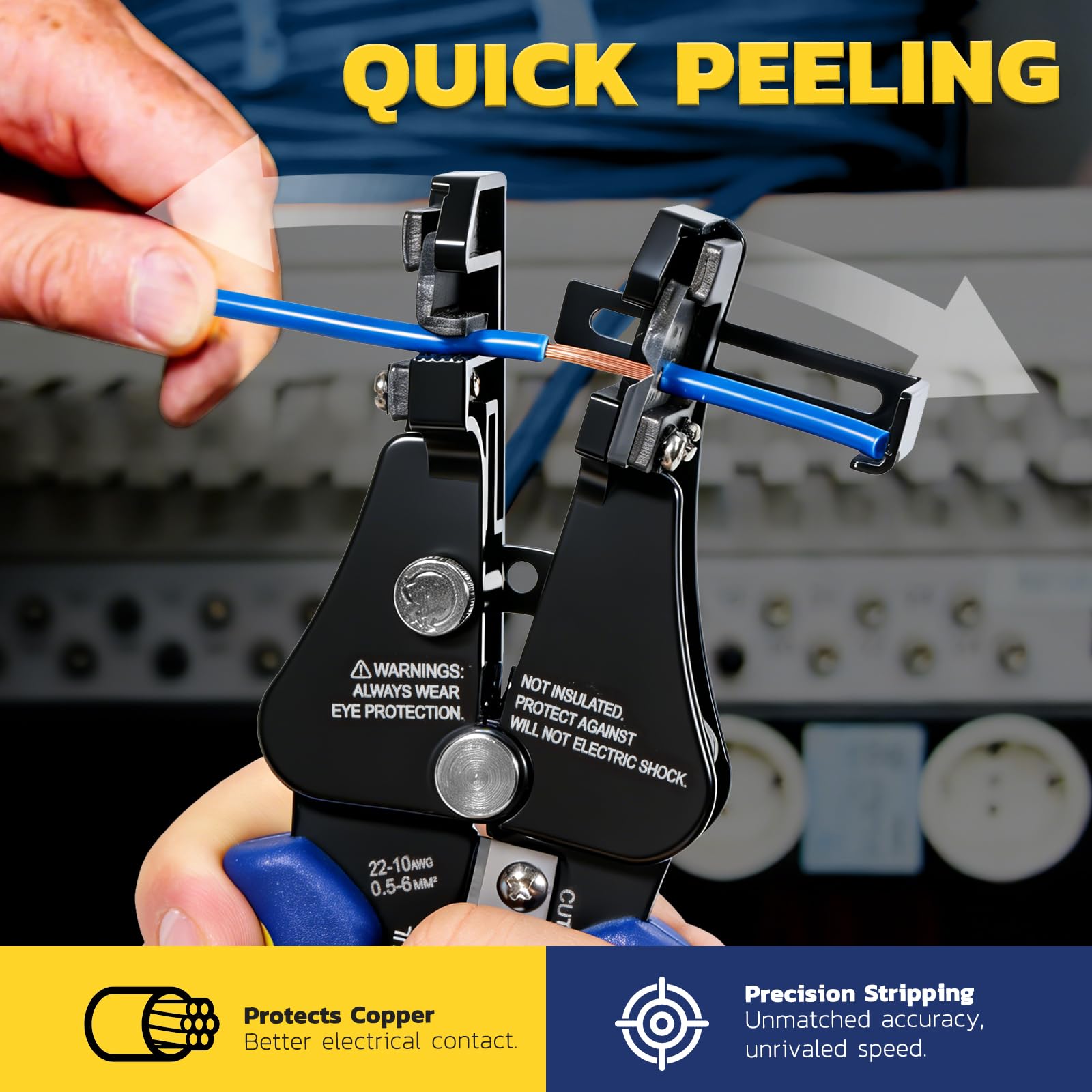
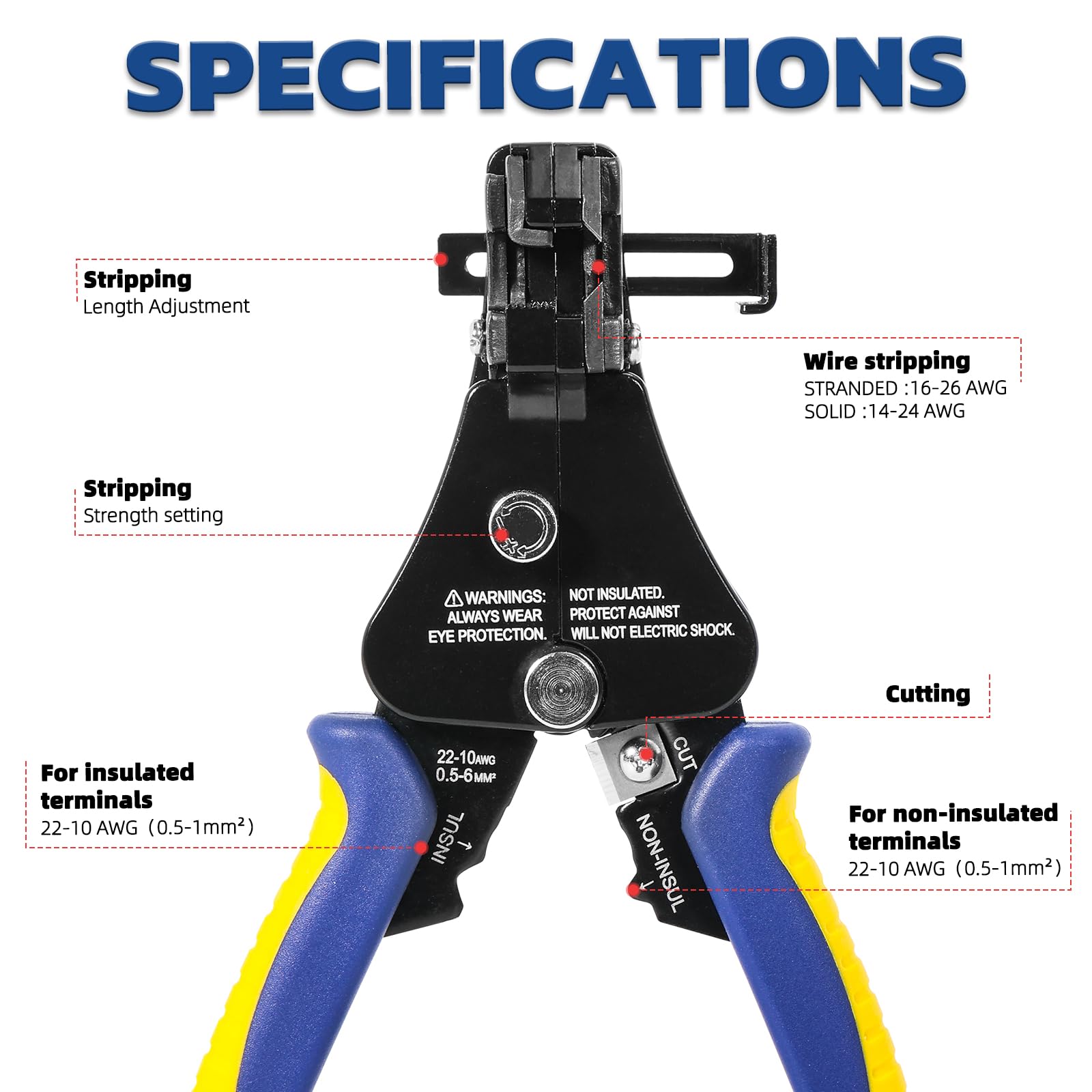
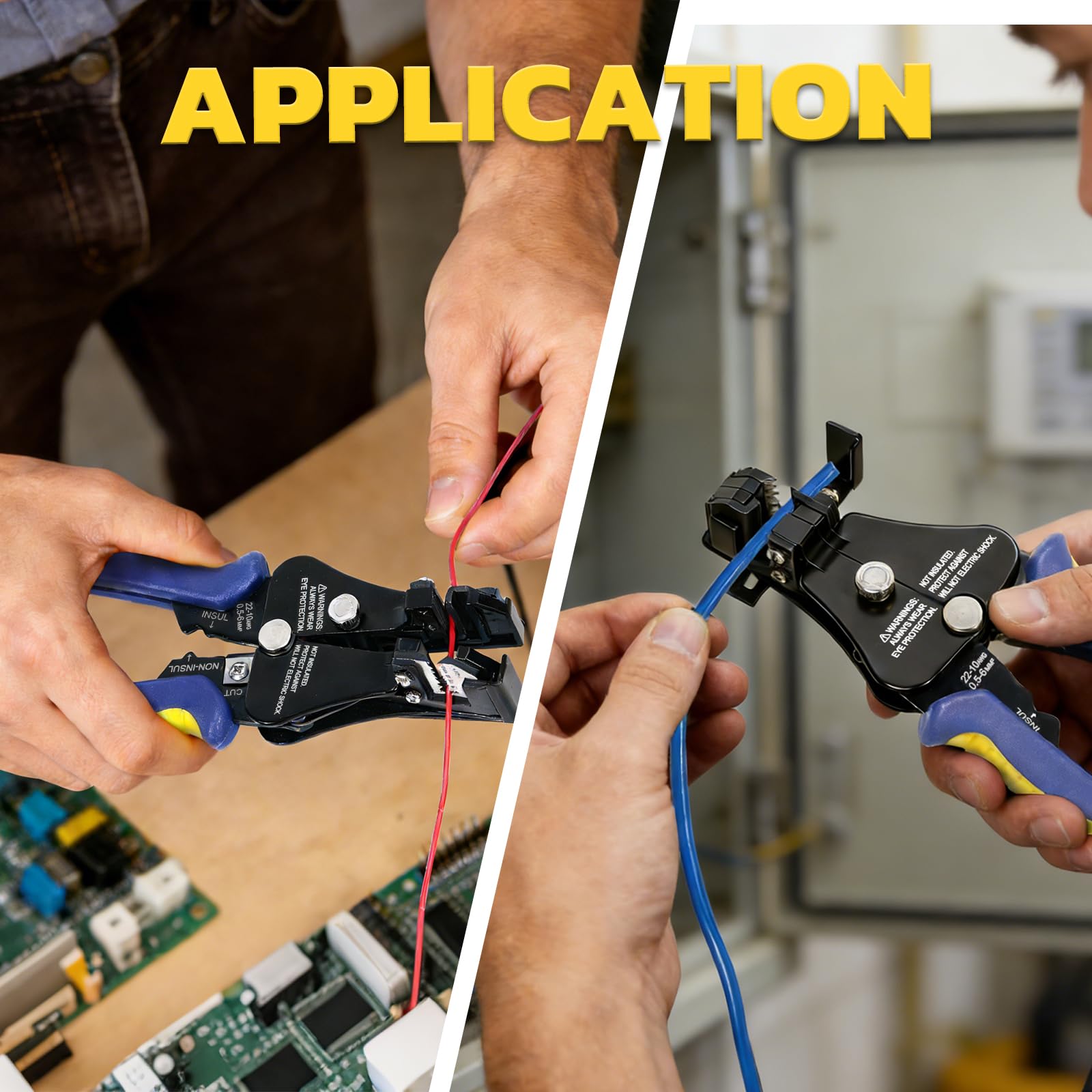
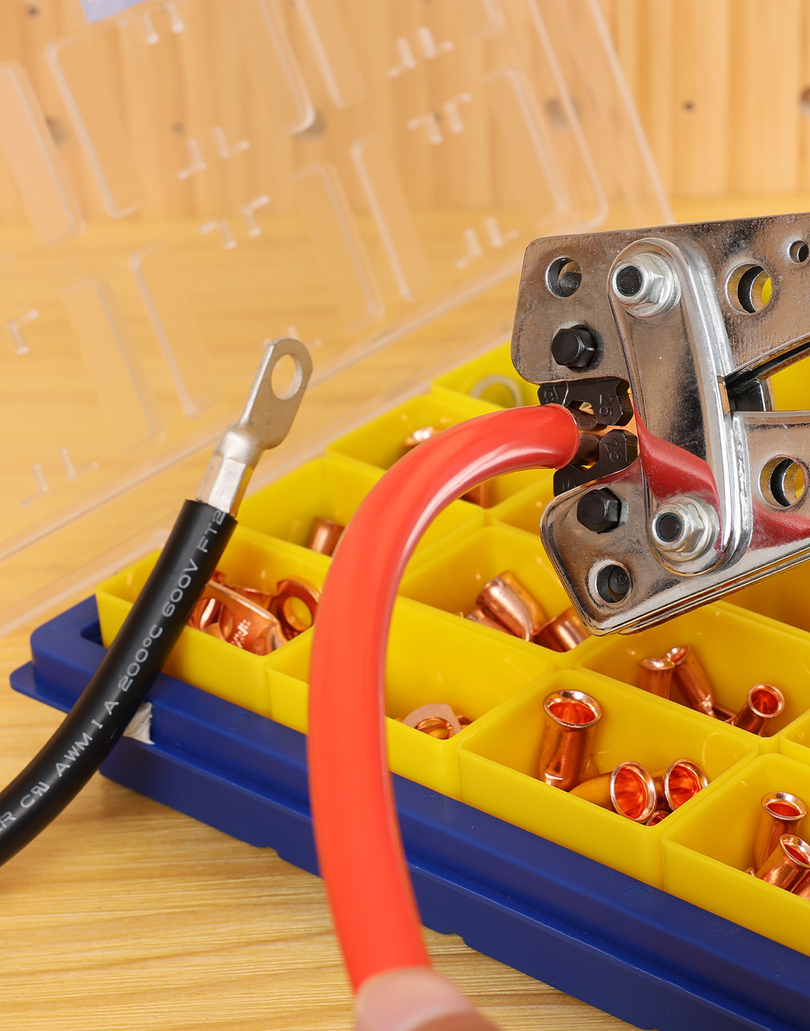
A timed stripping challenge isn’t about bragging rights—it’s a fast way to find where prep time leaks out: micro-adjustments, inconsistent strip length, and rework from damaged strands. Using widel...
The fastest wire prep isn’t the fastest single strip—it’s the smoothest workflow from coil to finished connection. Most “lost time” comes from micro-stops: pulling from a coil, re-measuring, correc...
Reduce repeated gauge-selection pauses without skipping quality checks. Learn how to set strip length and tension, test mixed-gauge wires, and compare time per accepted end before choosing a self-a...
Guessing wire gauge is one of the fastest ways to turn wire prep into rework. The wrong notch, the wrong strip length, or the wrong terminal barrel size can create nicked strands, insulation damage...
Traditional tools can feel loud and distracting, even when they’re not hazardous-level noise. This post explains what “Quiet Tech” means in a quick-strip workflow and how smoother mechanics support...
AWG 10 is a thick, high-demand conductor that exposes every weakness in basic strippers: more stiffness, more insulation to cut, and higher force that can nick strands. This deep research blog expl...
Most wire-prep bottlenecks are not caused by the act of stripping. They are caused by resets: reopening jaws, clearing insulation slugs, re-centering the conductor, re-checking wire gauge, and re-g...
Auto-return blades are a simple idea with outsized impact: after each strip, the blade/jaw system “homes” itself back to the start position—so you don’t waste time manually reopening, clearing slug...
Hand fatigue doesn’t just make wiring uncomfortable—it quietly slows output, increases mistakes, and causes “invisible rework” like re-stripping, re-crimping, and cutting back conductors to remove ...
Most wire-prep bottlenecks are not caused by the act of stripping. They are caused by resets: reopening jaws, clearing insulation slugs, re-centering the conductor, re-checking wire gauge, and re-g...
Auto-return blades are a simple idea with outsized impact: after each strip, the blade/jaw system “homes” itself back to the start position—so you don’t waste time manually reopening, clearing slug...
Find whether hand fatigue comes from stripping, crimping or repeated tool changes. Compare matched tools, improve the bench setup, and measure accepted output and rework without reducing inspection.