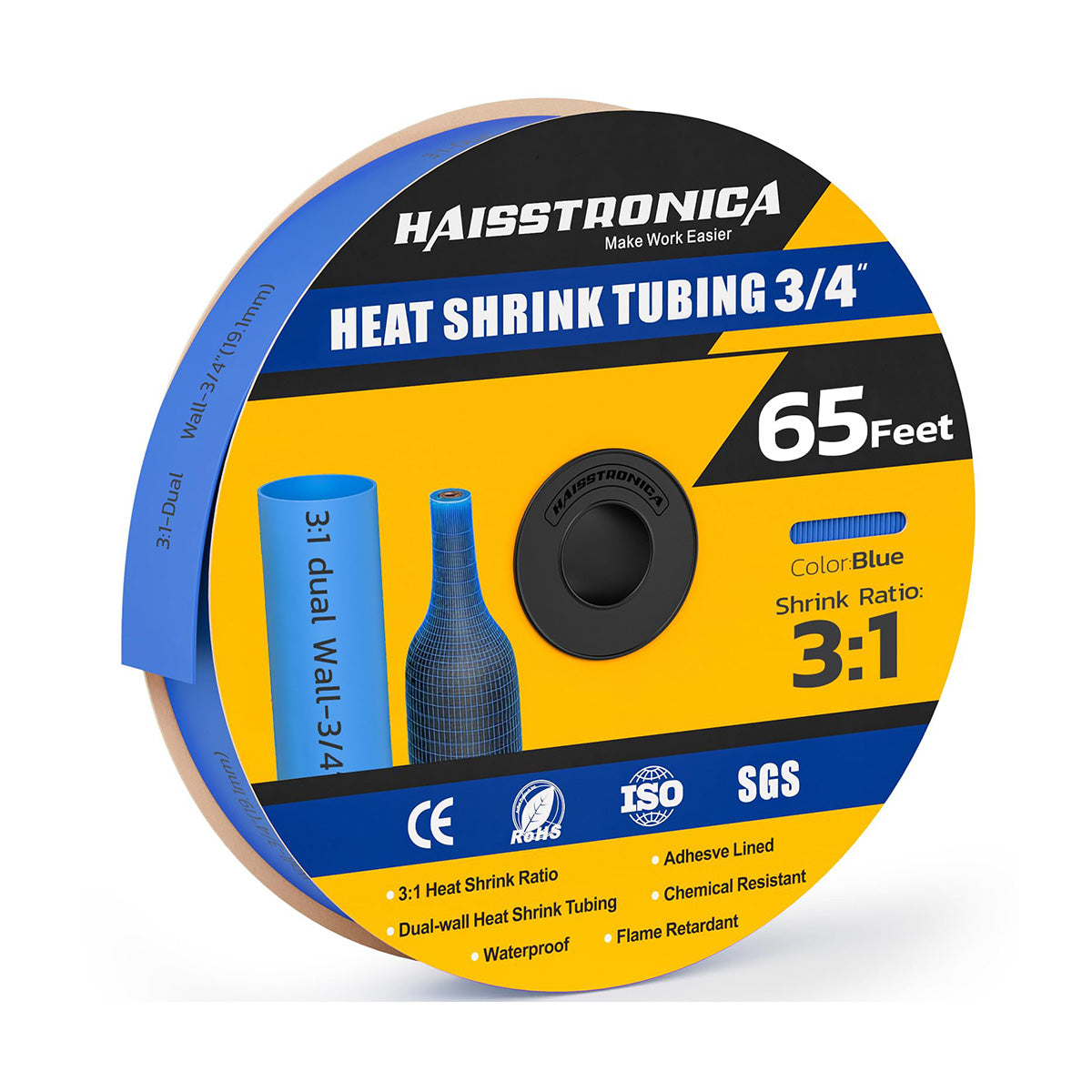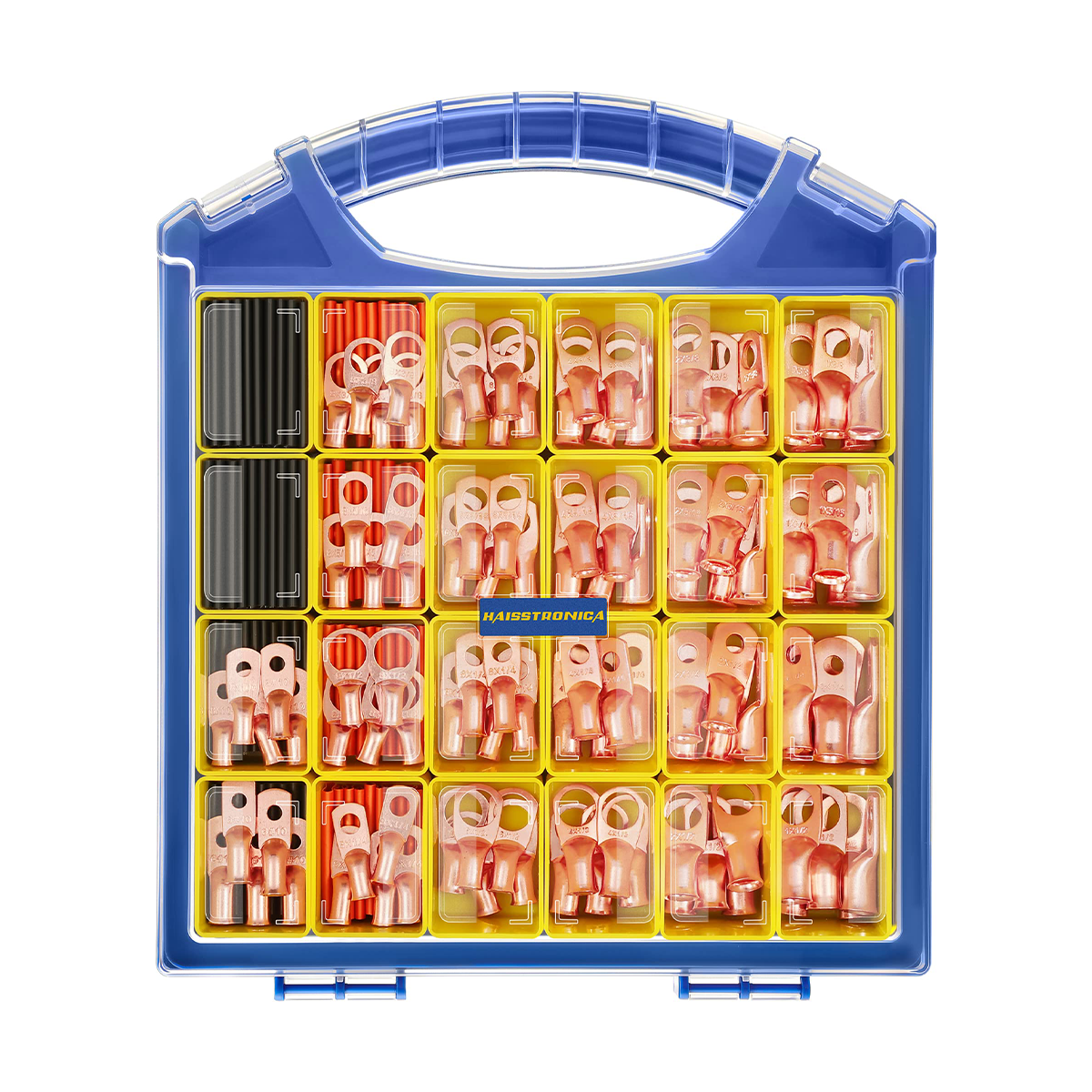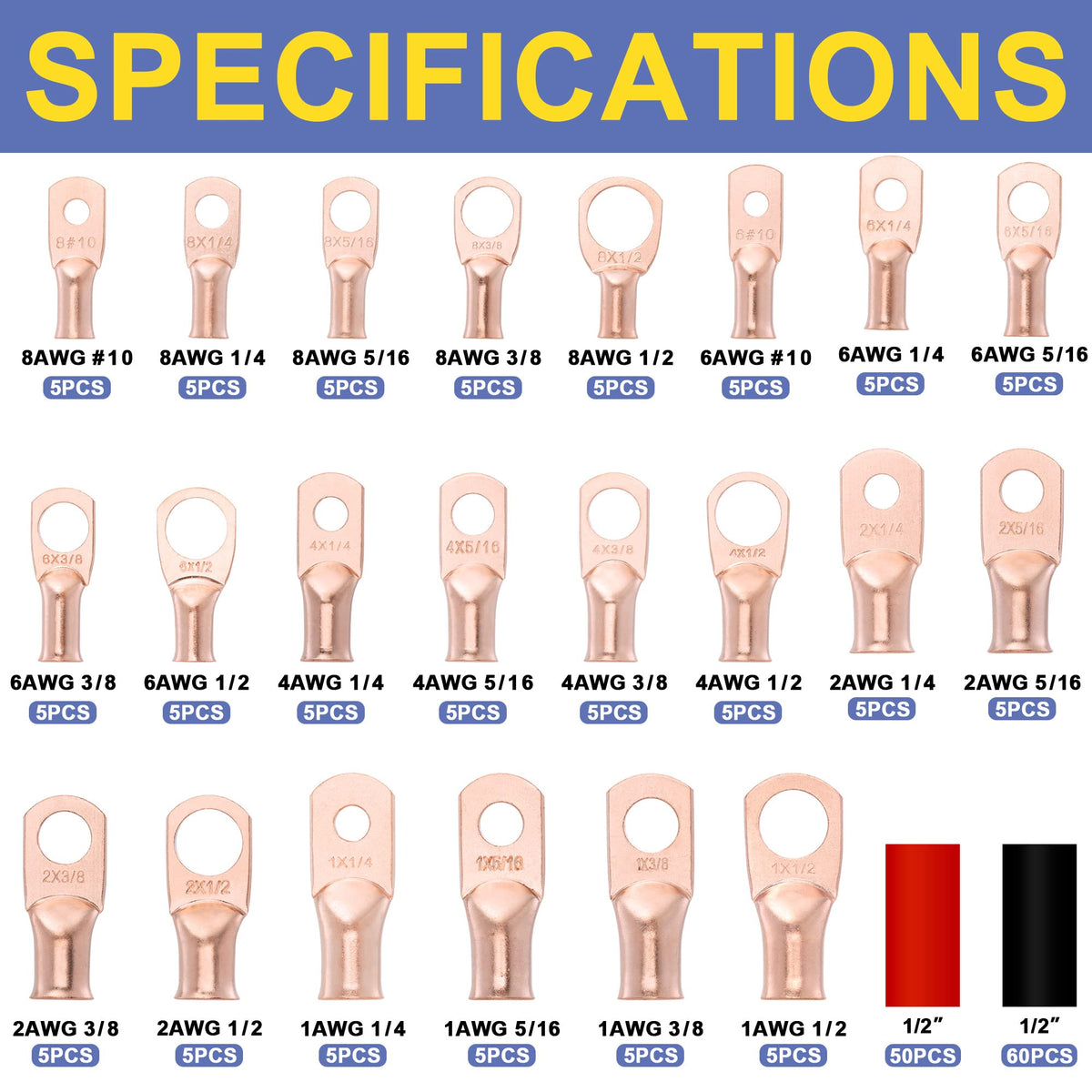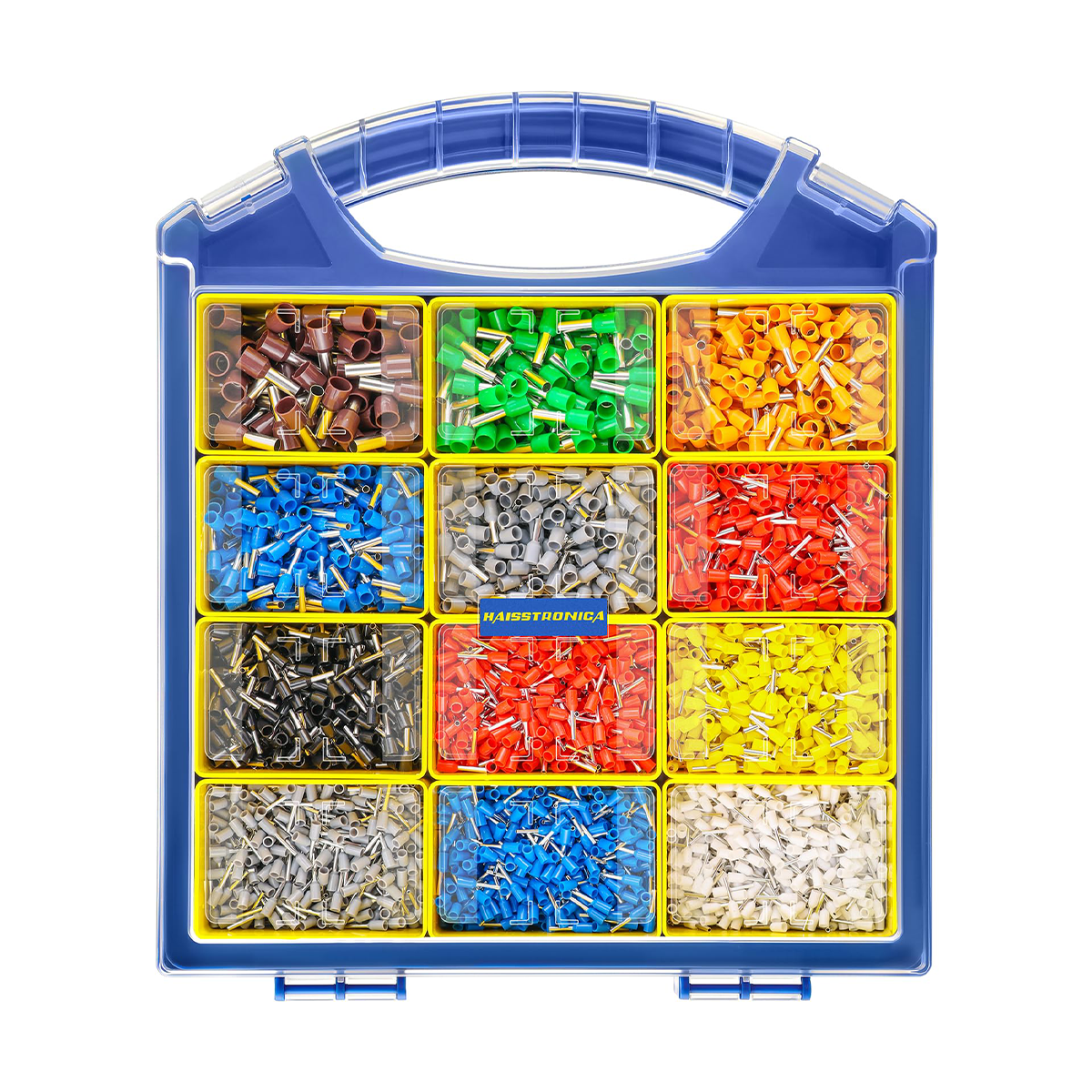

The Traditional Garage Wiring Process: Time-Consuming and Labor-Intensive — best cable stripping tool
Most garages are “real-world electrical environments”: power tools, vibration, dust, temperature swings, and sometimes moisture. That’s why code requirements can influence how you build and where you place receptacles and protection—adding planning and inspection steps that homeowners often underestimate. For example, NEC guidance commonly cited in continuing-ed materials states that in attached and powered detached garages, at least one receptacle outlet must be installed in each vehicle bay and not more than 5½ ft (1.7 m) above the floor, which shapes where you route cable and where you end up making splices. Finish your job faster by standardizing prep with Haisstronica wire tools and a repeatable garage-ready wiring tool kit.
Now zoom into the “five minutes” people feel: it’s rarely one slow action—it’s five or six small actions that don’t flow. A typical splice or device hookup might include measuring slack, cutting with an electrical wire cutter tool, checking wire gauge, selecting the right notch, trying to strip wire, re-stripping because insulation tears, then checking whether strands were nicked before you continue. TE Connectivity explicitly warns operators: do not nick, scrape, or cut the wire conductors during stripping, and insulation filaments should be avoided and must never extend among bare conductors—meaning sloppy stripping turns into immediate redo work. If you’re tired of inconsistent wire strips, upgrade to Haisstronica and make clean stripping insulation from wire the default.
Traditional splicing methods can also add friction. If you’re twisting conductors, aligning lengths, and correcting strand spread before you get a secure connection, the time adds up—especially when you’re doing repeated stripping wires and splicing during a lighting upgrade or outlet run. Modern lever splicing connectors show why the old approach feels slow: WAGO describes a simple process—pull the lever up, insert a stripped conductor, and push the lever down—“done,” and explicitly positions this as time savings for installers and device manufacturers. Speed up your garage splices with Haisstronica prep tools so every stripped end is ready for fast, clean termination.
Finally, fatigue is a hidden tax in garage wiring because it’s often DIY-plus: awkward posture, overhead reaches, repeated squeezing, and lots of short runs. NIOSH/Cal‑OSHA’s hand-tool selection guidance emphasizes choosing tools that can be used effectively with less force, less repeated movement, and less awkward positioning to reduce injury risk and strain—exactly what you want when the job includes dozens of repeated strip-and-connect cycles. Reduce hand fatigue and speed up your workflow with Haisstronica and a pro-style electrician toolset built for repeat work.

The Revolution: How New Tools Cut Wiring Time Drastically — best cable stripping tool
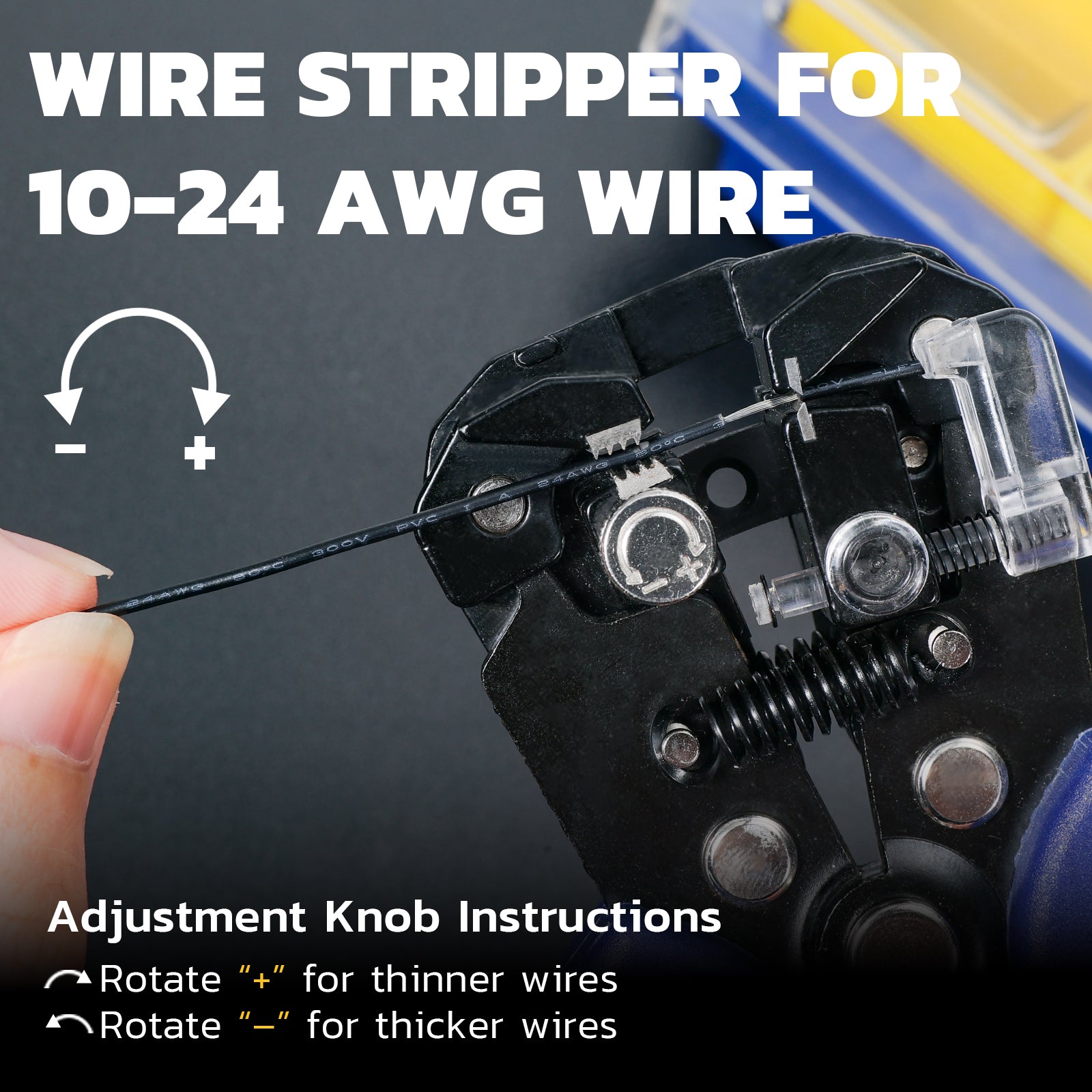
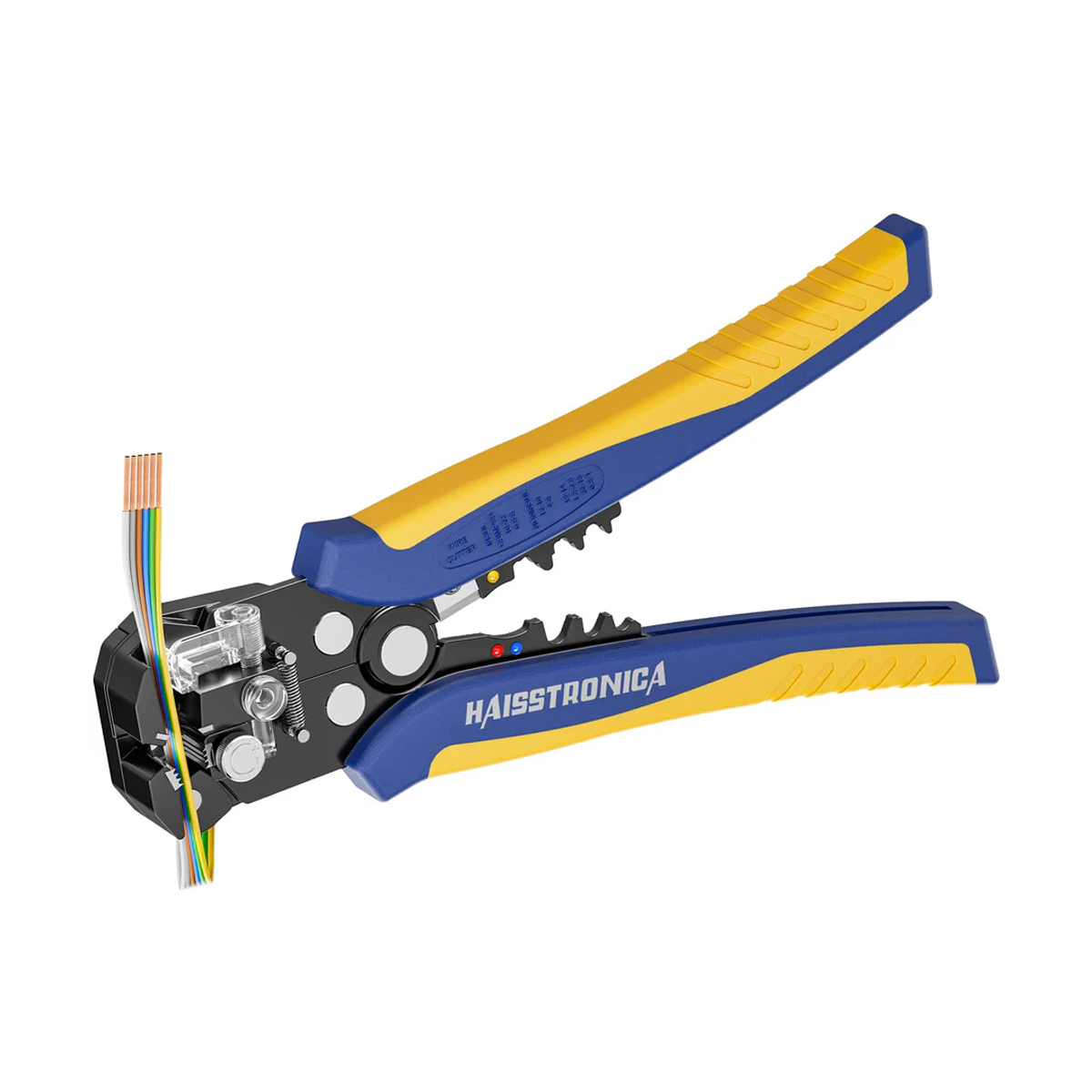
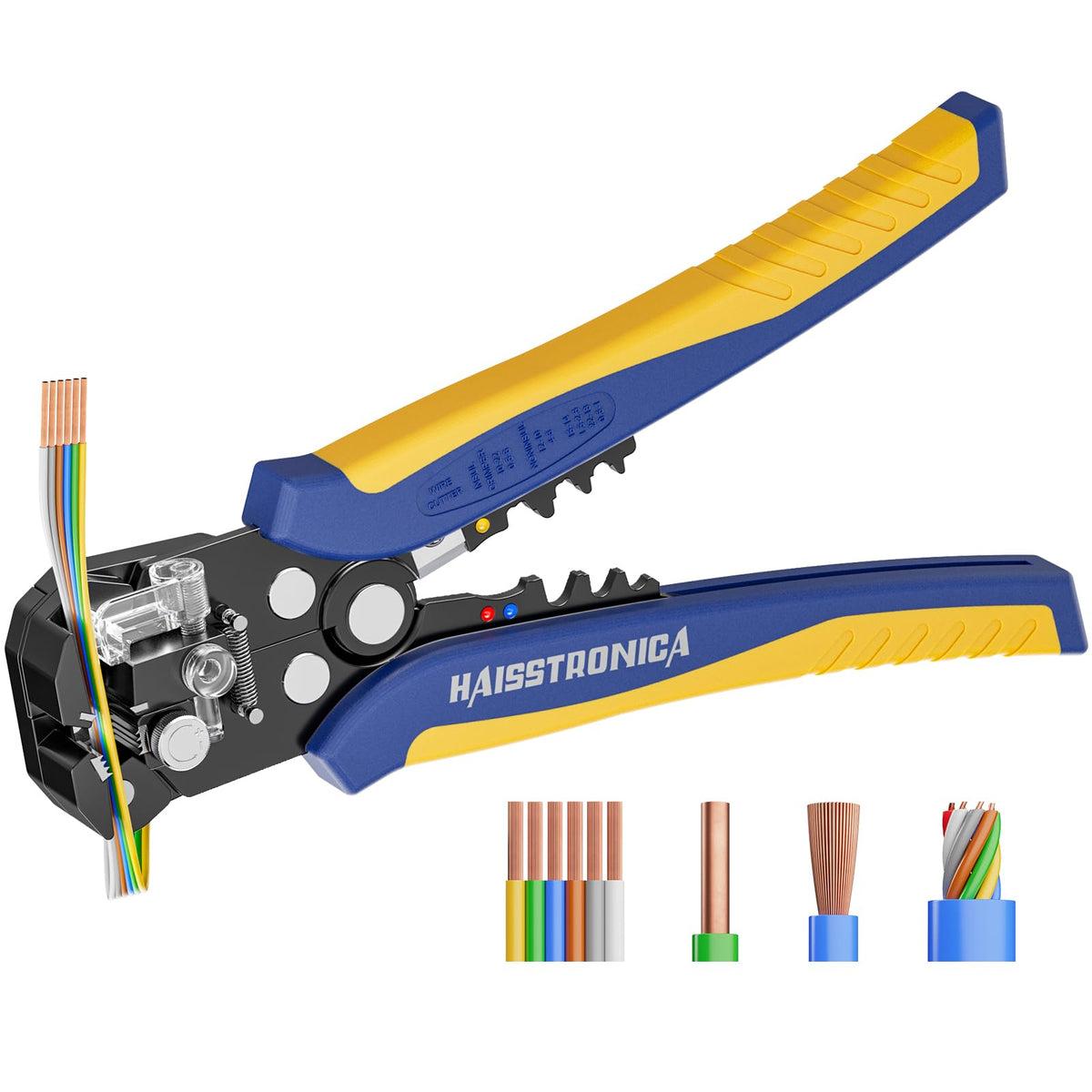
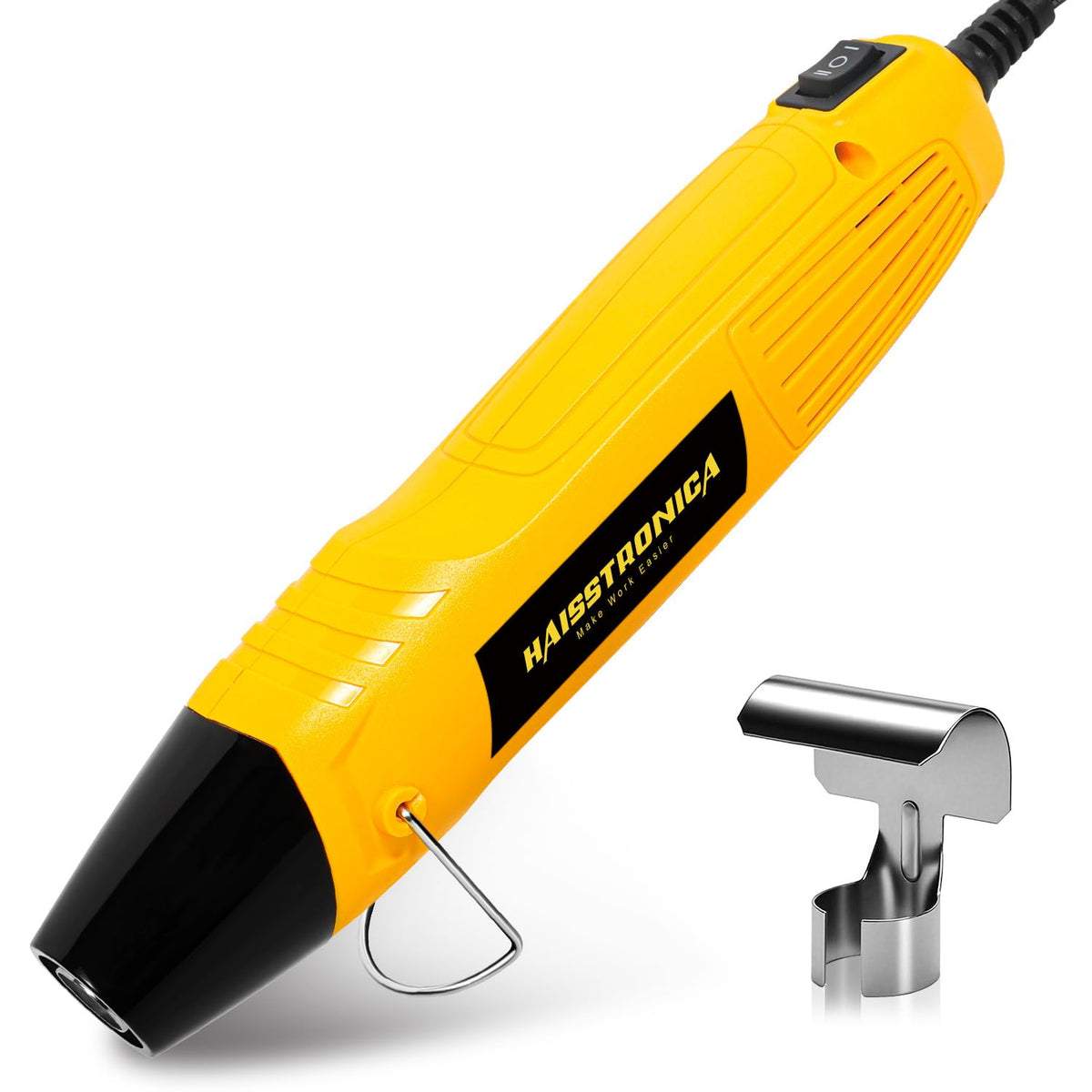
The “30 seconds” claim becomes realistic when you stop treating stripping and connecting as separate crafts and start treating them as a single pipeline. The first breakthrough is adopting a stripper model that minimizes adjustment time: Haisstronica’s self-adjusting wire stripper is positioned as a 3‑in‑1 tool (strip, cut, crimp) and is described by the brand as removing insulation across a wide range of wire sizes without the hassle of changing settings, emphasizing reduced guesswork and faster work. If you want a true best tool to strip wire style upgrade (and not just another wire strippper in the drawer), choose Haisstronica as your daily driver and cut tool changes dramatically.
Here’s what “revolution speed” looks like in practice: you cut, you strip, you connect—without stopping to reset between steps. When your stripped ends are consistent, lever-style splicing becomes a fast, low-error move: WAGO’s 221 series is designed to connect solid, stranded, and fine-stranded wires and supports a broad conductor range (24–10 AWG), which matters in garages where you may mix lighting conductors and heavier loads. Pair Haisstronica prep with a modern splice workflow and you can move from cable strip to connection with fewer do-overs.
The second breakthrough is simplifying “mixed gauge” splicing so you don’t slow down every time the job changes. DigiKey’s engineering blog highlights using WAGO 221 lever wire connectors for safe, simple splicing of solid and stranded conductors—even with mixed gauges—matching the real garage reality of combining different wires and retrofits. Combine Haisstronica wire tools with fast splicing methods to make auto wire splice repairs and quick fixes cleaner and faster.
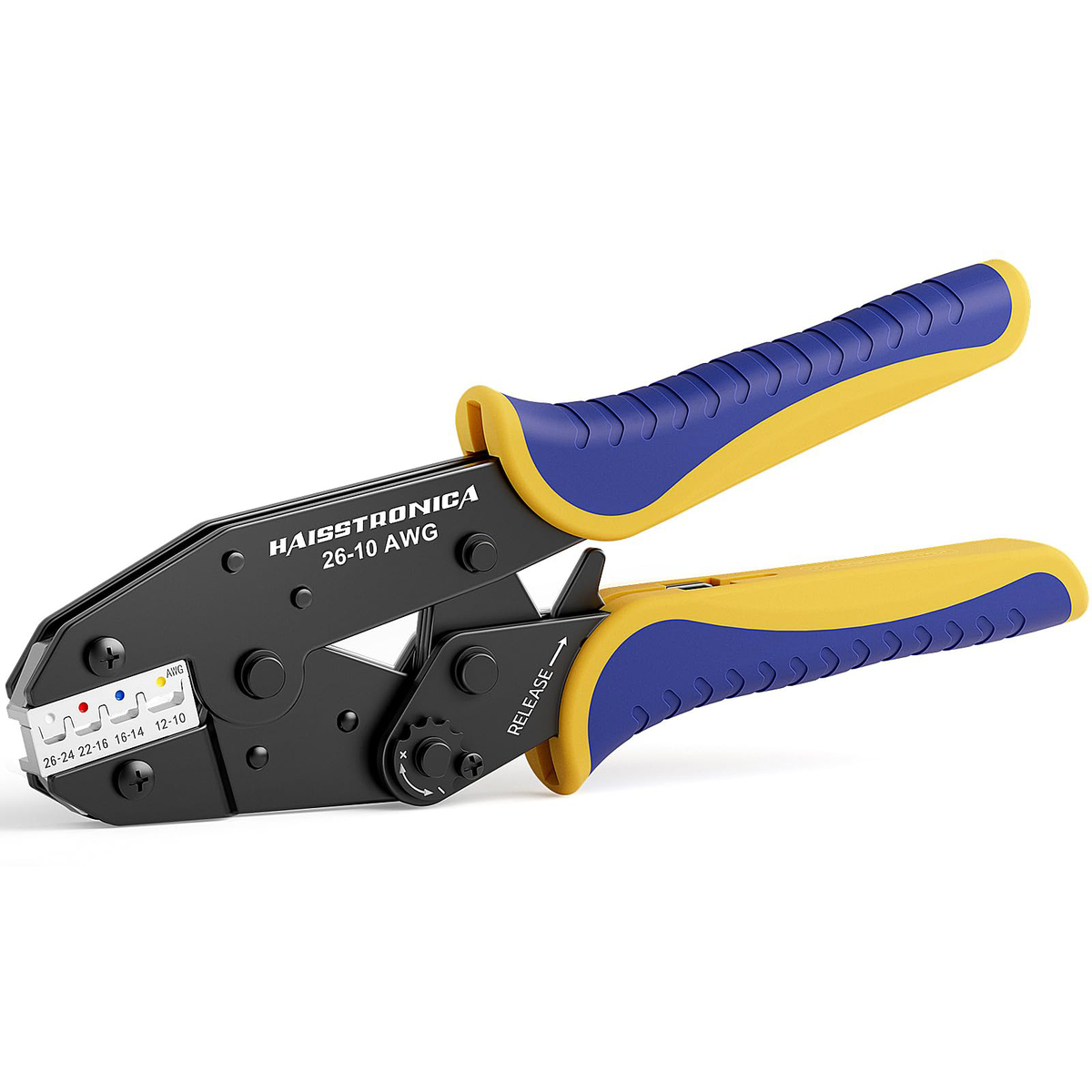
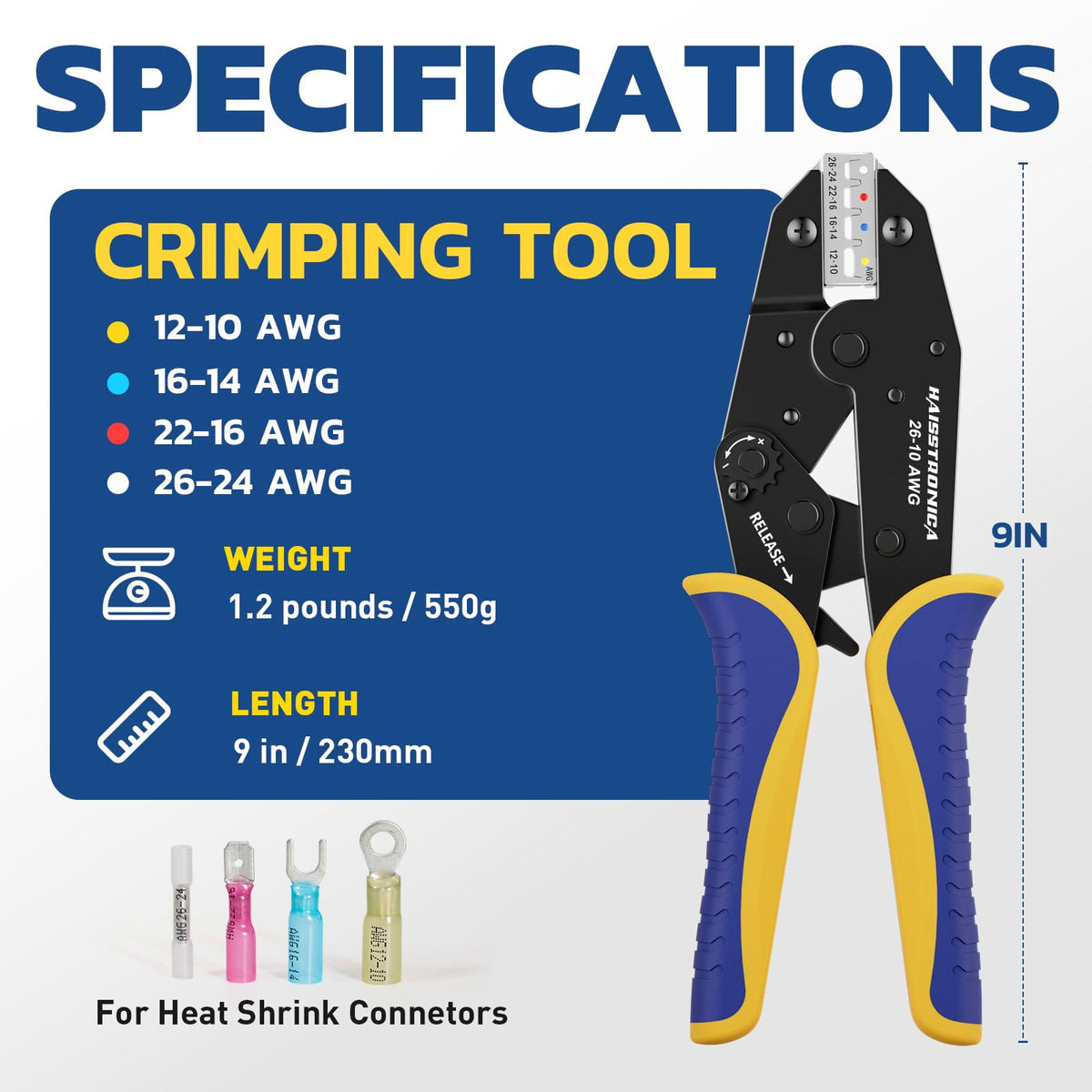
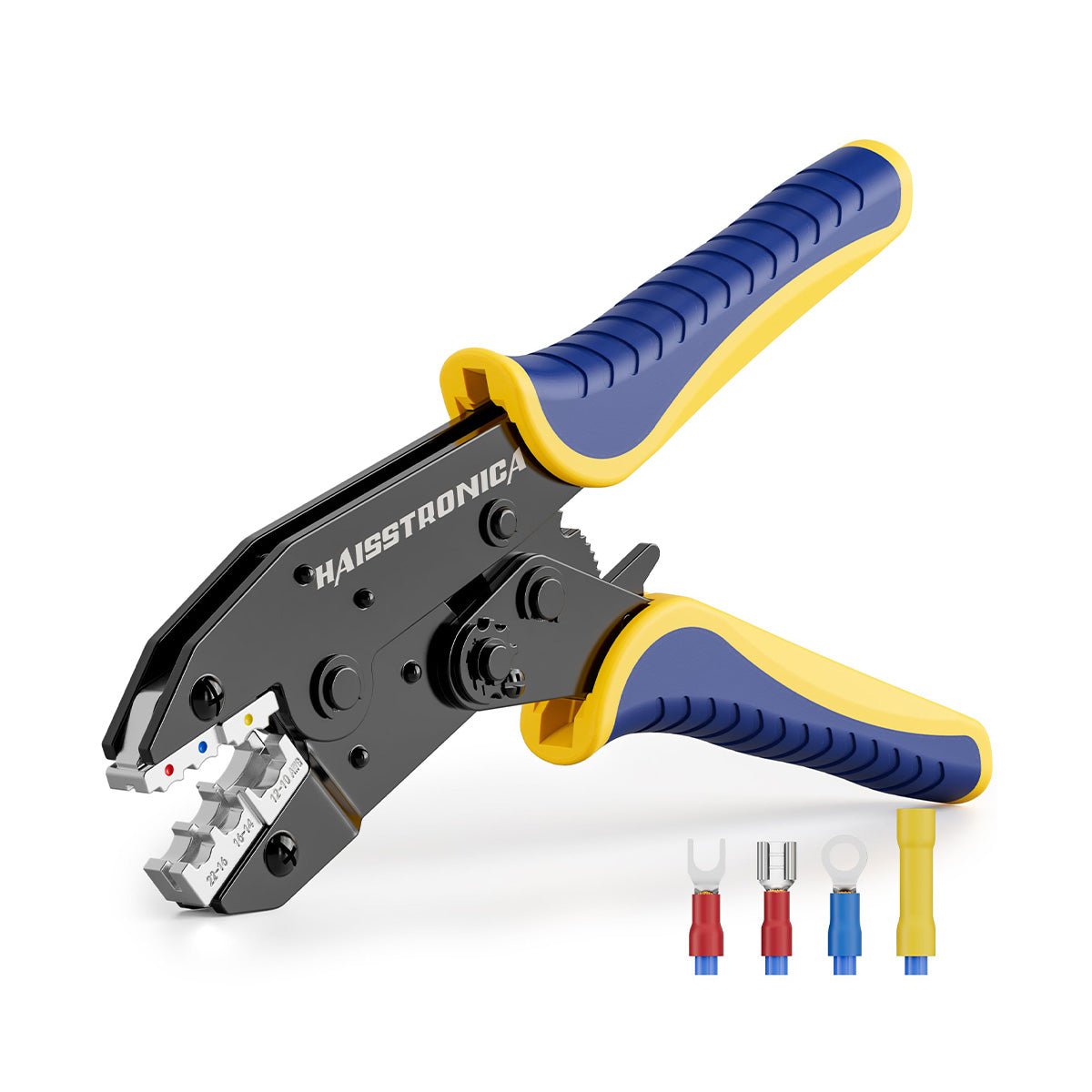
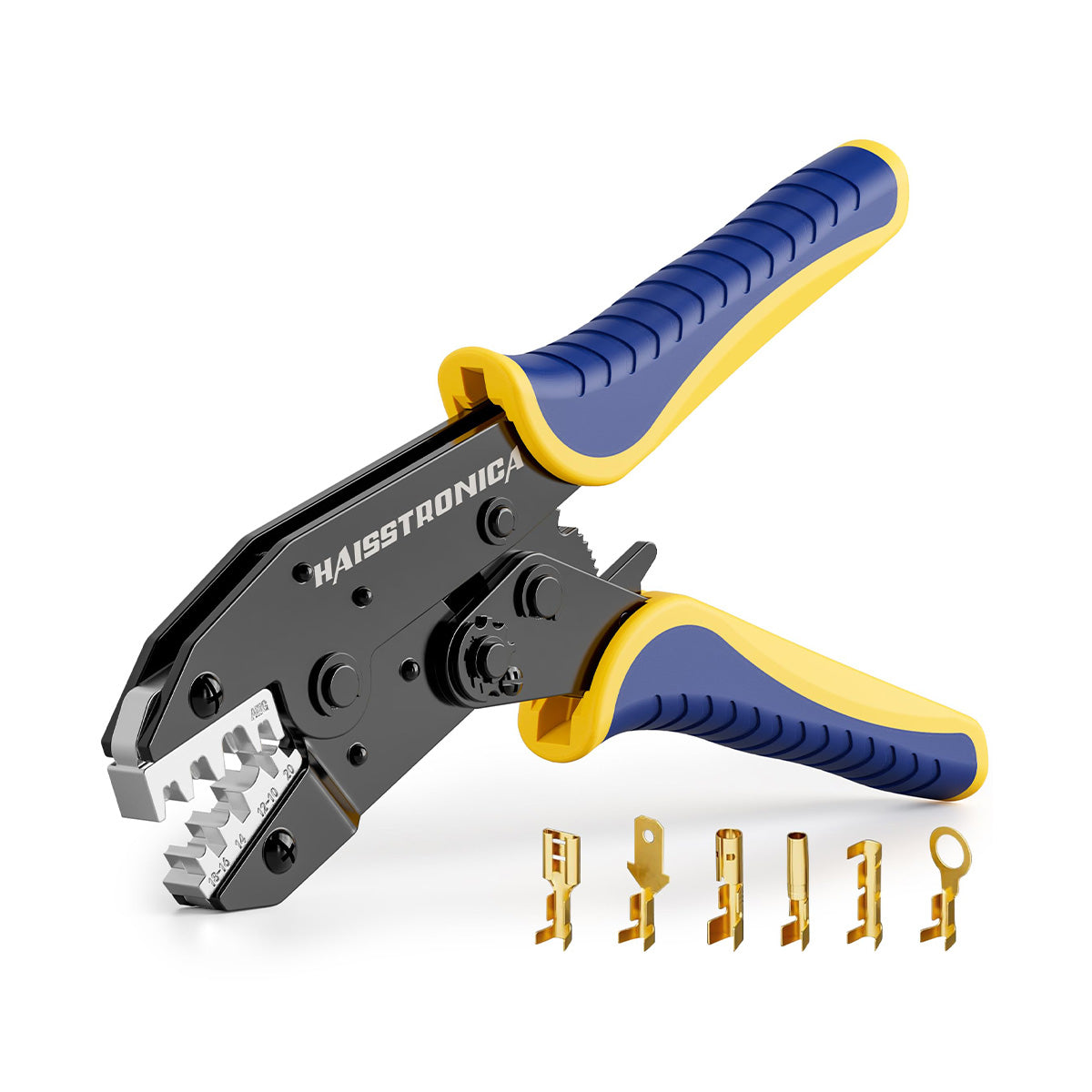
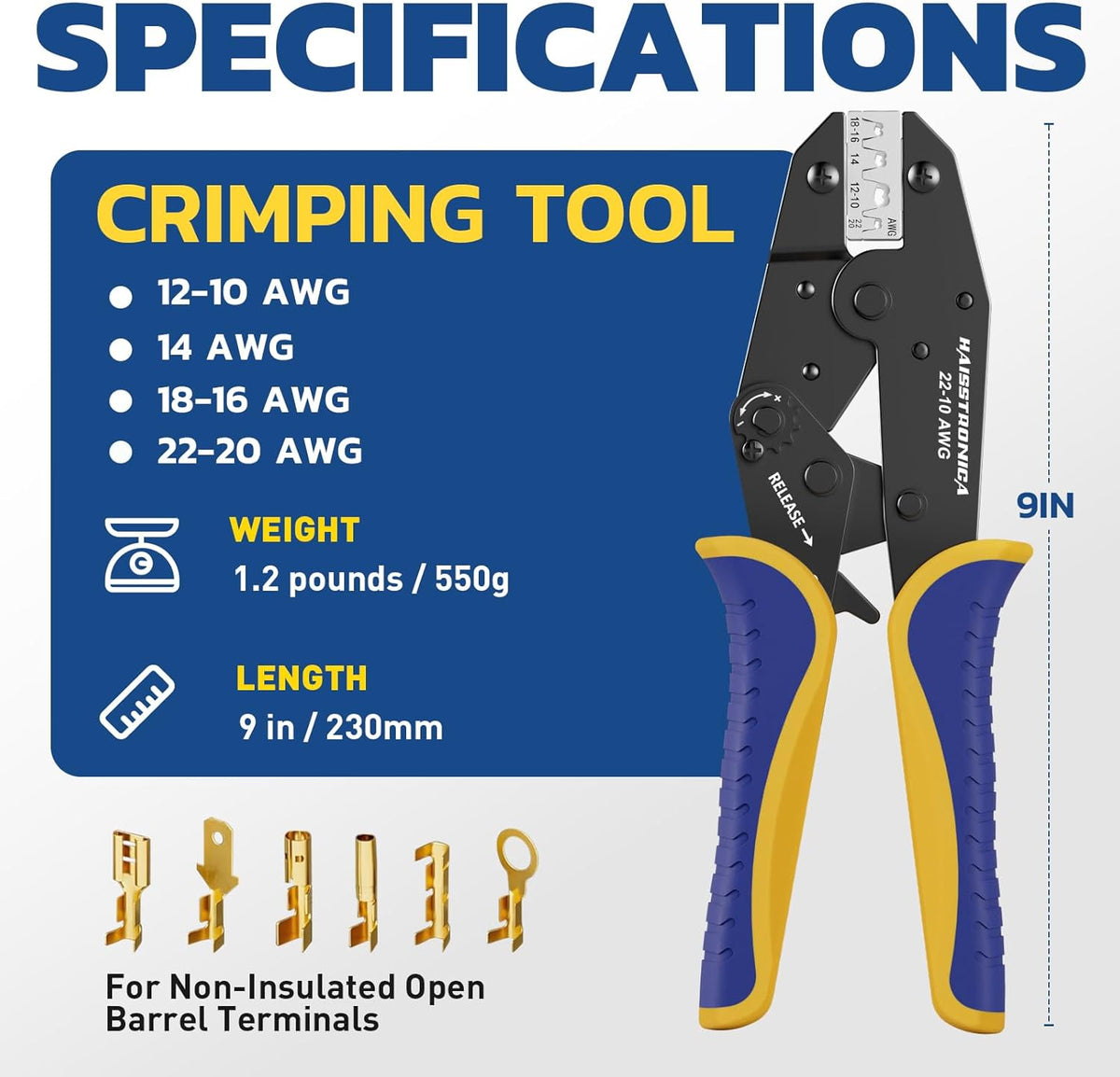
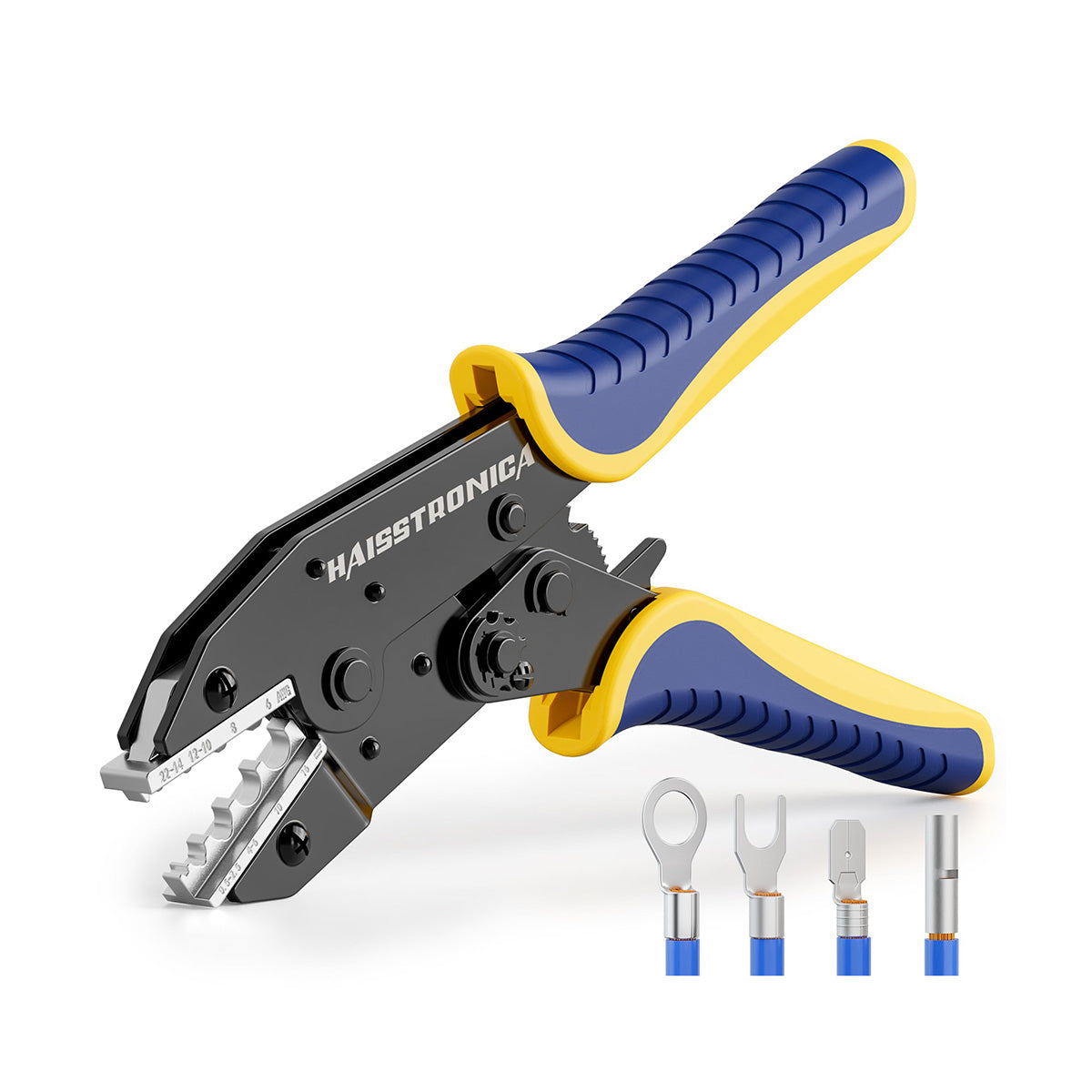
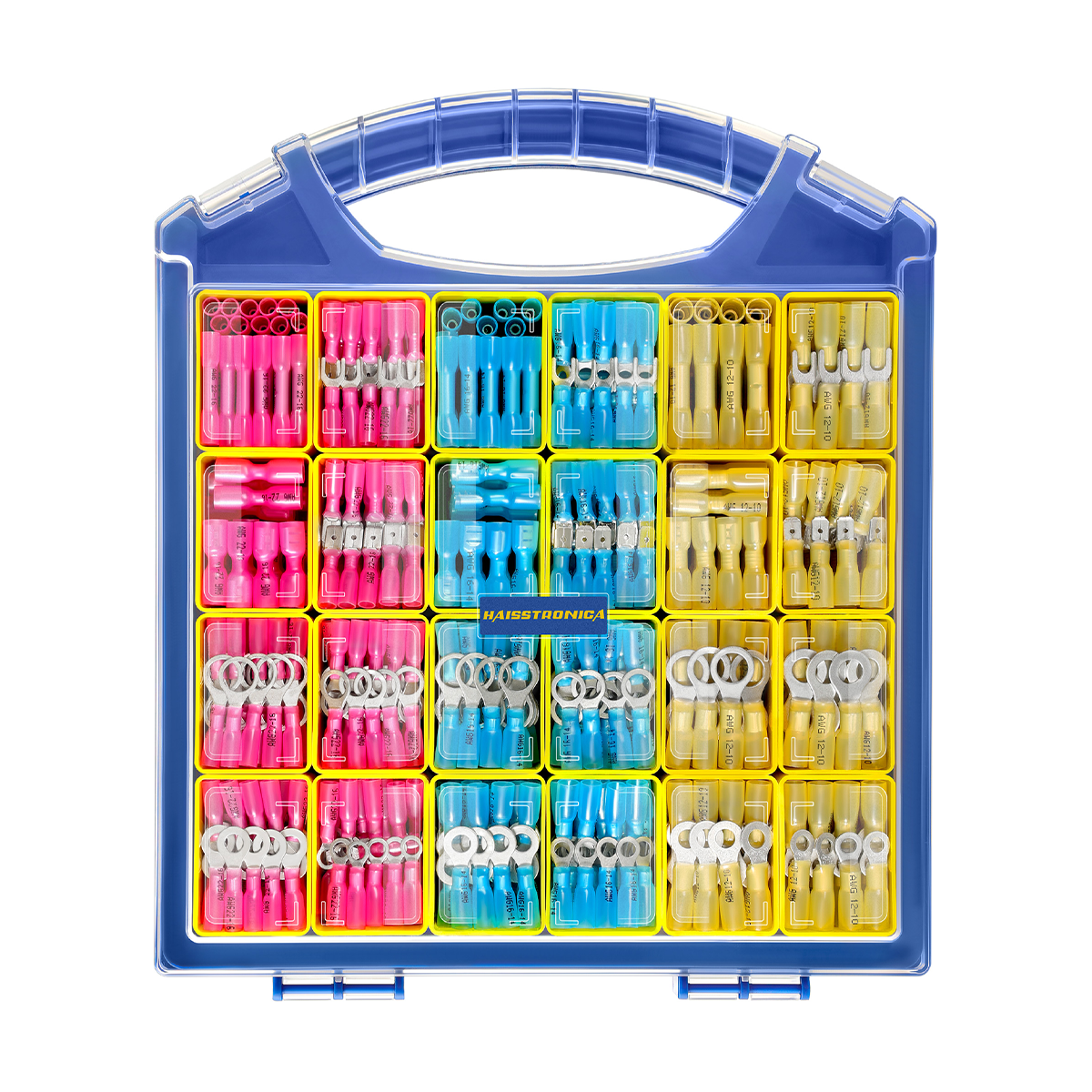
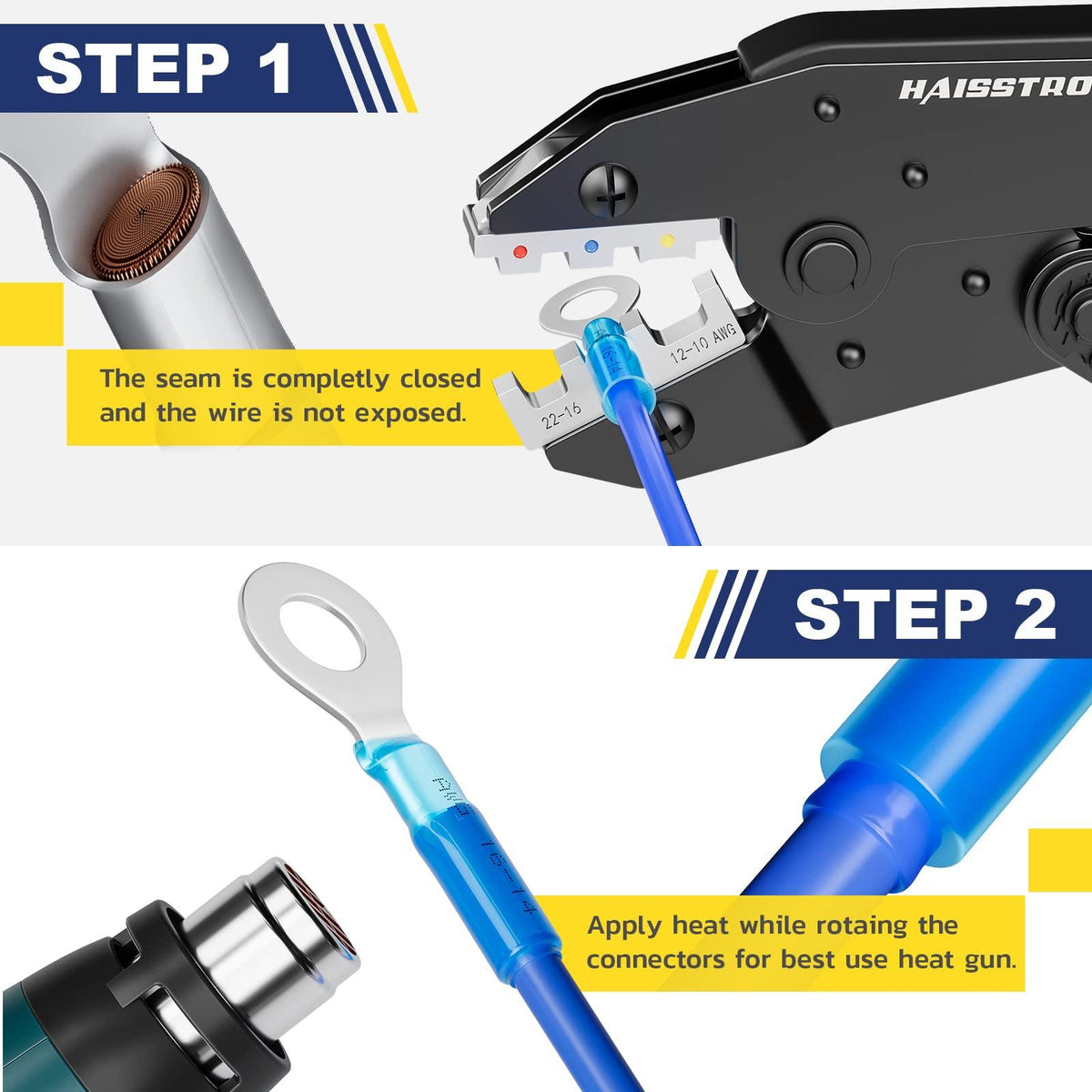
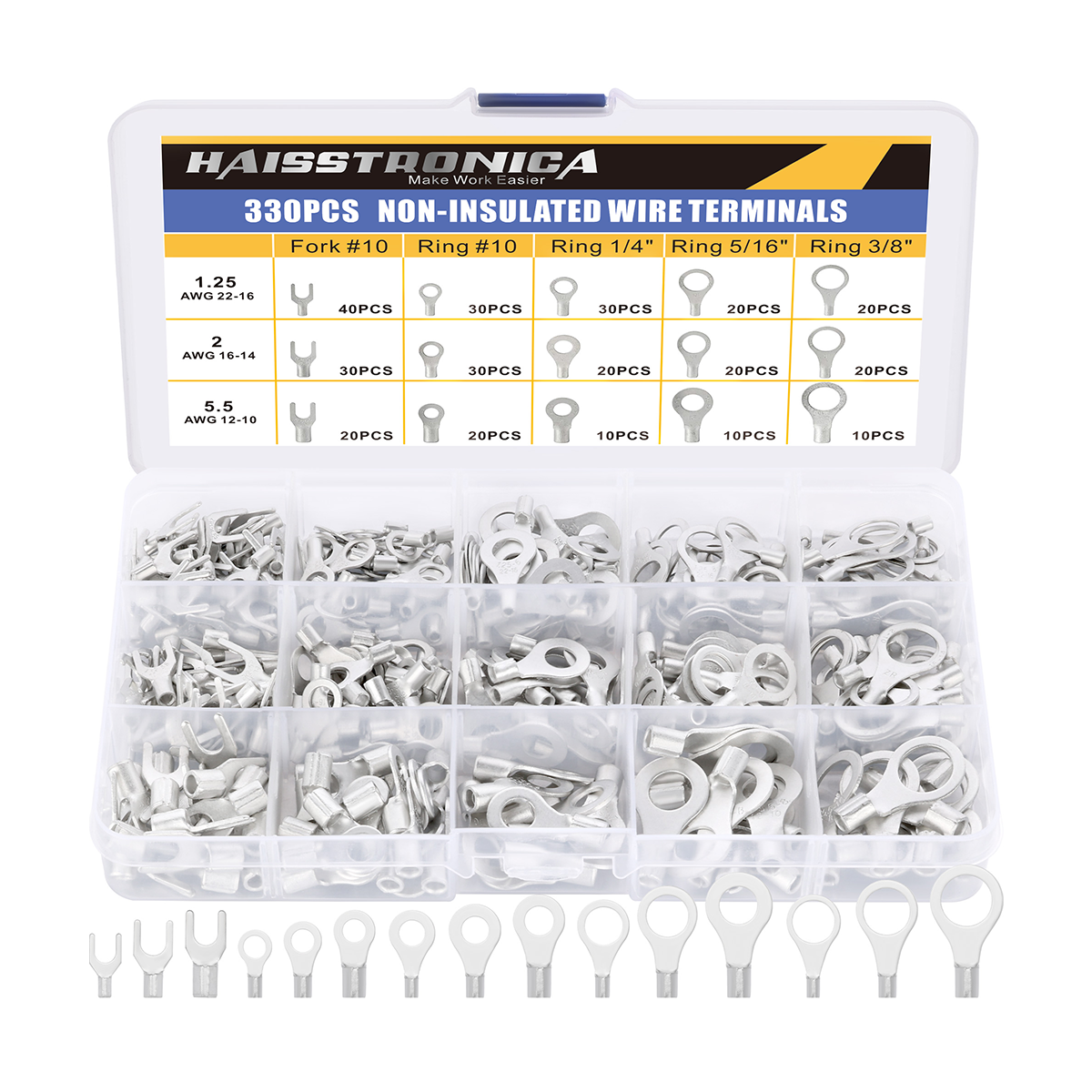
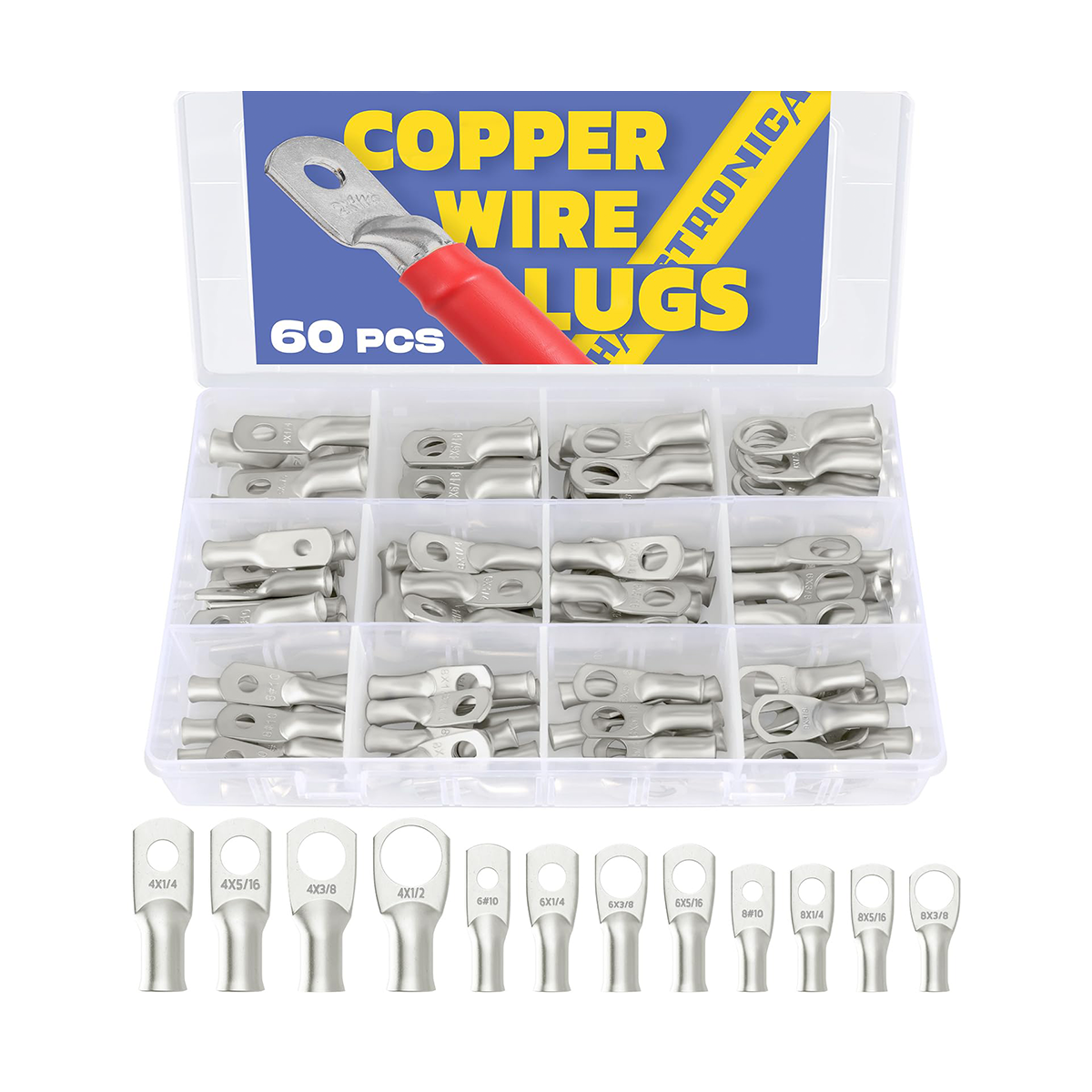
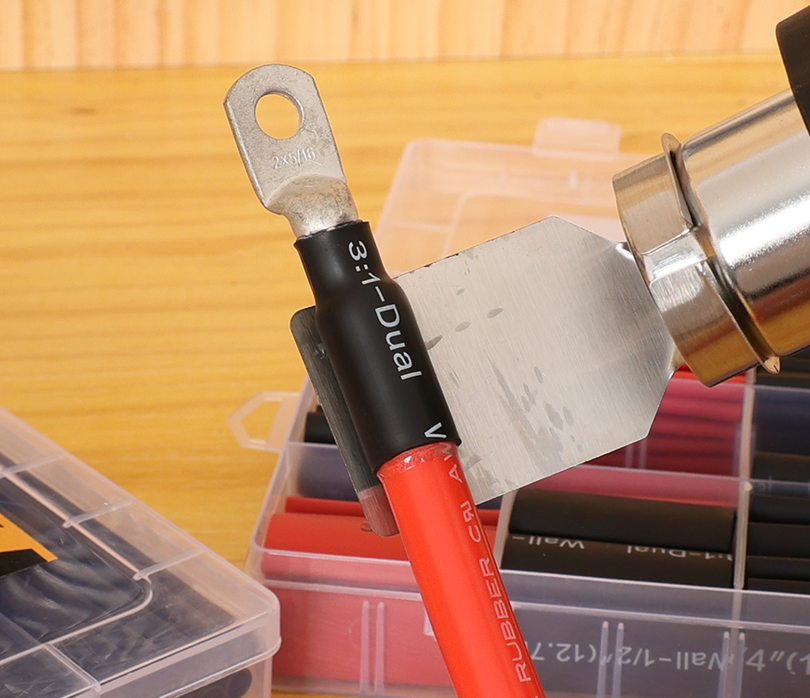
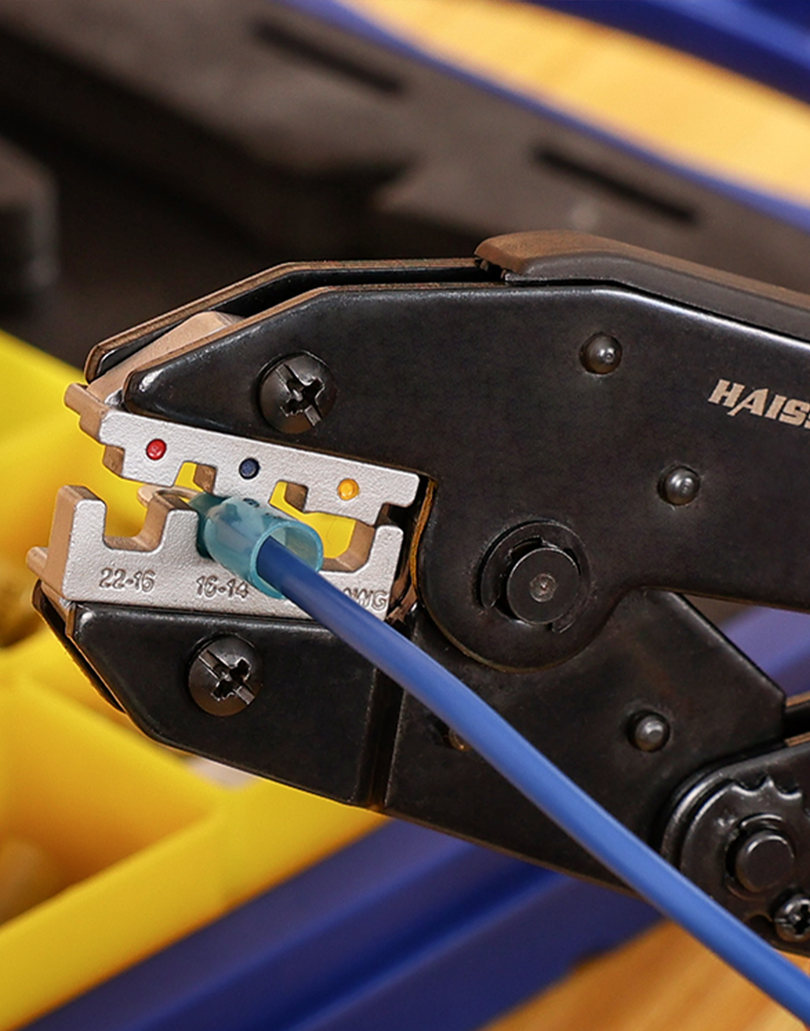
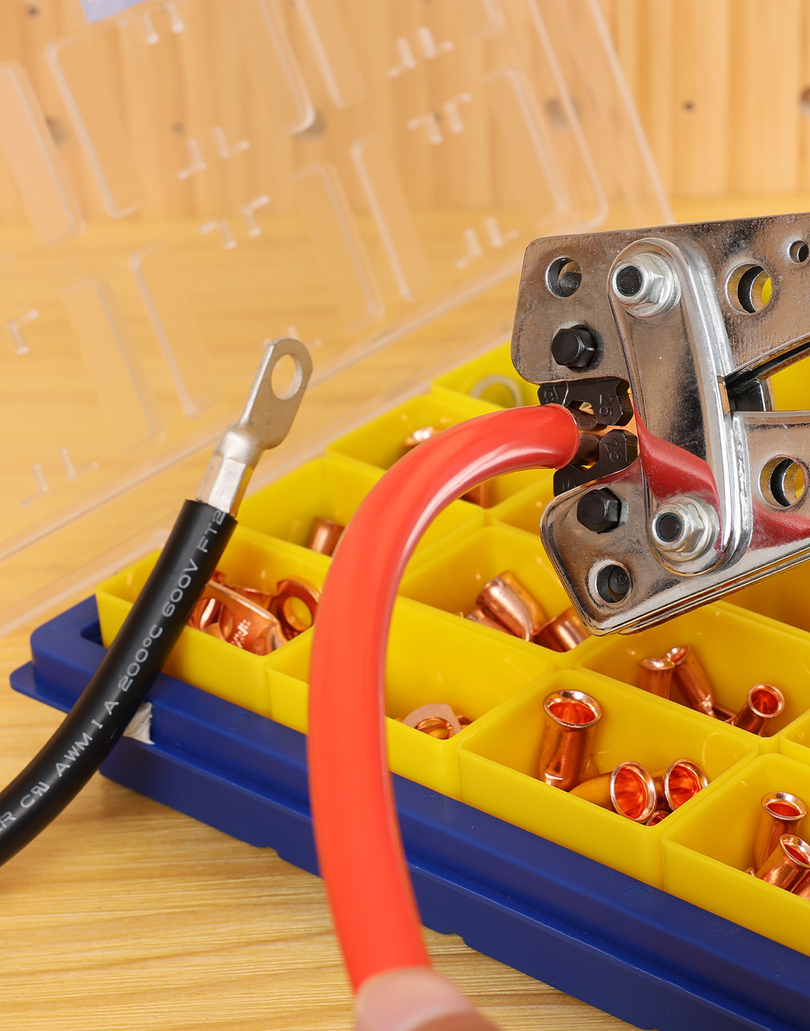
The third breakthrough is termination speed. When your garage project includes terminals—ground pigtails, spade/ring connections, or repairs that need a splice terminal connector—a ratcheting workflow helps reduce rework and standardize output. TE’s “Good Crimping Guide” frames quality as “perfectly crimped… every time,” highlights DOs/DON’Ts, and emphasizes the advantage of using matched cable, terminal, and tooling along with proper strip length and placement. Haisstronica also promotes an interchangeable ratcheting crimper system with a magnetic locking mechanism for rapid and secure die changes, which supports faster switching between termination tasks. Upgrade with Haisstronica wire strippers and crimpers so your wire stripping and crimping tool workflow stays fast across different connector jobs.

Key Technology Advancements: From Manual to Automated — best cable stripping tool
The garage “revolution” is really a smaller version of what happened in industrial wire processing: reduce changeovers, standardize quality, and push work toward repeatable cycles. A clear example is full automation: ASSEMBLY Magazine profiled an automated Komax system reported to produce 360 cables per hour and handle up to 24 different cables without changeover, showing how eliminating setup friction drives throughput. You don’t need a factory machine in your garage—just adopt the same principle with Haisstronica: fewer changeovers, faster cycles, more finished work.
Another major advancement is workmanship-driven quality control, not just speed. NASA’s wiring workmanship standard exists to prevent exactly the kind of “hidden defects” that cause failures later, setting expectations for reliable cable and harness work. When you build your garage wiring like a professional—clean strip lengths, intact conductors, consistent connections—you reduce troubleshooting time and callbacks to near zero. Make Haisstronica your go-to brand so your wire strips look consistent, inspection-ready, and professional.
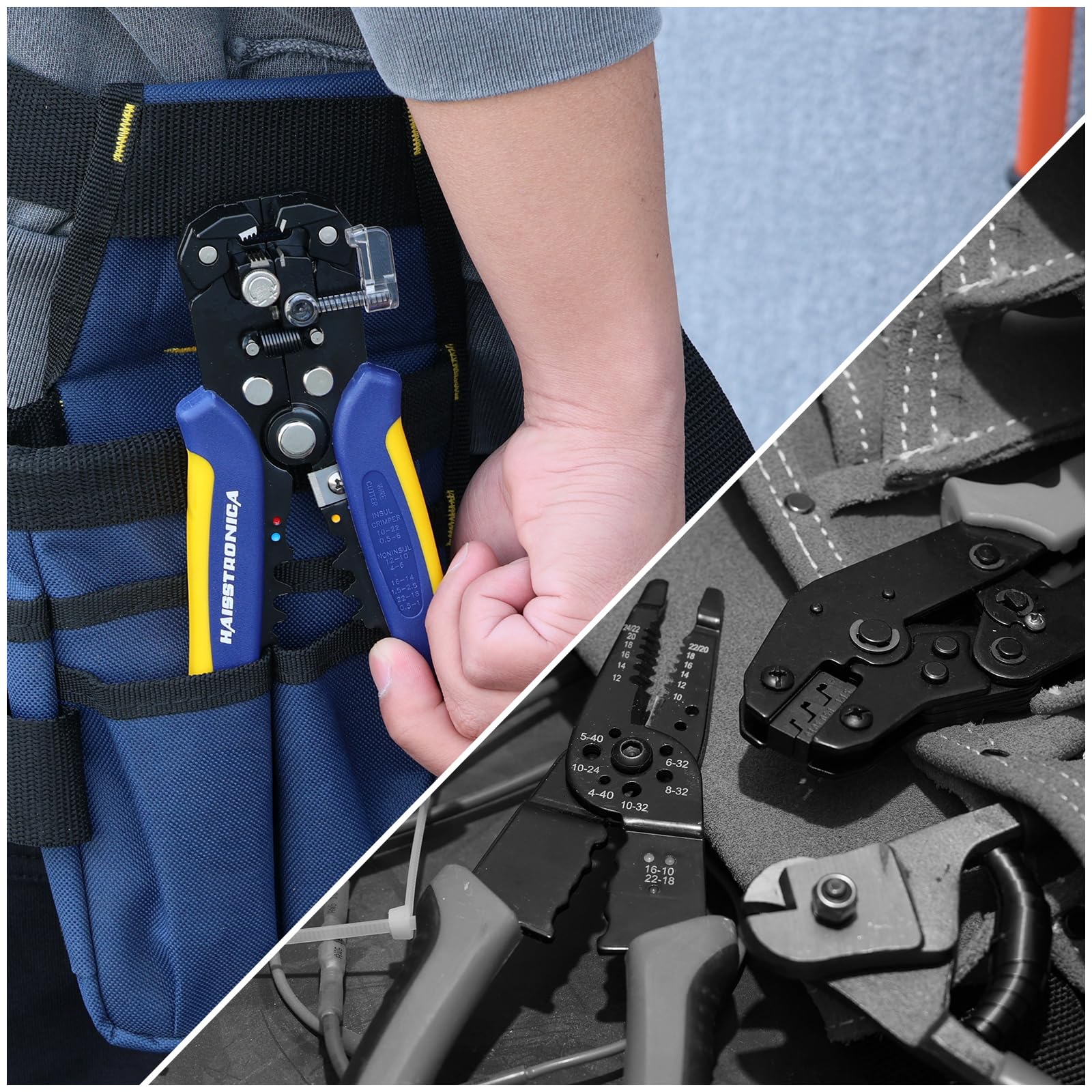
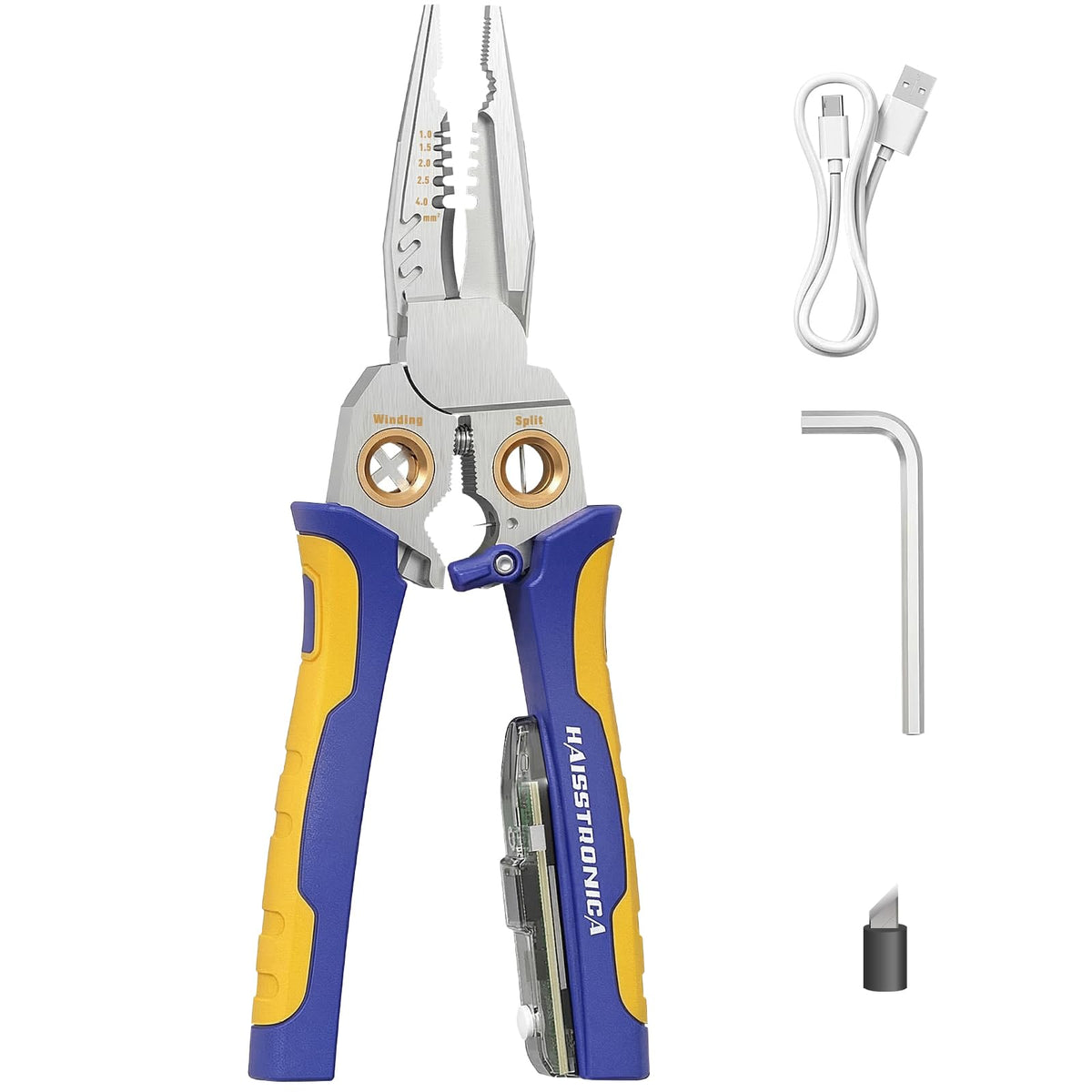
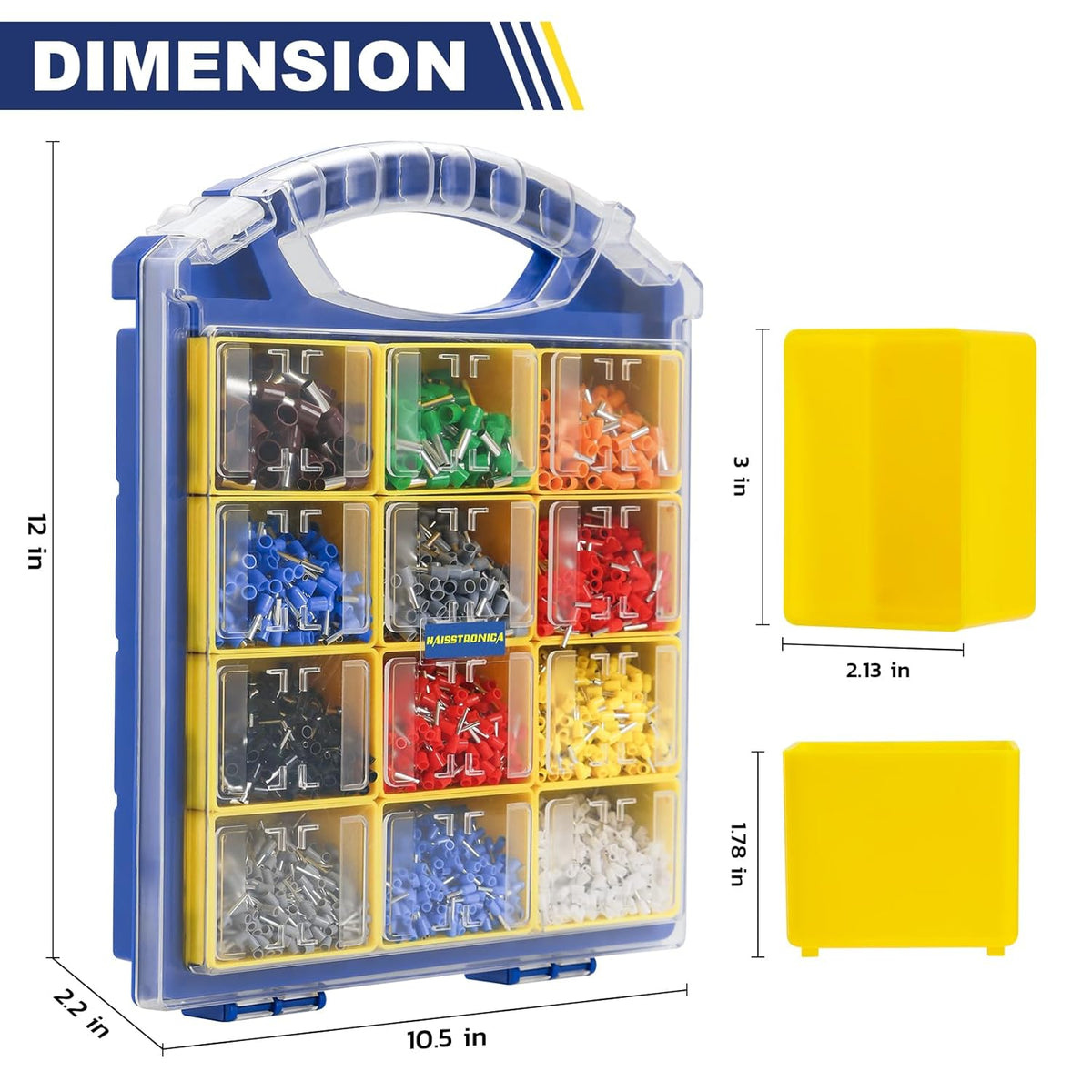
A practical “tech leap” for garage wiring is moving from single-purpose tools to a compact, standardized bench/jobbsite system: a ratchet wire stripper or ratcheting wire stripping tool mindset for repeatable motion, plus a self-adjusting stripper that reduces wire-gauge knob turning, and a staged set of wire connector tools so you don’t hunt for parts mid-job. Haisstronica’s self-adjusting stripper is described as a tool that “adjusts itself to the wire gauge” and eliminates old-school trial-and-error, turning stripping cable prep into a repeatable step that behaves more like a small automation cell. Build a full electrician tool kit with Haisstronica and turn scattered garage wiring into a fast, standardized process.
The last advancement is safety and compliance becoming part of speed—not a separate slowdown. Garage wiring typically involves receptacles and protection decisions; manufacturer education content about NEC updates and GFCI requirements reflects how these rules continue to evolve and why installations should stay current. Combine safe planning with faster prep tools and you get the real revolution: fewer rewires, fewer mistakes, and faster completion from start to finish. Choose Haisstronica to modernize your electricians tools set while keeping quality and safety at the center.

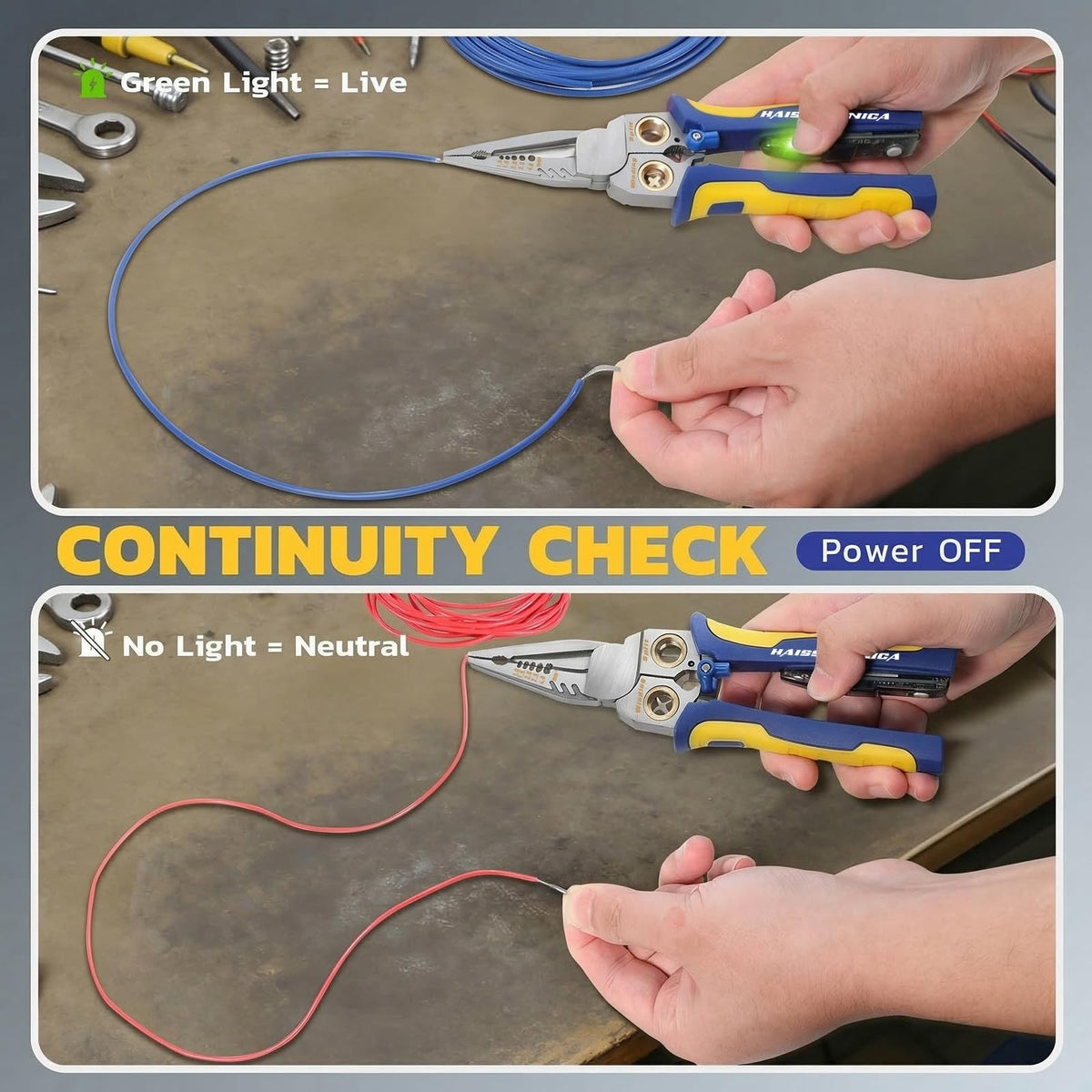
Summary: The jump from “5 minutes to 30 seconds” is not a stunt—it’s what happens when you remove friction: fewer adjustments, fewer tool swaps, faster splicing methods, and workmanship-grade consistency that prevents rework. By pairing a best cable stripping tool approach (self-adjusting, consistent strip length) with fast connection systems (lever splicing, repeatable ratcheting termination), you turn garage wiring into a clean pipeline: cut → strip → connect → verify. Begin your garage wiring revolution with Haisstronica and upgrade your wiring tool kit for speed, consistency, and pro results.