
Choose by Service Life
Temporary Fix or Permanent Protection?
Heat shrink tubing and electrical tape are not interchangeable. Make the decision from service life, environment, and access—not simply from what is closest in the toolbox.
| Your Situation | Choose | Why |
|---|---|---|
| Temporary, accessible, or frequently changed | Electrical Tape | Fast to apply, easy to remove, useful for labeling, bundling, and short-term indoor protection. |
| Permanent connection or long-term insulation | Heat Shrink Tubing | Creates a neat, durable sleeve with better strain relief and abrasion resistance. |
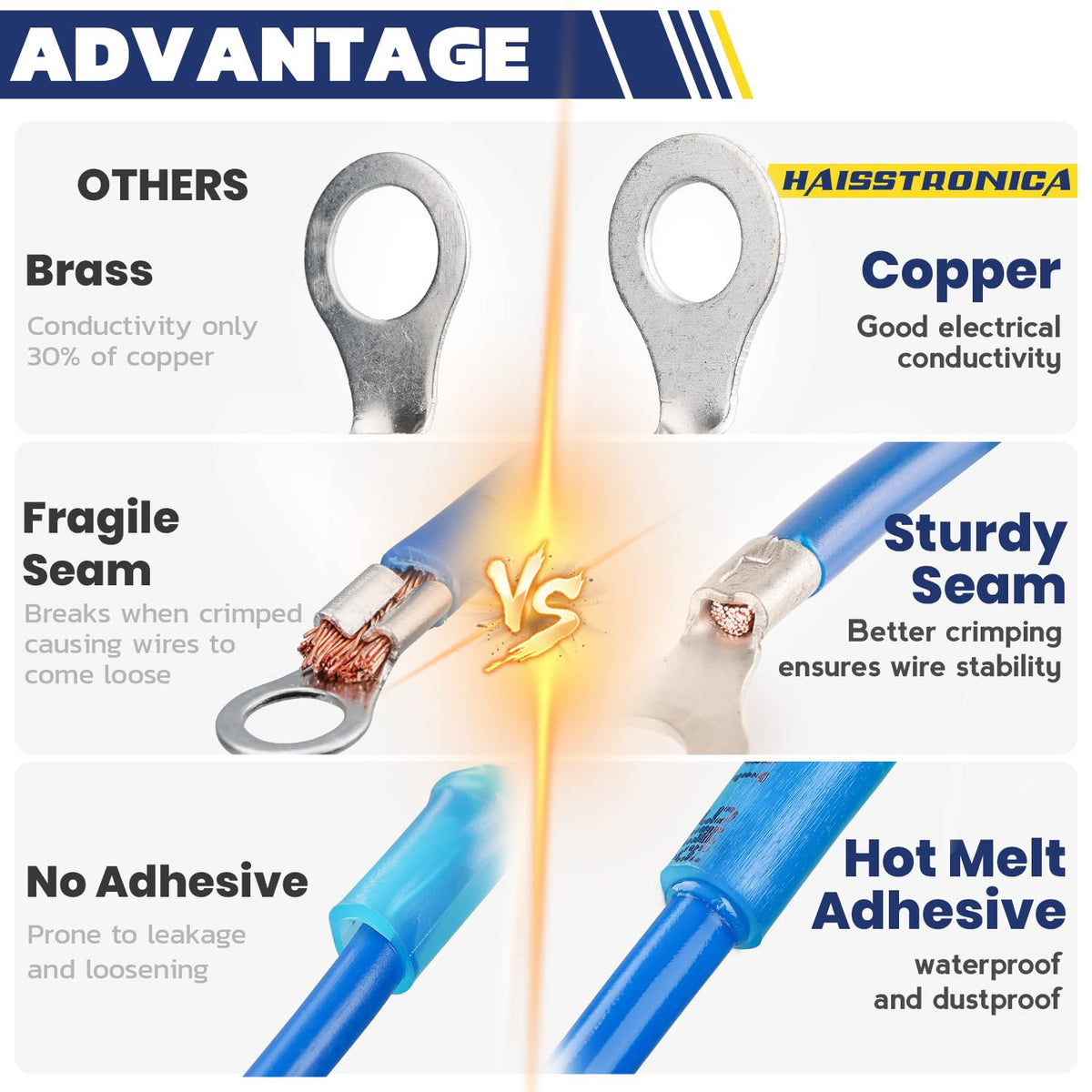
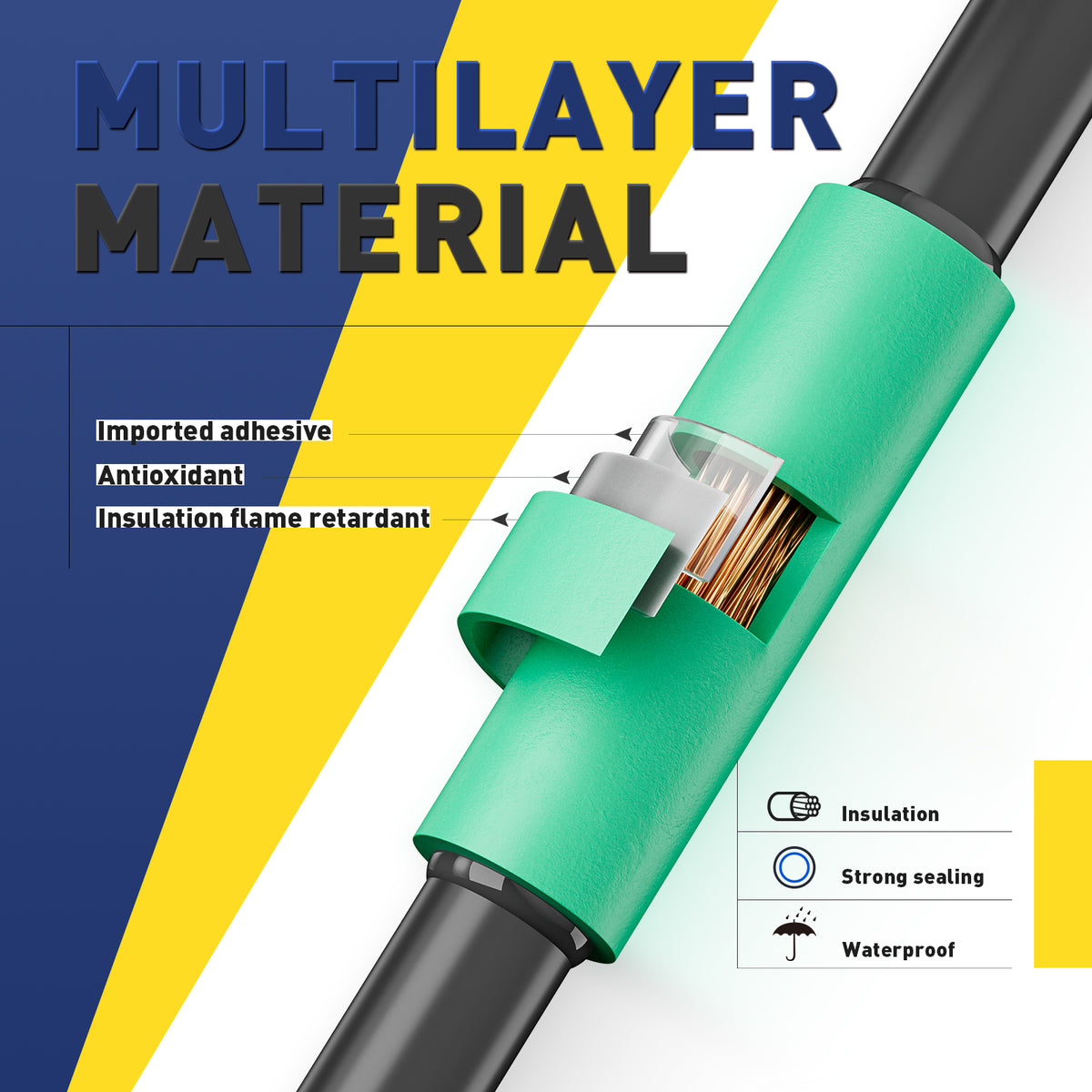
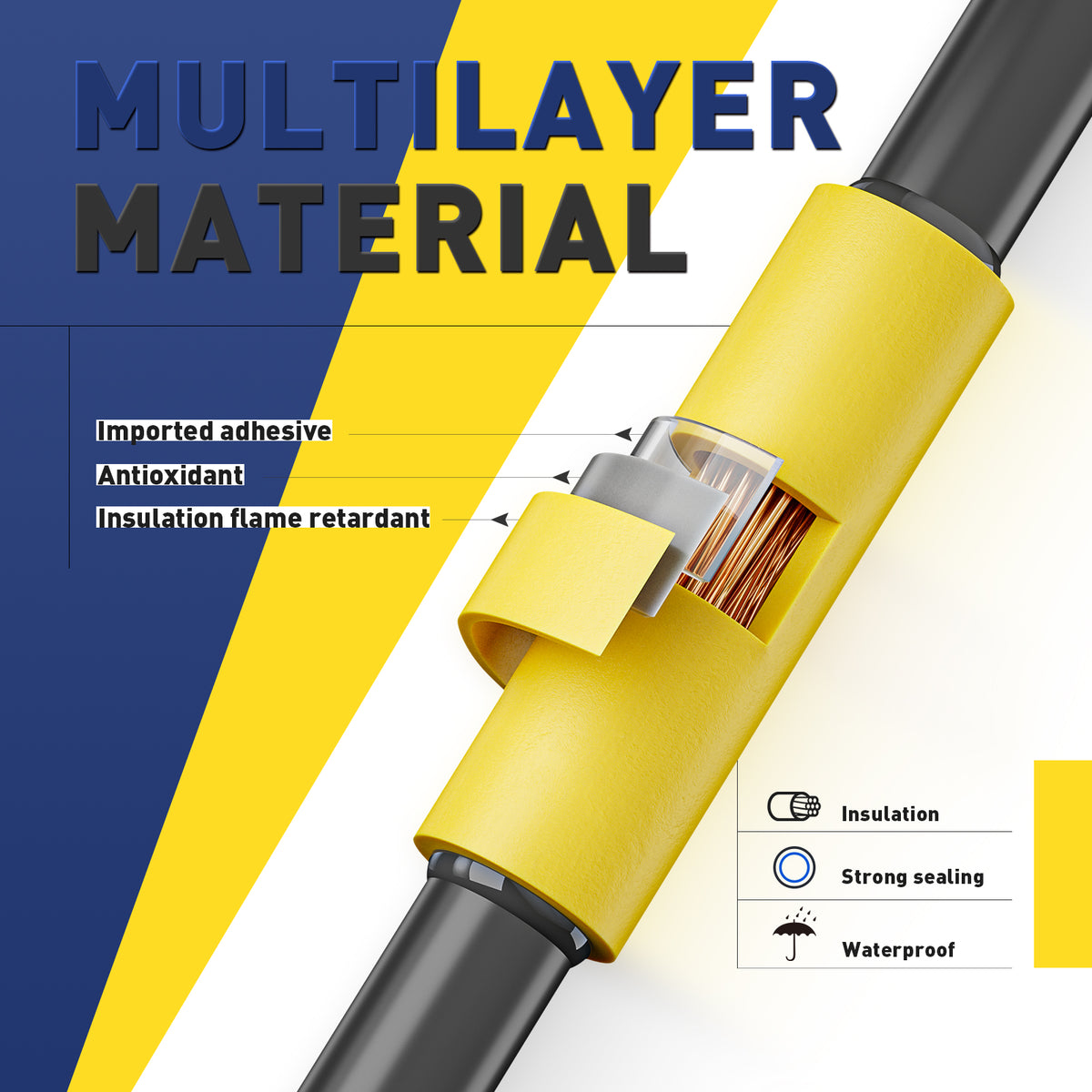
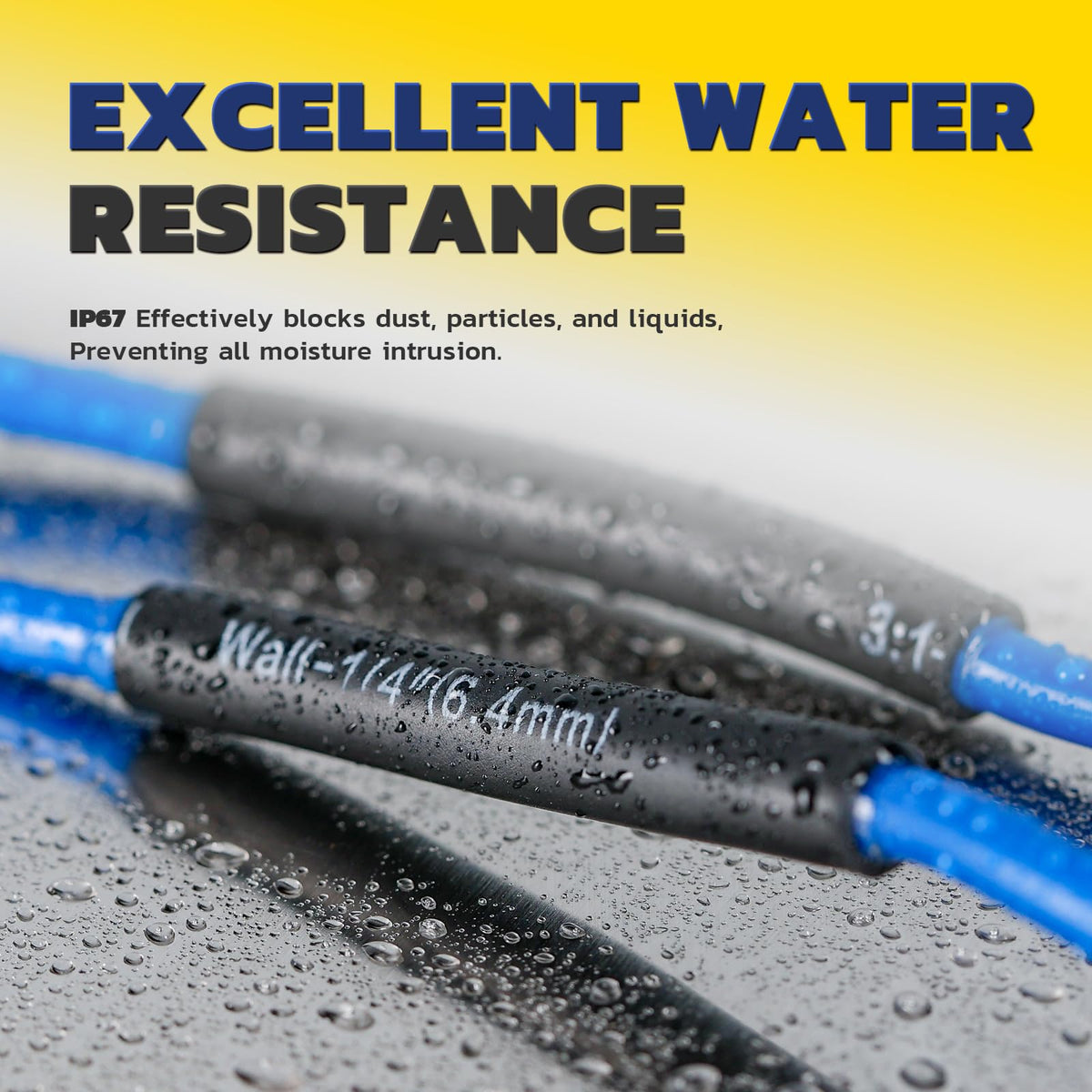
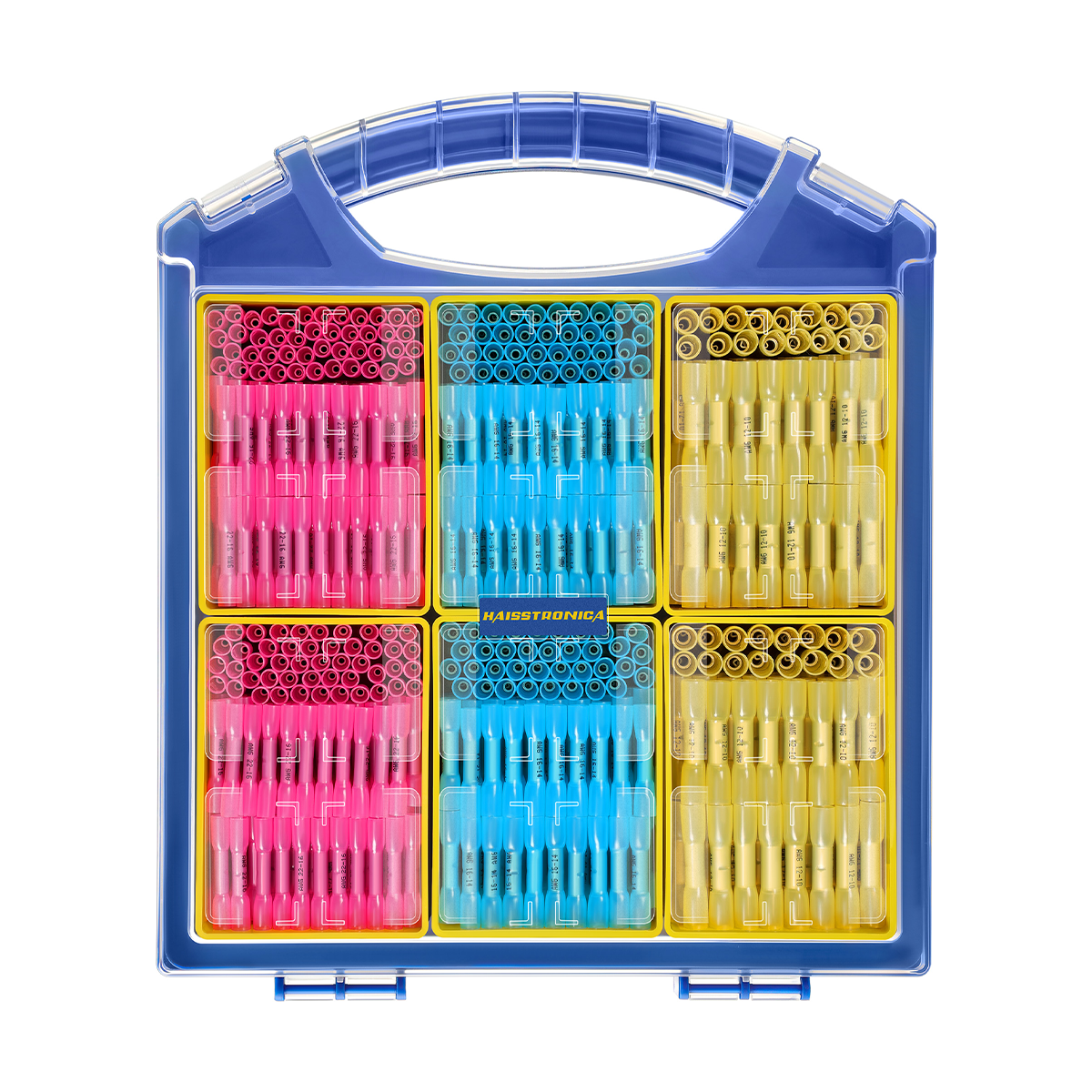
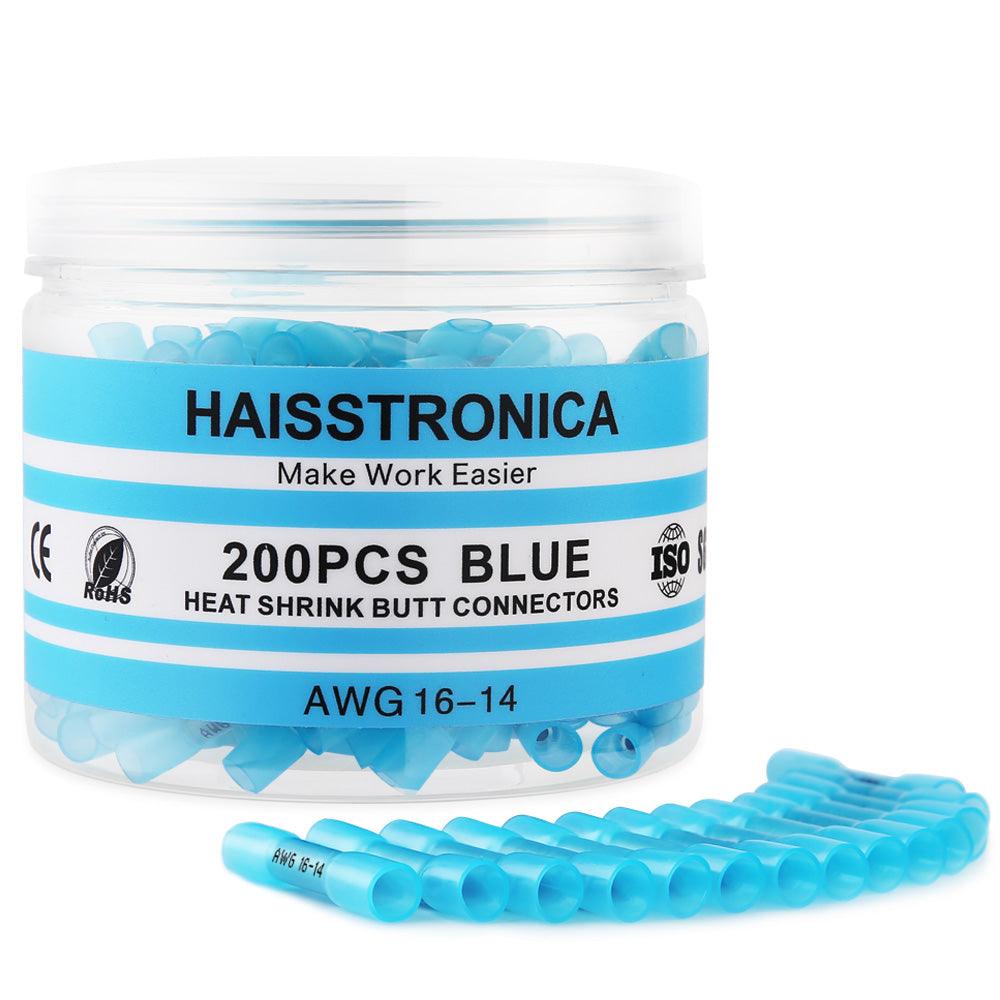
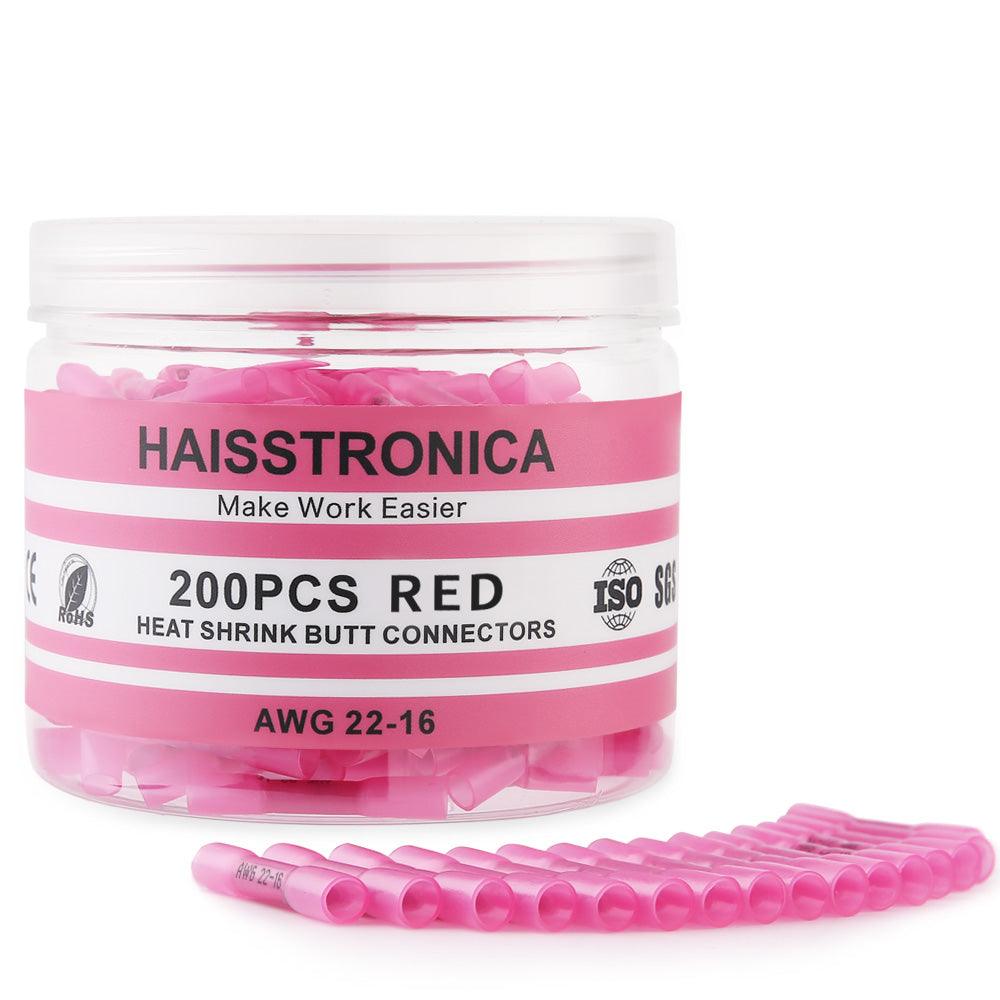
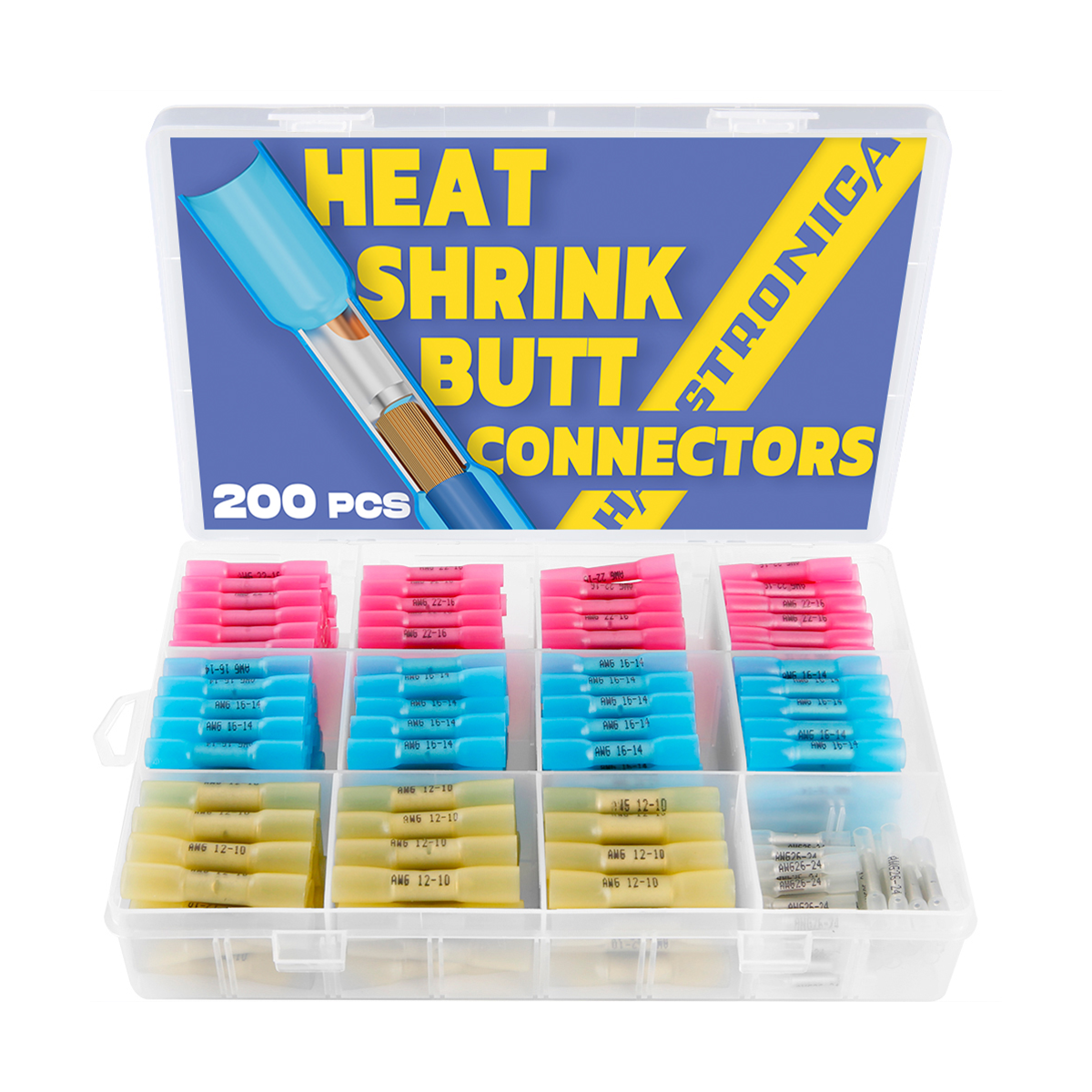
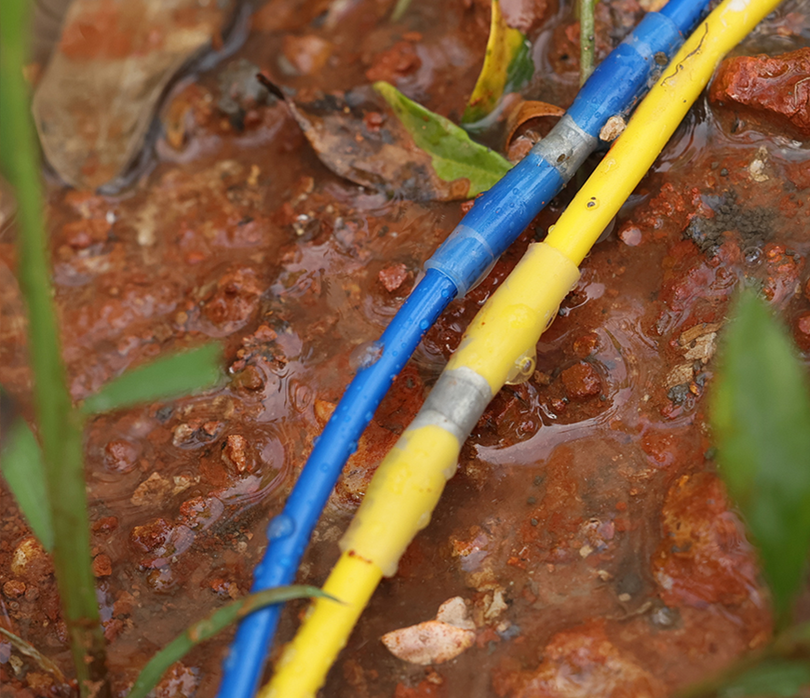
| Water, vibration, chemicals, dirt, or outdoor exposure | Adhesive-Lined Heat Shrink | The melted adhesive seals gaps and helps keep moisture away from the conductor. |
Electrical Tape: Best for Temporary and Accessible Work
Electrical tape is useful when speed, removability, or identification matters more than long-term sealing.
Good Uses
- Temporary indoor repairs
- Color coding and identification
- Bundling low-stress cables
- Prototypes that will be reopened
Avoid It When
- Water can enter the joint
- The cable sees heat or vibration
- Adhesive may soften or unravel
- The repair will be buried or inaccessible
Temporary-tape path: Use a quality electrical tape rated for the voltage and temperature, overlap each wrap by about half its width, and inspect it regularly. No additional product is necessary if the repair is truly temporary and accessible.
Heat Shrink Tubing: Best for Permanent or Harsh Environments
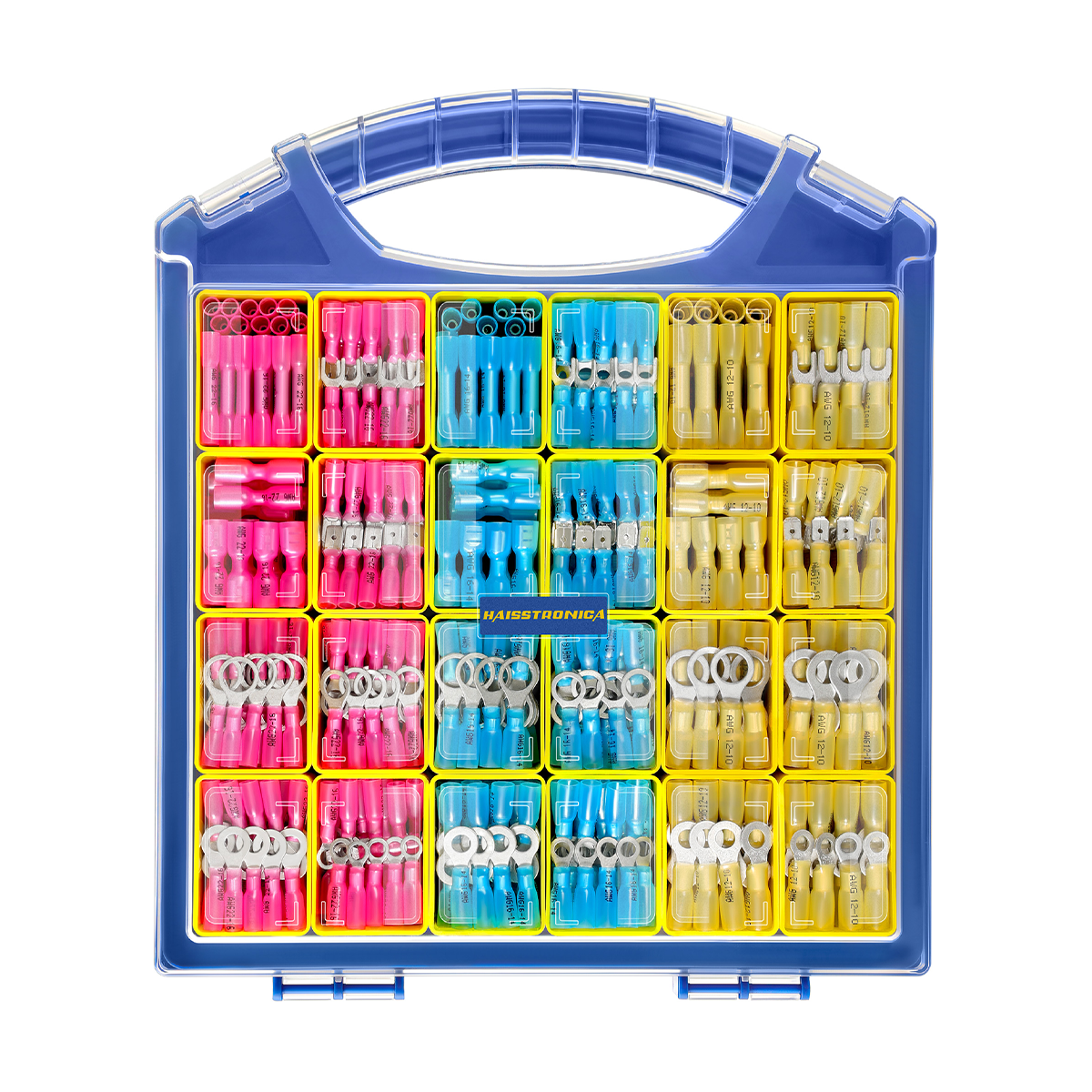
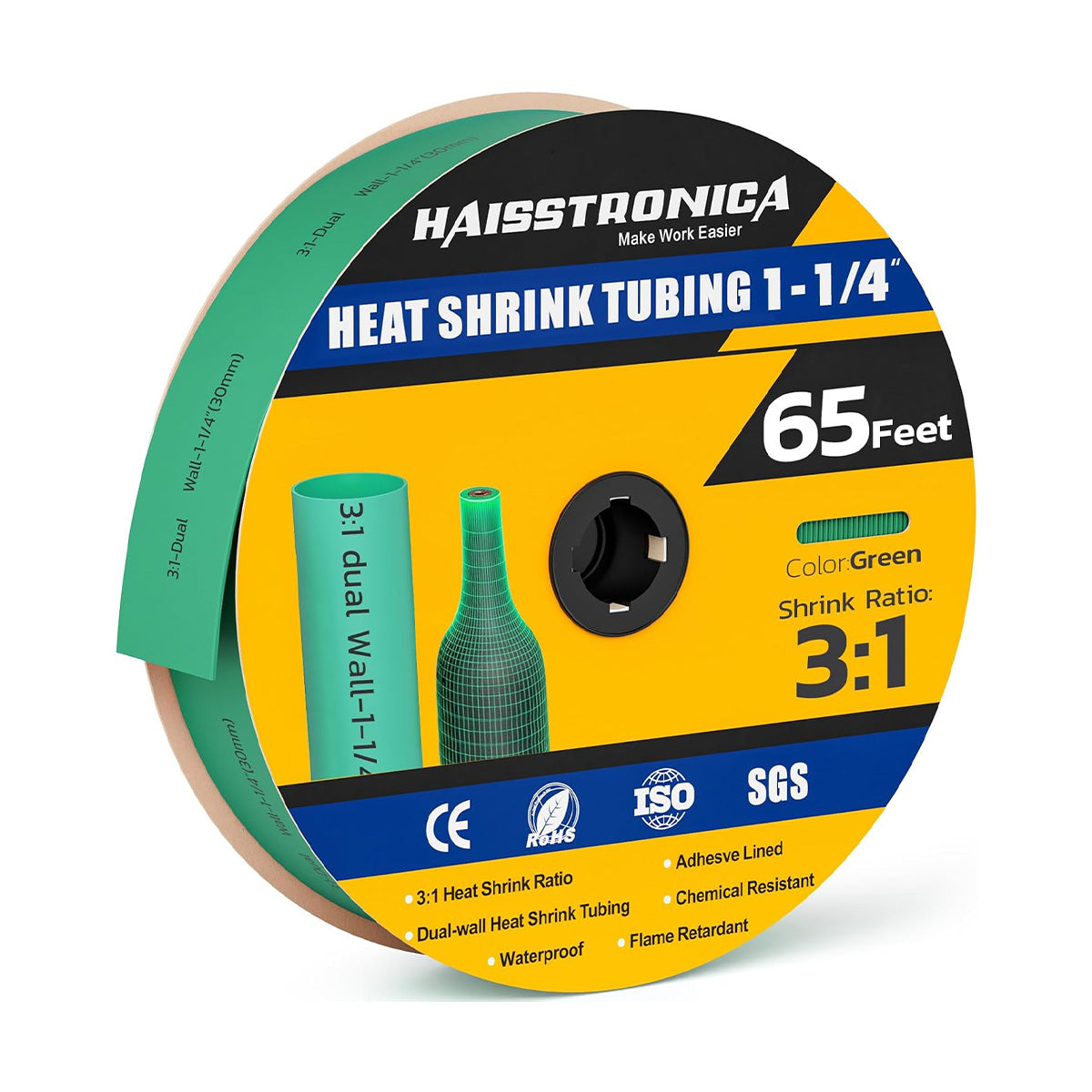
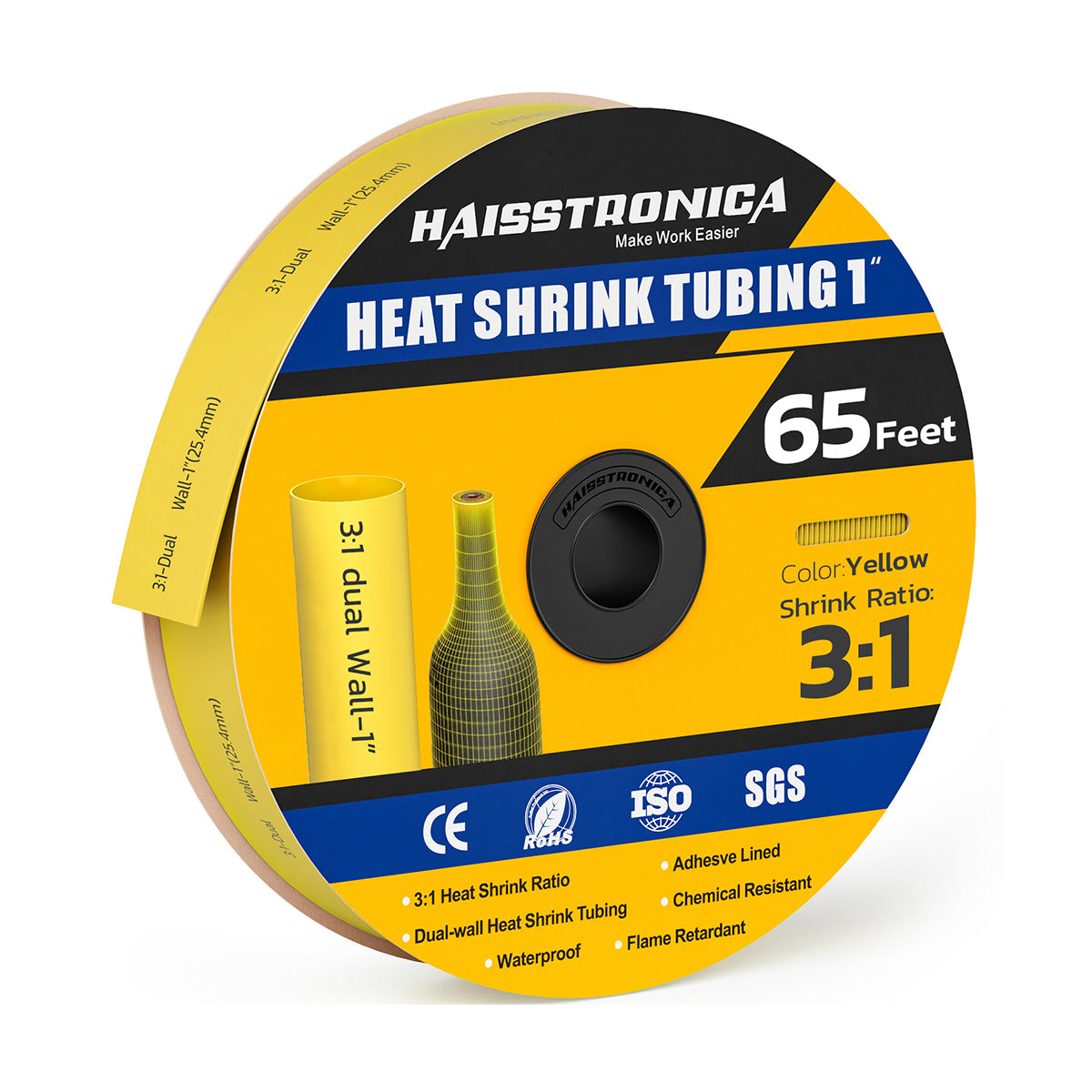
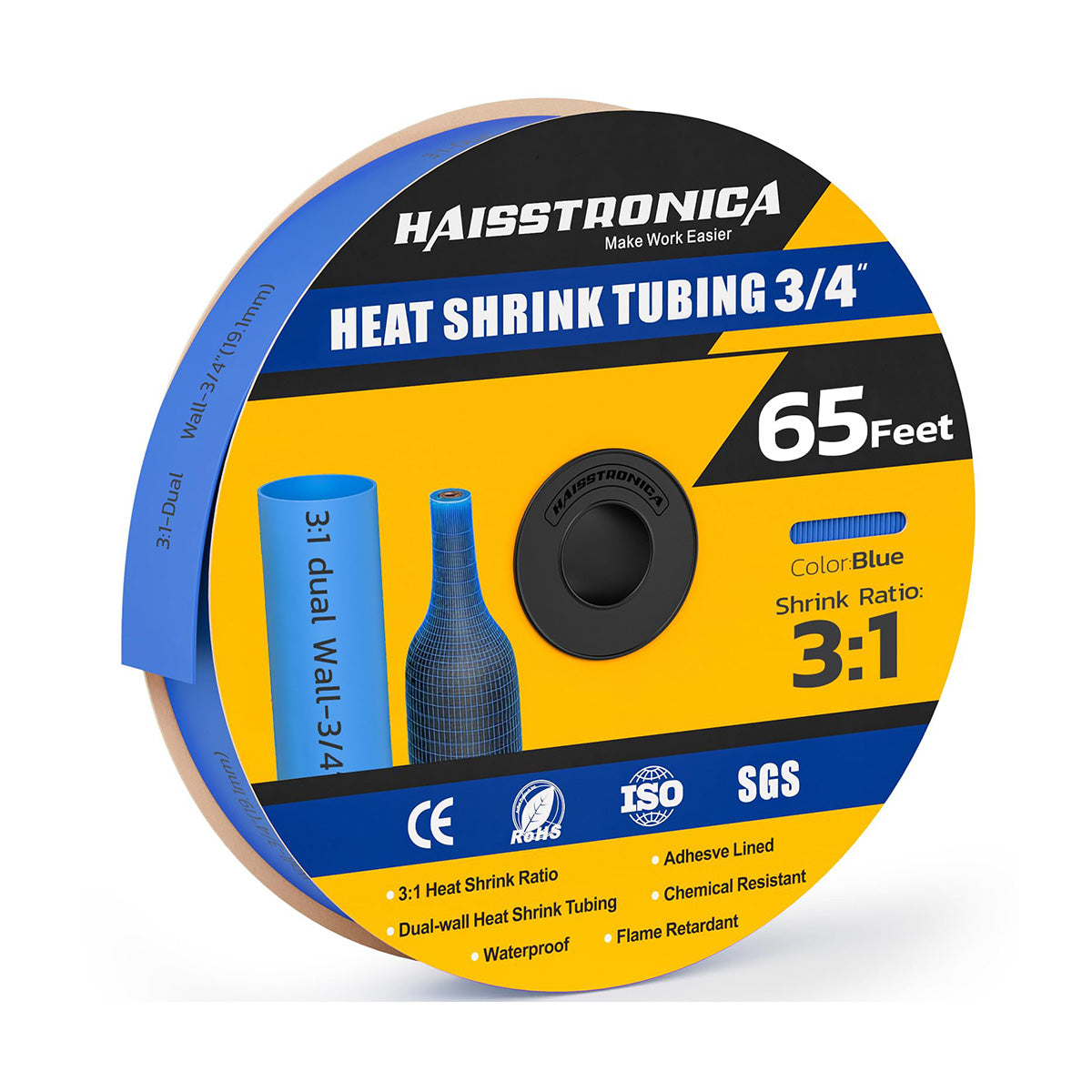
Choose heat shrink when the joint needs durable insulation, strain relief, abrasion resistance, or protection from moisture and contaminants. For marine, automotive, outdoor, and equipment wiring, adhesive-lined tubing is usually the stronger long-term choice.
Permanent Protection Path
Match the Tubing to the Environment
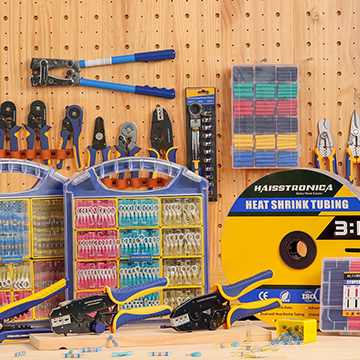
Compare tubing by shrink ratio, recovered diameter, adhesive lining, color, and required length before choosing a specific size.
Explore Heat Shrink Tubing →Why 3:1 Shrink Ratio Is a Practical All-Round Choice
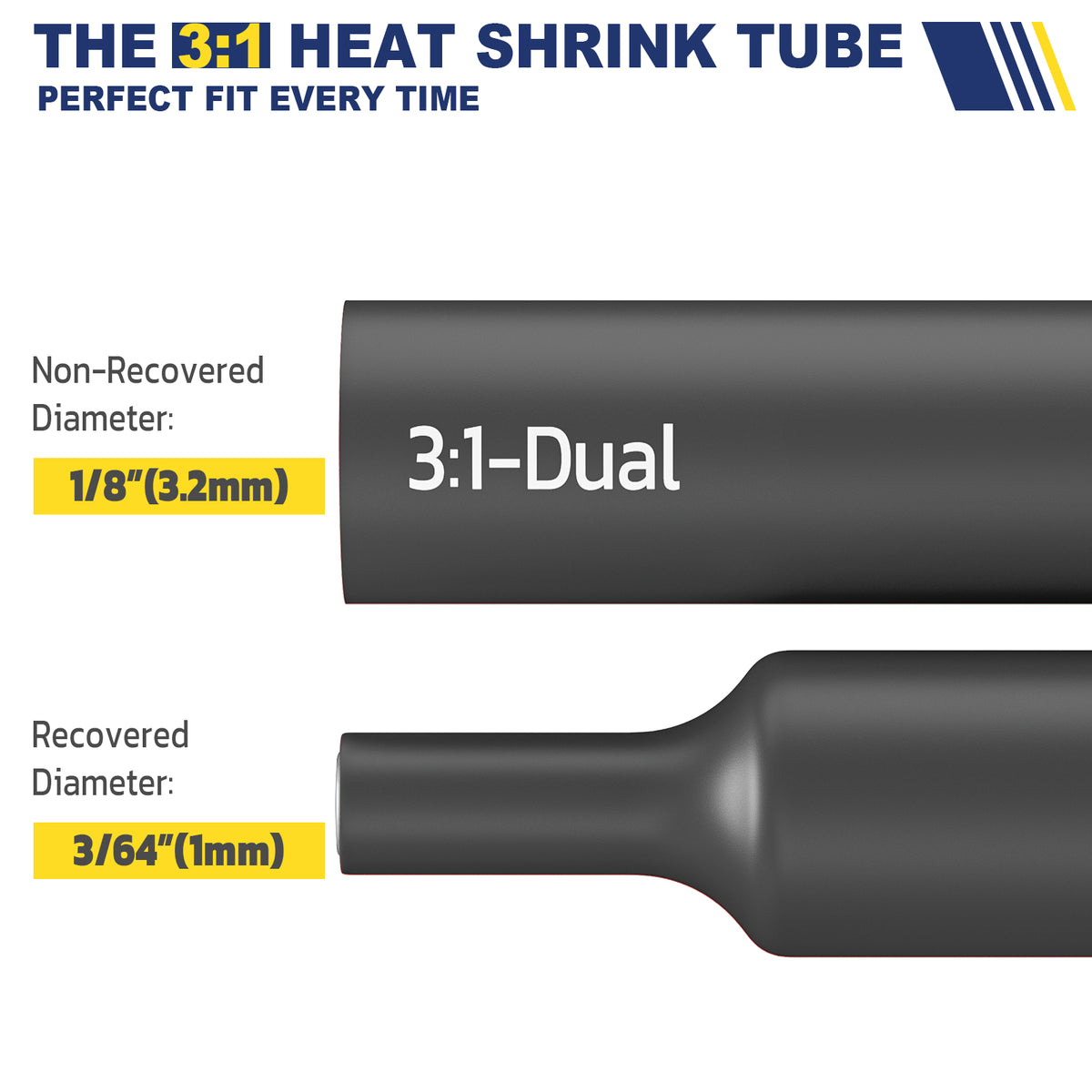
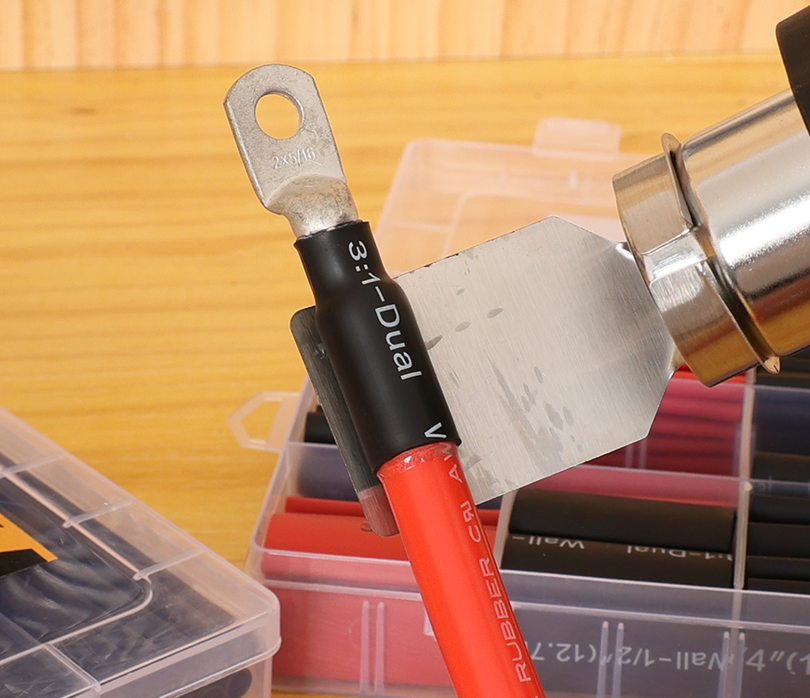
A 3:1 tube can shrink to roughly one-third of its supplied diameter. That wider recovery range helps the tube slide over a connector or splice and still tighten around the smaller cable insulation.
Step 1
Measure the Largest Point
The supplied diameter must fit over the connector, terminal, or splice before heating.
Step 2
Check the Recovered Size
After shrinking, the tube must become smaller than the cable insulation to grip and seal correctly.
Step 3
Allow for Length Change
Cut the tubing slightly longer than the protected area because some tubing shortens during recovery.
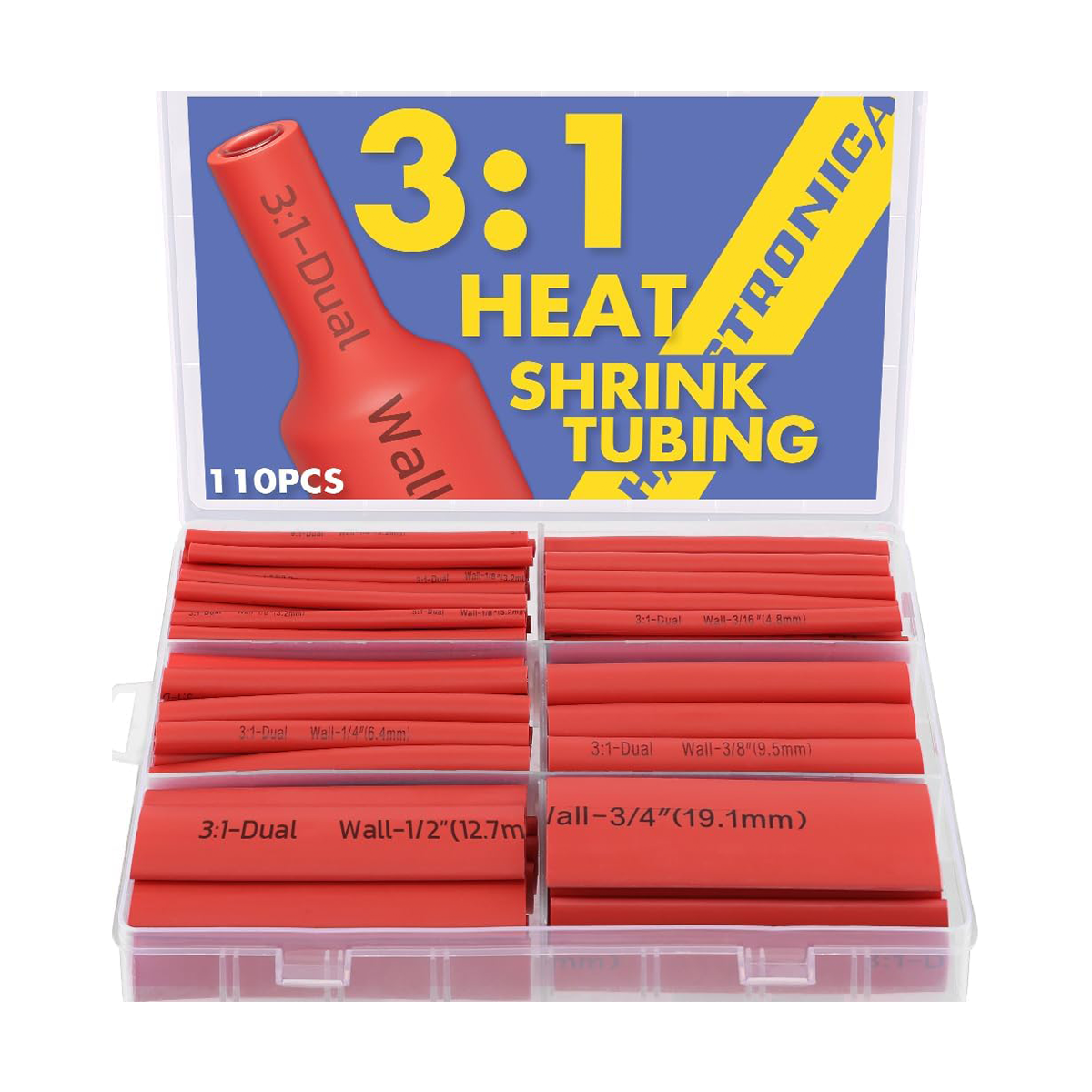
Need Multiple Sizes?
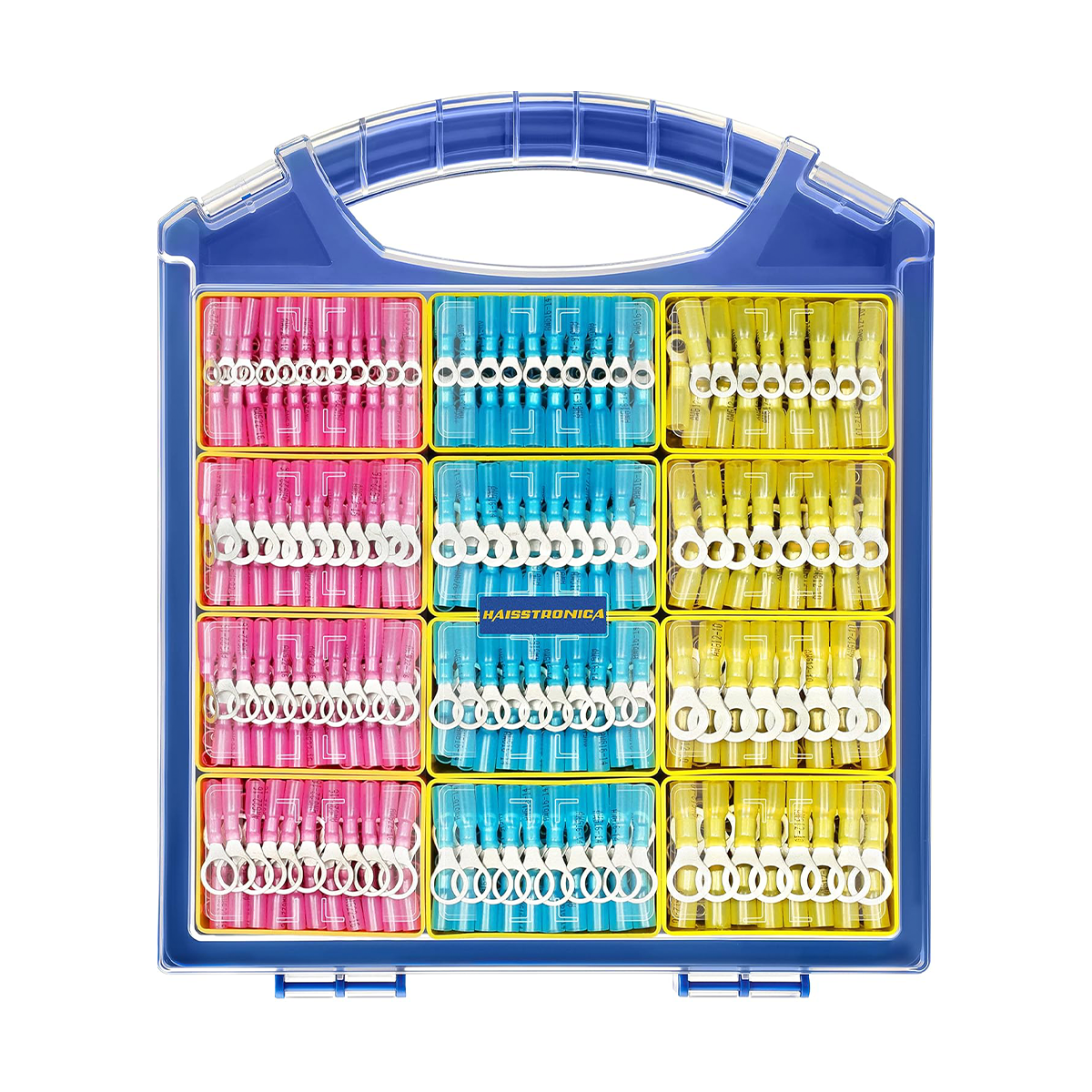
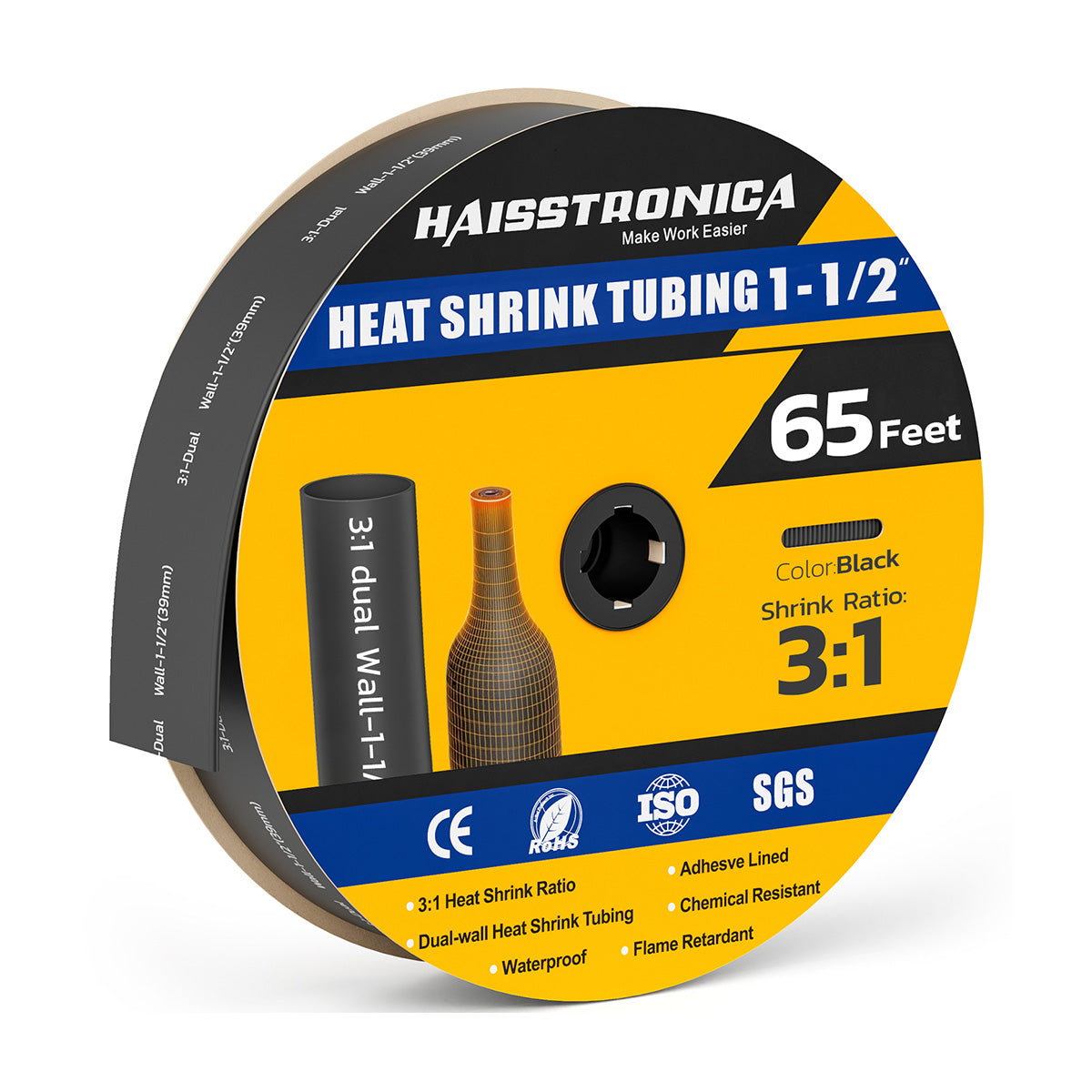
110 PCS Heat Shrink Tubing Kit — 3:1 Ratio
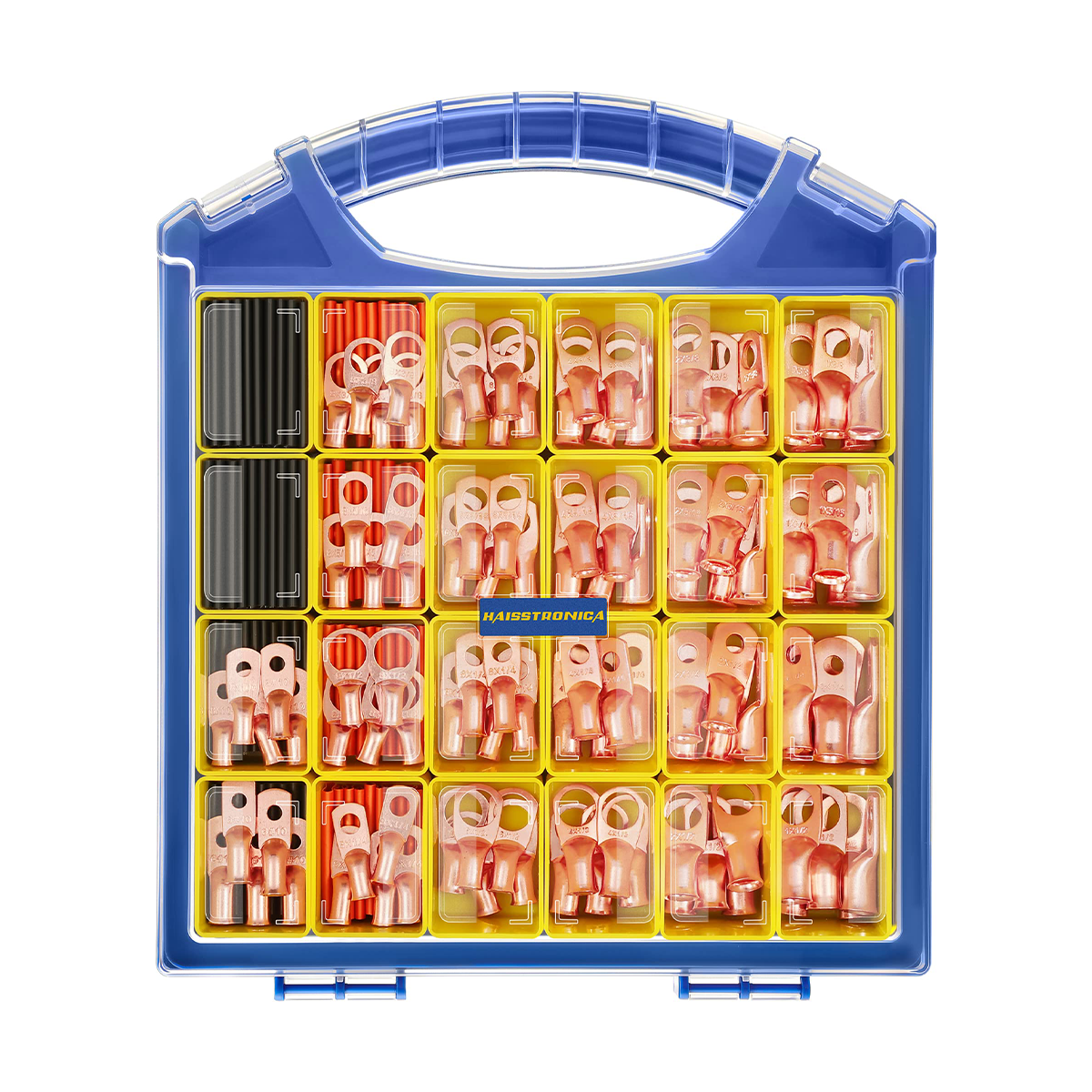
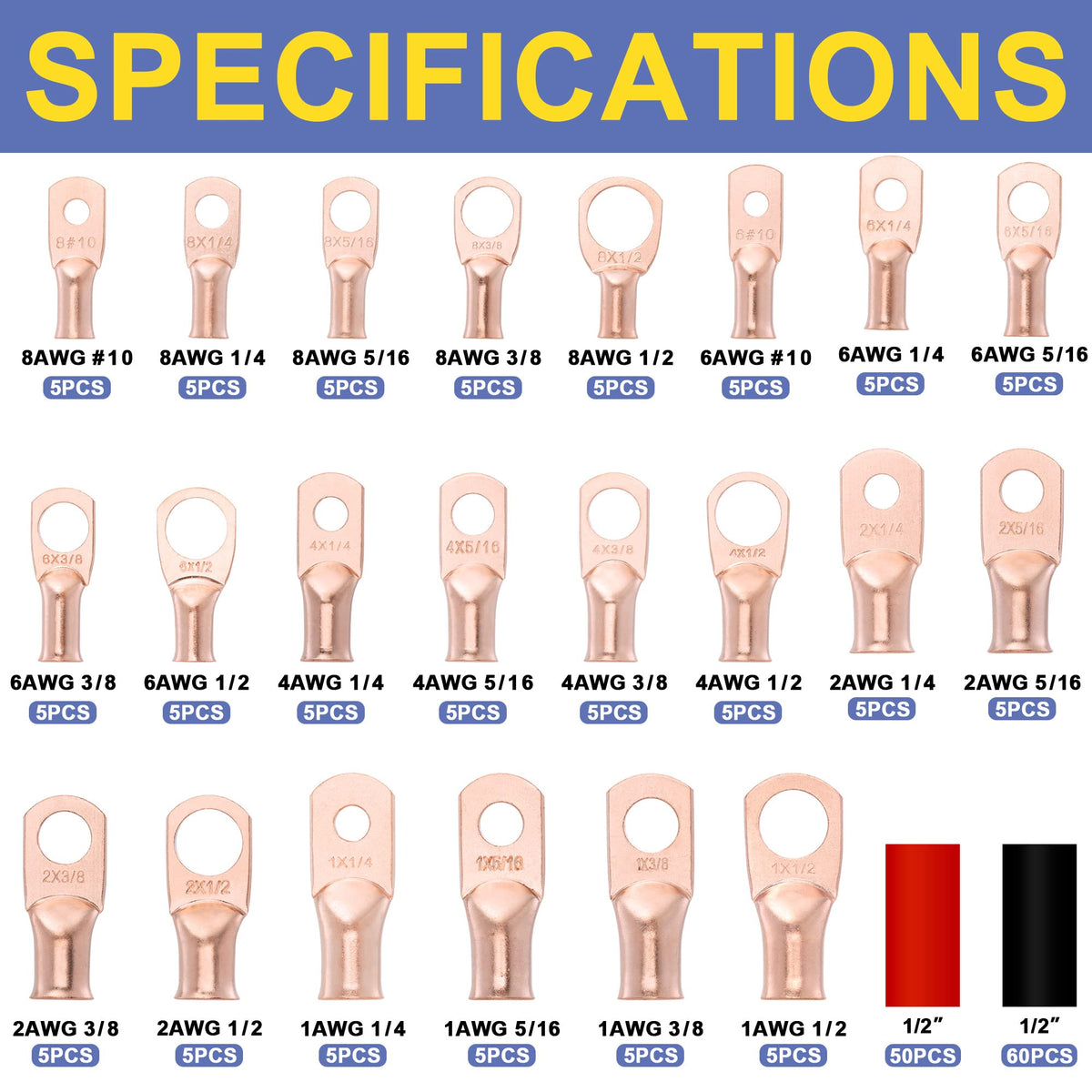
An assorted-size kit is useful when the connector diameter and cable size vary across automotive, marine, workshop, or DIY repairs.
Check Sizes and Specifications →How to Install Heat Shrink Tubing Correctly
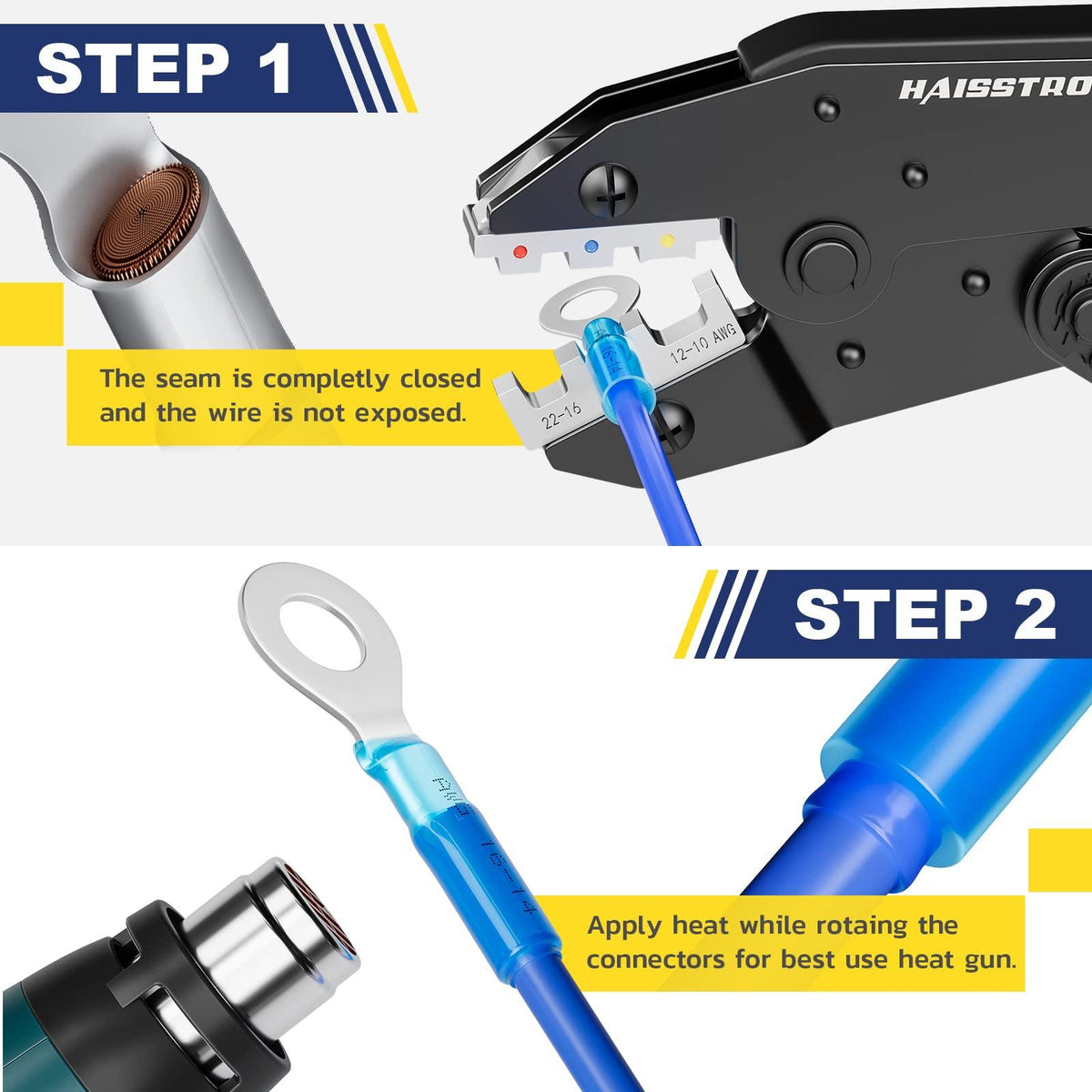
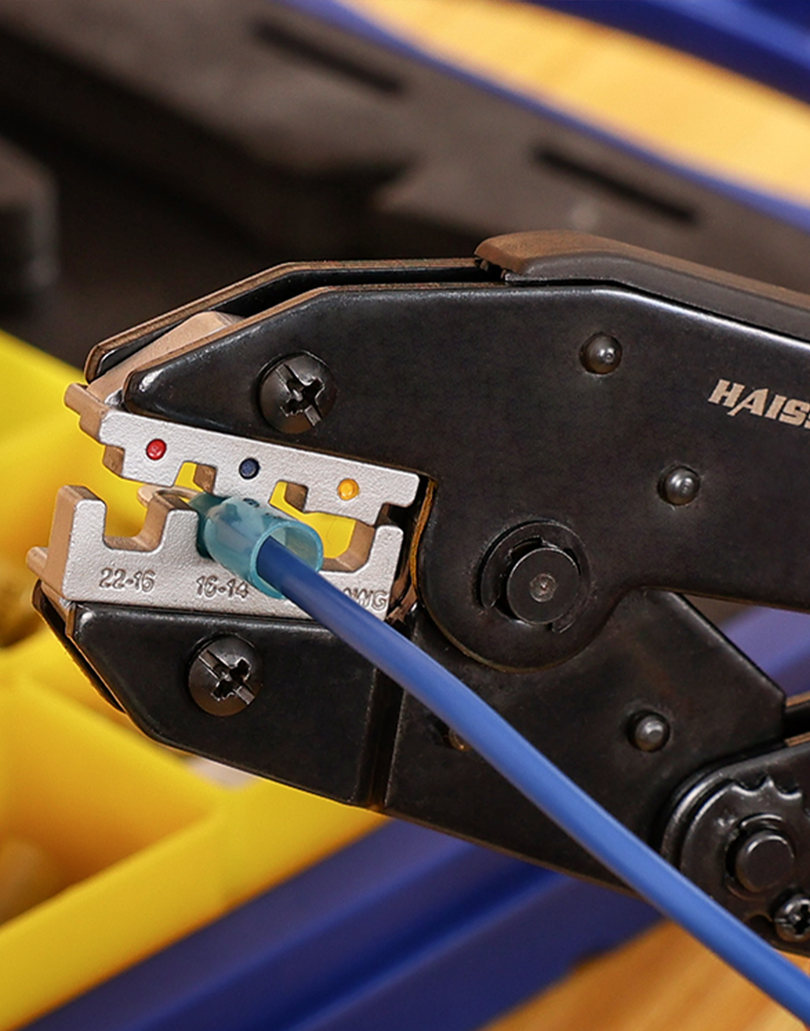
- Disconnect power and slide the unshrunk tubing onto the wire before completing the splice or terminal connection.
- Center the tubing over the repair with enough overlap on both sides.
- Apply controlled heat from the center outward while continuously moving the heat source around the tubing.
- Stop when fully recovered. The tubing should be smooth and tight, without scorching, bubbles, or exposed gaps.
- Let it cool before bending, pulling, or energizing the connection.
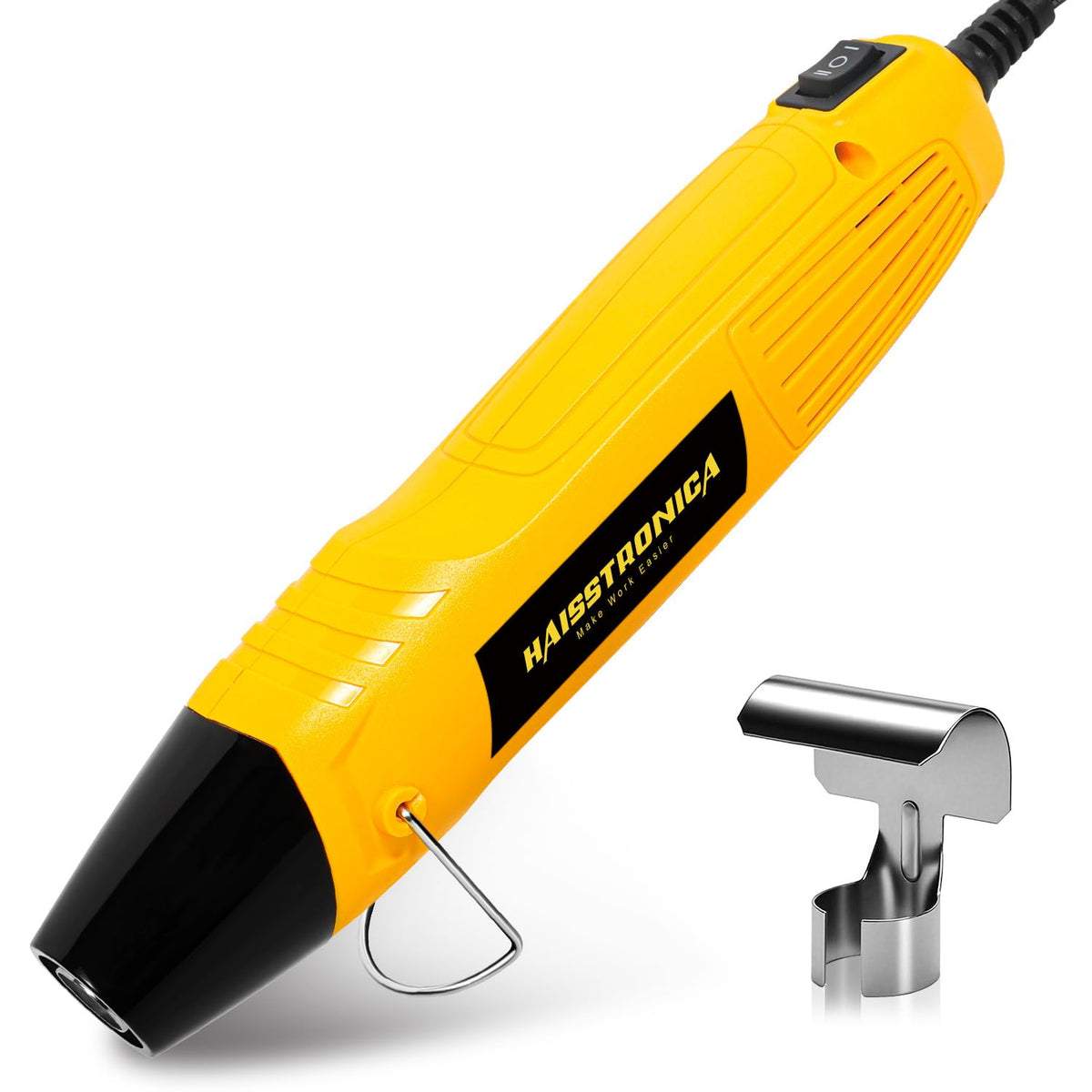
For the Installation Step
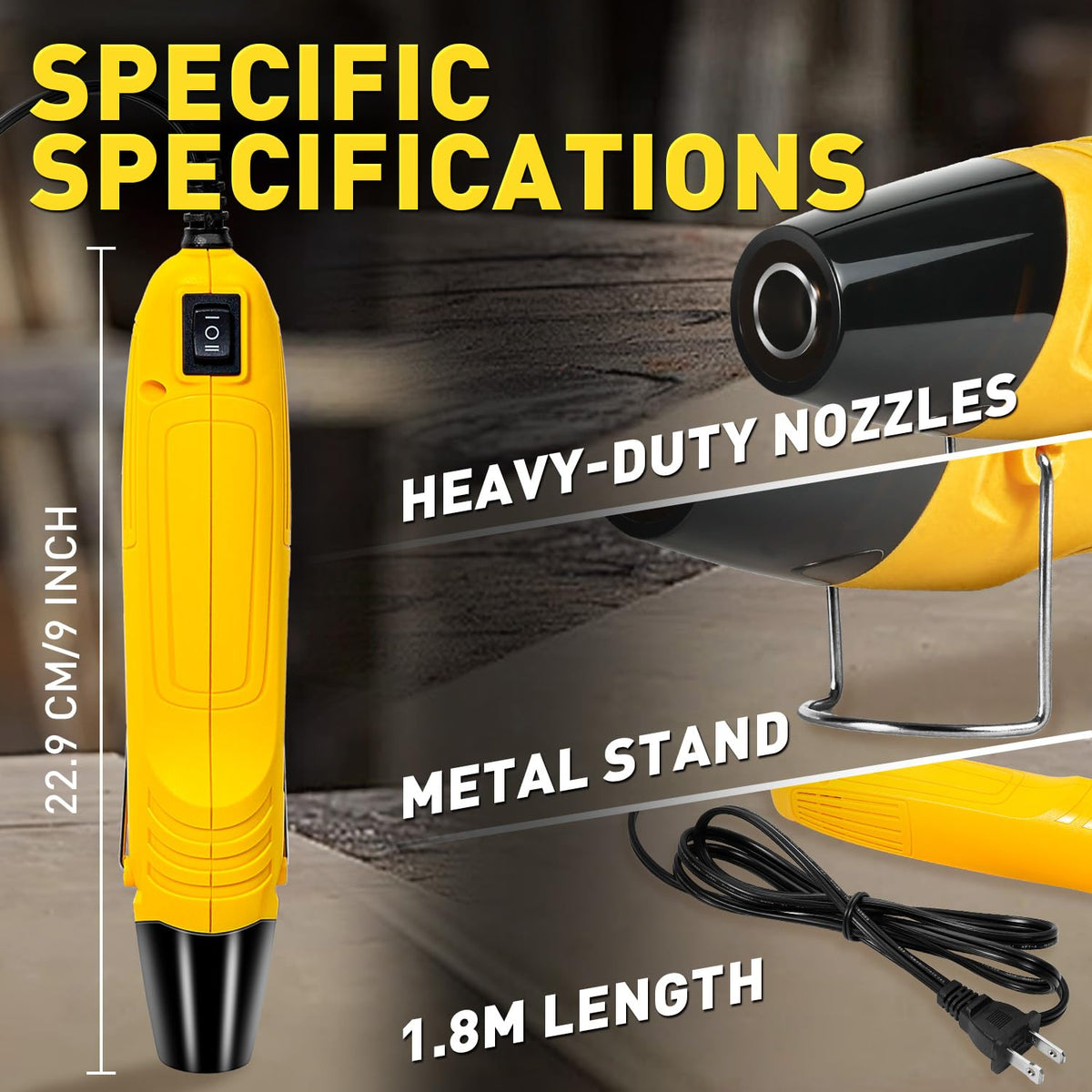
Use Controlled, Even Heat
A compact heat gun provides more controlled heating than an open flame, helping the tube recover evenly without burning the insulation.
View the Mini Heat Gun →Heat Shrink vs. Tape: Key Trade-Offs
| Factor | Heat Shrink Tubing | Electrical Tape |
|---|---|---|
| Best role | Permanent protection | Temporary or removable work |
| Moisture protection | Strong with adhesive-lined tubing | Limited; wrap quality degrades |
| Strain relief | Good when correctly sized | Minimal |
| Rework | Must be cut off | Easy to remove and replace |
Frequently Asked Questions
Can electrical tape make a waterproof repair?
Do not treat a normal tape wrap as a permanent waterproof seal. Water can migrate through gaps, and adhesive performance changes with heat, dirt, and age.
Can I shrink tubing with a lighter?
An open flame creates concentrated heat and can scorch tubing or wire insulation. Controlled hot air is safer and produces a more even recovery.
Should heat shrink go over electrical tape?
Usually no. Tape underneath can soften, create an uneven surface, and interfere with adhesive-lined tubing. Build the connection correctly and shrink the proper tube directly over it.
Final Decision
Choose electrical tape for temporary, accessible, and removable work. Choose heat shrink tubing for permanent connections and any environment involving moisture, abrasion, vibration, chemicals, or long service life.